


Why Node.js developers are choosing VPS hosting in 2026 is closely connected to the growing demand for better performance, control, scalability, and predictable hosting costs. Node.js has become a popular choice for building APIs, SaaS applications, real-time platforms, dashboards, eCommerce systems, and other web applications that need fast server-side performance.
As these applications become more complex, developers often outgrow the limitations of shared hosting. VPS hosting provides a dedicated virtual environment where developers can configure the server, install the required Node.js version, manage resources, and optimize applications according to their needs.
For developers who want more control without paying for an entire dedicated server, VPS hosting offers a practical middle ground.
Table of Contents
Why Node.js Developers Are Choosing VPS Hosting?
One of the biggest reasons developers are moving toward VPS hosting is control. Shared hosting places many websites on the same physical server, which can make resource usage unpredictable. A VPS provides allocated resources within an isolated virtual environment.
This makes it easier to configure the server specifically for Node.js applications. Developers can install Node.js, npm packages, process managers, databases, reverse proxies, SSL certificates, and other software without depending heavily on a hosting provider’s control panel.
A VPS also gives developers greater freedom when choosing how applications are deployed and maintained.
Better Performance for Node.js Applications
Performance is one of the most important considerations when hosting modern web applications. Node.js applications can handle many simultaneous connections efficiently, but server performance still depends on CPU, RAM, storage, network speed, and server configuration.
With VPS hosting, developers receive dedicated virtual resources rather than competing directly with unrelated websites for every available resource.
This can make a significant difference for applications experiencing increasing traffic.
For example, an API receiving thousands of requests can benefit from sufficient RAM and CPU resources. Developers can also optimize caching, database connections, compression, and application processes according to the application’s requirements.
This level of optimization is one reason Node.js VPS hosting is becoming increasingly attractive for production applications.
Full Server-Level Control
Another major advantage of VPS hosting is root or administrative access.
Developers can install software, modify server configurations, create deployment environments, configure firewalls, manage users, and choose the tools they prefer. This is particularly useful for developers who are comfortable working with Linux servers and command-line tools.
Node.js applications often require more than simply uploading files. Developers may need to configure environment variables, process managers such as PM2, Nginx, databases, SSL, Git deployments, and monitoring tools.
A VPS makes it possible to control these components from a single server environment.
Easy Node.js Deployment and Version Management
Node.js applications can require specific runtime versions depending on the framework, dependencies, or project requirements.
Shared hosting environments may not always provide the flexibility needed to install or switch between Node.js versions. VPS hosting gives developers much greater control over the runtime environment.
Developers can install the required Node.js version, use version managers, configure npm, and create environments that match local development setups more closely.
This can reduce compatibility problems when moving applications from development to production.
For teams managing multiple Node.js applications, this flexibility can be particularly useful.
Node.js VPS Hosting Offers Greater Scalability
Applications rarely remain at the same traffic level forever. A small application may initially require only limited resources but could need additional CPU or RAM after gaining users.
Node.js VPS hosting makes it easier to scale resources as application requirements increase.
Depending on the provider, developers can upgrade CPU, RAM, storage, or bandwidth without completely rebuilding the application architecture. This provides a more flexible path for growing websites, SaaS platforms, APIs, and online services.
VPS hosting can therefore work well for projects that are somewhere between small development applications and large enterprise platforms.
Predictable Hosting Costs
Cost is another important factor in hosting decisions.
Dedicated servers can provide substantial resources, but they may be unnecessarily expensive for smaller applications. Shared hosting is cheaper but can lack the control and performance needed for production Node.js projects.
A VPS sits between these options.
Developers can select a VPS plan based on their application’s resource requirements and upgrade when necessary. This creates a more predictable hosting model, especially for startups and small development teams that need to manage infrastructure costs carefully.
Instead of paying for an entire physical server, developers pay for a virtual server with a defined resource allocation.
Better Environment for APIs and Real-Time Applications
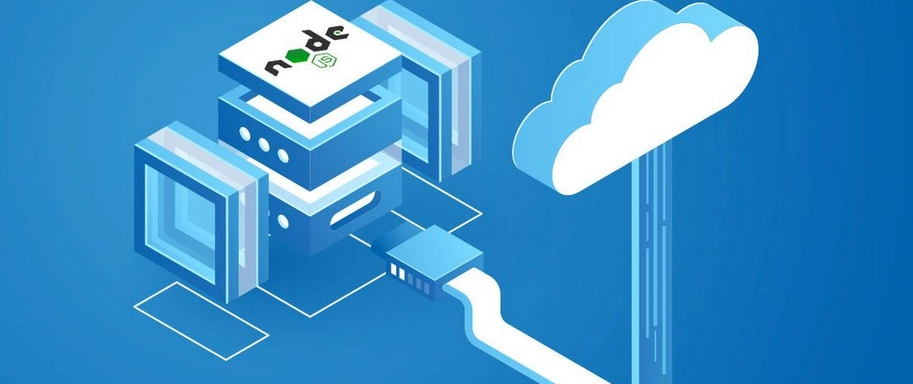
Node.js is widely used for APIs, chat applications, dashboards, collaboration platforms, notification systems, and other applications that handle frequent requests.
These workloads can benefit from a VPS because developers can configure the server specifically for the application’s behavior.
For example, a developer can optimize Nginx as a reverse proxy, configure Node.js processes, enable WebSocket support, and implement caching or load-balancing strategies when required.
Having control over the server environment can make troubleshooting and optimization easier compared with restricted hosting environments.
Improved Security and Server Configuration
Security is another reason developers prefer VPS environments.
A VPS does not automatically make an application secure, but it gives developers more control over security configurations. Developers can configure firewalls, SSH access, user permissions, automatic updates, SSL certificates, intrusion monitoring, and other security measures.
Applications can also be isolated from unrelated websites hosted on the same server.
However, VPS security requires responsibility. Developers need to keep operating systems and packages updated, use strong authentication, limit unnecessary ports, and monitor server activity.
The additional control provided by VPS hosting comes with additional management responsibilities.
Better Tools for Modern Development Workflows
Modern development increasingly depends on automation and deployment tools. Git, Docker, CI/CD pipelines, monitoring systems, reverse proxies, databases, and process managers can all be part of a Node.js deployment workflow.
VPS hosting provides the flexibility to install and configure these tools.
Developers can connect their VPS to a Git repository and create automated deployment workflows. They can also configure staging environments, application logs, monitoring tools, and scheduled tasks.
This makes a VPS more than just a place to host a website. It can become a complete application server environment.
VPS for Node.js vs Shared Hosting
The difference becomes particularly clear when comparing a VPS for Node.js with traditional shared hosting.
Shared hosting is designed to make website hosting simple. It can work well for basic websites, blogs, and smaller projects that do not require extensive server configuration.
A VPS is better suited to developers who need control over the operating system, runtime environment, applications, and server configuration.
With a VPS, developers can decide how their Node.js application is deployed and optimized. They also have more control over resource usage and server-level settings.
For simple websites, shared hosting may still be sufficient. For custom Node.js applications, APIs, and SaaS platforms, a VPS is often a more suitable option.
What to Look for in a Node.js VPS
Choosing the right VPS requires more than looking at the monthly price.
Developers should consider CPU performance, RAM, SSD or NVMe storage, bandwidth, server locations, network performance, backup options, security features, and scalability.
The operating system and available management tools are also important.
Another consideration is whether the VPS is managed or unmanaged. Managed VPS hosting can be useful for developers who want assistance with server administration, while unmanaged VPS hosting provides greater control and is generally better suited to developers comfortable managing Linux servers themselves.
Technical support quality should also be considered, particularly when the application is being used in production.
Is VPS Hosting the Right Choice for Every Node.js Developer?
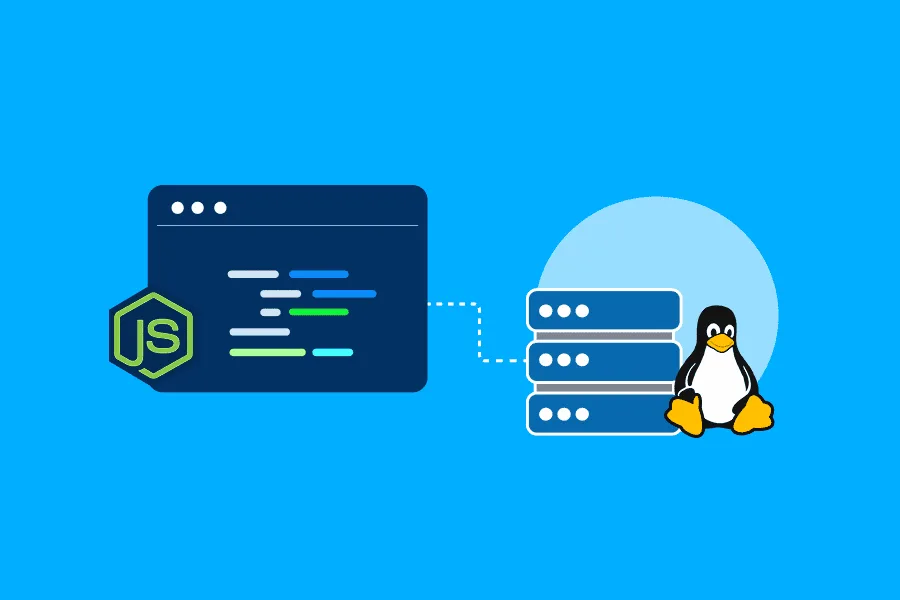
Not necessarily.
Beginners who are building small projects may find shared hosting or managed application platforms easier to use. VPS hosting requires some knowledge of Linux, networking, security, and server administration.
However, developers who need greater control, predictable resources, custom configurations, and production-ready infrastructure may find VPS hosting more suitable.
As Node.js applications grow, moving to a VPS can provide a useful balance between affordability and control.
The Future of Node.js VPS Hosting
The relationship between Node.js and VPS hosting is likely to remain strong as developers continue building more dynamic applications.
Cloud infrastructure, containers, automated deployments, AI-powered development tools, and scalable architectures are changing how applications are created and deployed. VPS platforms can serve as an affordable infrastructure layer for developers who want many of these capabilities without immediately moving to complex enterprise cloud architectures.
For startups, freelancers, agencies, and small development teams, VPS hosting can provide the infrastructure flexibility needed to launch and grow applications.
Conclusion
Why Node.js developers are choosing VPS hosting in 2026 ultimately comes down to flexibility, performance, control, and scalability.
A VPS gives developers the ability to configure their own server environment, manage Node.js versions, deploy applications using modern tools, allocate resources more predictably, and optimize infrastructure as traffic grows.
While VPS hosting requires more technical knowledge than shared hosting, the additional control can make it a strong choice for production Node.js applications.
For developers building APIs, SaaS platforms, real-time applications, dashboards, and other custom projects, Node.js VPS hosting provides a practical infrastructure option that can grow alongside the application.
FAQs
1. Why are Node.js developers choosing VPS hosting?
Node.js developers are choosing VPS hosting because it provides better control, dedicated virtual resources, flexible server configuration, and easier customization for production applications.
2. Is VPS hosting good for Node.js applications?
Yes. A VPS can be well suited to Node.js applications because developers can control the Node.js environment, server configuration, resources, security settings, and deployment process.
3. What is the difference between Node.js VPS hosting and shared hosting?
Node.js VPS hosting provides an isolated virtual server with greater control over resources and configurations. Shared hosting is easier to manage but generally provides less server-level control.
4. What should developers consider when choosing a VPS for Node.js?
Developers should consider CPU, RAM, storage type, bandwidth, server location, scalability, backups, security, technical support, and whether the VPS is managed or unmanaged.
