



How to Choose Cloud Hosting for a Startup is an important question for founders building websites, SaaS products, mobile backends, ecommerce platforms, and other digital businesses. The right cloud hosting solution can provide the performance, flexibility, security, and scalability a startup needs without creating unnecessary infrastructure expenses.
Startups often begin with limited resources and unpredictable traffic. As the business grows, however, application requirements can change quickly. A hosting solution that works for a small website may eventually struggle with thousands of users, larger databases, or sudden traffic spikes.
Choosing cloud hosting therefore requires looking beyond the cheapest monthly plan. Startups should evaluate performance, scalability, pricing, security, server locations, technical support, and management requirements before making a decision.
Table of Contents
How to Choose Cloud Hosting for a Startup?

The best approach to choosing cloud infrastructure is to start with the startup’s actual requirements. Consider the type of application being hosted, expected traffic, database requirements, technical expertise, budget, and future growth.
The best cloud hosting for startups should provide enough resources for current workloads while making it easy to increase capacity as the business grows.
Here are the most important factors to evaluate.
1. Understand Your Hosting Requirements
Before comparing providers, identify what the application actually needs.
A simple business website may require relatively little CPU, RAM, and storage. A SaaS application or ecommerce platform may require significantly more computing resources and database capacity.
Consider:
- Expected monthly visitors
- CPU requirements
- RAM requirements
- Storage capacity
- Database size
- Bandwidth
- Operating system
- Programming language and framework
- Expected traffic growth
Having these requirements ready makes it easier to compare different cloud hosting solutions for startups.
2. Evaluate Performance
Performance directly affects user experience. Slow-loading websites and applications can frustrate users and create problems for growing businesses.
When evaluating a cloud hosting provider, look at processor performance, RAM, SSD or NVMe storage, network capacity, and server infrastructure.
The provider should offer configurations that match the application’s requirements.
Startups should also avoid paying for excessive resources. An oversized server can increase costs without providing meaningful benefits if the application uses only a fraction of its available capacity.
3. Check Scalability
Scalability is one of the biggest reasons startups choose cloud hosting.
A startup may have only a few hundred users initially but could grow significantly after a successful marketing campaign or product launch.
Cloud infrastructure should make it possible to increase CPU, RAM, storage, or other resources when required.
Some platforms also provide autoscaling, load balancing, containers, and serverless services. These features can help applications respond to changing demand.
The best cloud hosting for startups should provide a clear path from a small initial deployment to a larger infrastructure setup.
4. Compare Pricing Carefully
Pricing should not be based only on the cheapest advertised plan.
Cloud providers can charge separately for computing, storage, bandwidth, databases, backups, snapshots, IP addresses, and other services.
Startups should calculate the estimated total monthly cost based on their actual requirements.
For example, a low-cost virtual server may appear inexpensive, but additional storage and backup requirements could increase the final bill.
It is also important to understand whether pricing is hourly, monthly, usage-based, or commitment-based.
5. Consider Managed vs Unmanaged Hosting
Technical expertise should influence the choice of cloud hosting.
With unmanaged cloud servers, the startup is generally responsible for server configuration, operating system updates, security, backups, monitoring, and maintenance.
Managed cloud hosting can reduce this workload by providing assistance with server administration and maintenance.
A startup with experienced developers or DevOps engineers may prefer the control offered by unmanaged infrastructure. A small team without infrastructure specialists may prefer a managed solution.
6. Look at Server Locations
Server location can affect latency and application performance.
If most customers are located in India, for example, having infrastructure in a nearby region can reduce network latency compared with hosting the application on a distant continent.
Startups targeting customers across multiple countries may benefit from providers with data centers in several geographic regions.
Before choosing a provider, check whether it has data centers near the startup’s primary customer base.
7. Review Security Features
Security should be considered from the beginning rather than after the startup experiences a security incident.
Cloud providers can offer features such as firewalls, DDoS protection, encryption, identity management, access controls, monitoring, and security alerts.
However, choosing a secure provider does not automatically make an application secure.
Startups still need to configure permissions correctly, protect credentials, use strong authentication, update software, maintain backups, and monitor suspicious activity.
8. Check Reliability and Uptime

Downtime can directly affect revenue and customer trust.
Startups should examine the provider’s infrastructure design, uptime commitments, availability zones, backup options, and disaster recovery capabilities.
For mission-critical applications, relying on a single server can create a potential point of failure. Additional redundancy may be necessary as the business grows.
The required level of reliability depends on the application. A personal blog and a payment-related SaaS platform may have very different uptime requirements.
9. Evaluate Customer Support
Technical support can be particularly important for startups with small teams.
Before choosing a provider, check the available support channels, documentation, knowledge bases, community resources, and support response options.
Some cloud providers offer basic support while additional technical assistance may require a paid support plan.
Startups should determine how much external support they may need before selecting a provider.
10. Check Developer Tools and Integrations
Developers should consider whether the hosting platform works well with their existing technology stack.
Important integrations can include Git repositories, deployment tools, Docker, Kubernetes, databases, monitoring systems, APIs, CI/CD platforms, and server management tools.
For example, a startup building a Node.js application may want straightforward Node.js deployment options, while a Python startup may prioritize compatible application servers and database services.
The easier it is to integrate existing development workflows, the less time the team may spend managing infrastructure.
11. Consider Backup and Recovery Options
Data loss can be extremely damaging to a startup.
A cloud hosting provider should offer practical options for backups, snapshots, and data recovery. Startups should understand how frequently backups can be created, how long they are retained, and how restoration works.
Important application data should not rely on a single copy.
Businesses should also test their recovery process periodically. A backup is only useful if the business can successfully restore the data when necessary.
12. Think About Future Growth
A startup should not select infrastructure based only on today’s requirements.
The company may add customers, features, databases, APIs, employees, and geographic markets over time.
The chosen provider should have enough services and infrastructure options to support these changes.
Moving to a different provider later is possible, but migration can require significant development and testing. Choosing flexible cloud hosting solutions for startups from the beginning can make future expansion easier.
Popular Cloud Hosting Options for Startups
Startups can choose from many cloud infrastructure providers.
AWS, Microsoft Azure, and Google Cloud offer extensive ecosystems with computing, storage, databases, networking, AI, containers, and other services.
DigitalOcean, Vultr, Hetzner, and similar providers can provide simpler virtual server environments that may be attractive to smaller development teams.
Traditional hosting companies also offer cloud hosting plans designed for websites and online businesses.
The appropriate choice depends on the startup’s technical requirements rather than simply the provider’s size or popularity.
Common Mistakes Startups Should Avoid
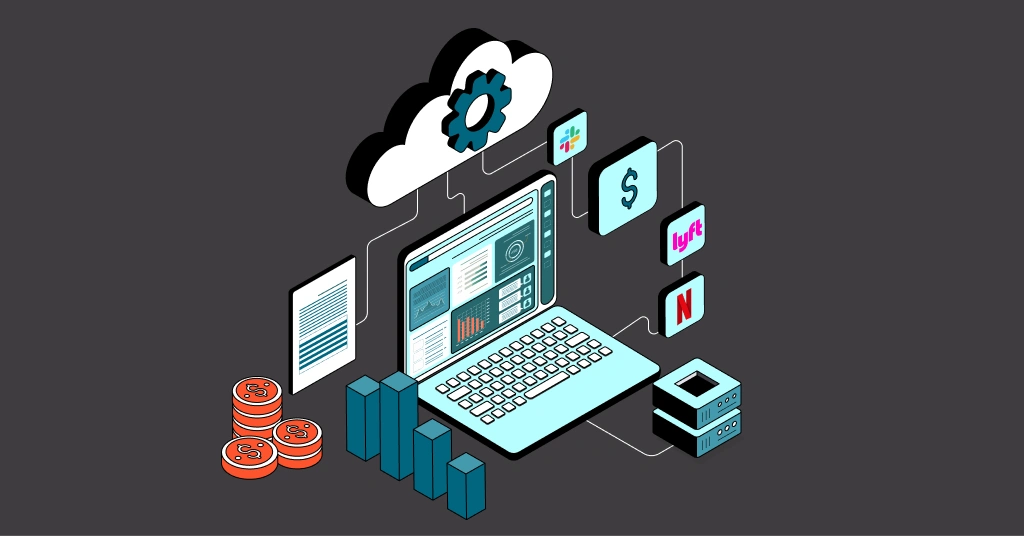
One common mistake is choosing infrastructure based solely on price.
Another is purchasing significantly more resources than the application currently requires. Overprovisioning can increase expenses without improving performance.
Startups should also avoid ignoring backups, security, monitoring, and scalability.
Finally, businesses should regularly review their infrastructure. As applications evolve, the original hosting configuration may no longer be the most efficient option.
Final Thoughts
Knowing how to choose cloud hosting for a startup becomes easier when the decision is based on actual business and technical requirements.
Startups should evaluate performance, scalability, pricing, security, server locations, support, developer tools, backups, and future growth before selecting a provider.
The best cloud hosting for startups is not necessarily the cheapest or the largest provider. It is the solution that provides the resources, flexibility, reliability, and management options needed by the specific business.
By comparing providers carefully and monitoring infrastructure as the company grows, startups can build a reliable hosting foundation without unnecessarily increasing their operating costs.
FAQs
1. What should startups look for in cloud hosting?
Startups should consider performance, scalability, pricing, security, server locations, uptime, customer support, backups, developer tools, and future growth requirements.
2. Is cloud hosting suitable for small startups?
Yes. Cloud hosting can be suitable for small startups because they can begin with relatively limited resources and increase capacity as traffic and application requirements grow.
3. How much does cloud hosting cost for a startup?
The cost depends on computing resources, storage, bandwidth, databases, backups, and other services. A small application may require limited infrastructure, while a growing SaaS platform may need considerably more resources.
4. Should a startup choose managed or unmanaged cloud hosting?
It depends on the technical expertise available. Startups with experienced developers or DevOps engineers may prefer unmanaged infrastructure, while smaller teams may benefit from managed hosting and technical assistance.
