



For growing startups, the transition from informal people operations to structured processes is a critical milestone. Juggling recruitment, onboarding, time-off requests, and ensuring everyone gets paid accurately and on time can quickly overwhelm founders. This is where investing in the right HR management and payroll tools becomes not just an operational decision, but a strategic one.
The best solutions for scaling businesses do more than automate paperwork; they streamline core people operations, ensure compliance, and provide insights that help foster a productive culture. This guide explores the essential tools designed to support growing startups as they evolve, highlighting key features and top platforms to consider.
Table of Contents
Why Integrated HR and Payroll is Non-Negotiable for Scaling?
In the early days, spreadsheets and basic accounting software might suffice. However, as headcount increases, manual processes become error-prone, time-consuming, and risky. Disconnected systems mean double data entry, inconsistencies, and frustrated employees who have to navigate multiple portals for pay slips, benefits, or PTO requests.
An integrated Human Resources Information System (HRIS) that combines HR management and payroll tools creates a single source of truth. It eliminates silos, reduces administrative drag, and provides a seamless experience for both managers and employees.
For a growing startup, this integration is crucial for maintaining accuracy, ensuring compliance with tax laws and regulations, and freeing up valuable time for the leadership team to focus on strategic growth.
Key Features to Look for in HR Management and Payroll Tools
When evaluating platforms, growing startups should prioritize scalability, user-friendliness, and a comprehensive feature set that addresses their immediate and near-future needs.
- Core HR and Employee Self-Service: A central, cloud-based employee database is fundamental. Look for tools that offer robust self-service portals where employees can update personal information, access pay stubs and tax documents, request time off, and enroll in benefits. This empowers your team and drastically reduces HR admin queries.
- Automated and Compliant Payroll: The payroll tools must handle complex calculations (taxes, deductions, bonuses) automatically, ensure timely filings and payments, and support multiple states or countries if you have remote teams. Compliance alerts and automated tax updates are vital for mitigating risk.
- Onboarding and Offboarding: A structured digital onboarding workflow makes new hires feel welcomed and productive from day one. The ability to automate offer letters, collect e-signatures, assign tasks, and manage equipment checklists is invaluable. Similarly, streamlined offboarding ensures security and a clear exit process.
- Time Tracking and Integration: For startups with hourly employees or those tracking project time, integration with time-tracking software is essential. This creates a smooth flow from hours worked to wages paid, ensuring accuracy and fairness.
- Reporting and Analytics: Data-driven decisions are key to scaling. Good HR management platforms provide insights into headcount, turnover, compensation trends, and team demographics, helping leaders make informed strategic choices.
- Benefits Administration: As you offer more benefits, a tool that simplifies administration, allows for employee self-enrollment, and integrates with insurance providers saves countless hours during open enrollment periods.
Top HR and Payroll Platforms for Growing Startups
Here are some of the leading platforms known for catering well to the dynamic needs of scaling businesses.
1. Gusto
Gusto is often the go-to recommendation for early-stage growing startups. It excels in combining an intuitive, user-friendly interface with powerful payroll tools and solid core HR features.
Its standout qualities include exceptional automated compliance, easy benefits administration (health insurance, 401(k), etc.), and simple time-tracking integration. Gusto makes running payroll feel effortless and is designed for business owners who aren’t HR experts, making it a perfect foundation for a startup’s people operations.
2. Rippling
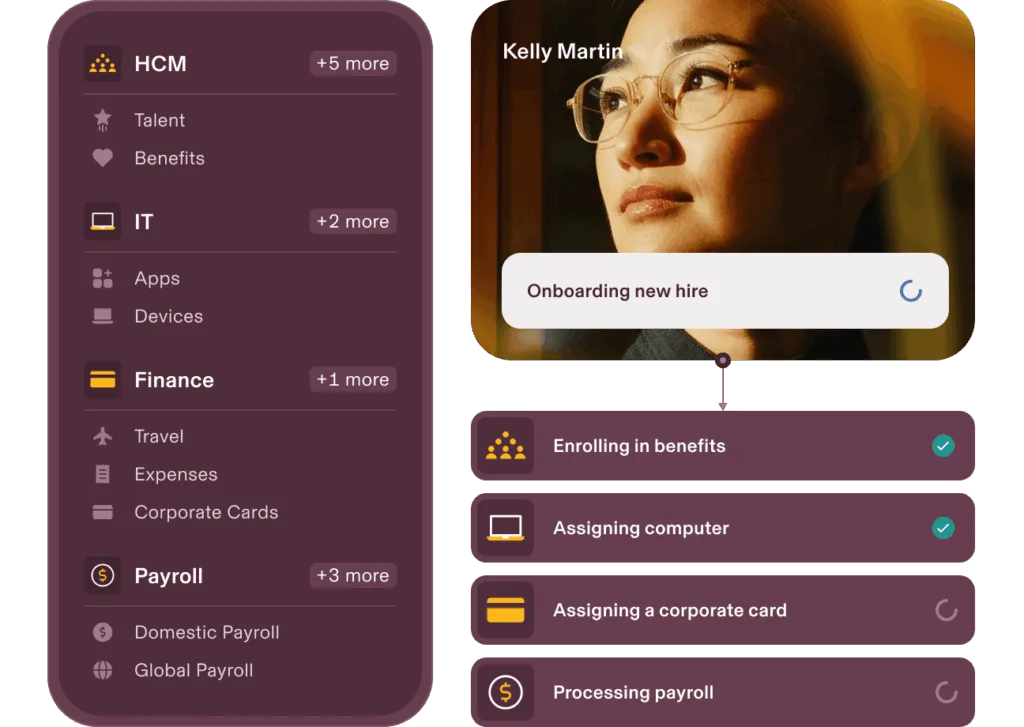
Rippling takes a uniquely powerful approach by unifying not just HR and payroll, but also IT and app management. When you hire an employee in Rippling, you can automatically provision their payroll, email, software apps (like Slack or GSuite), and even order their laptop—all with a single click.
This level of automation is a massive efficiency booster for fast-scaling teams. Its HR management and payroll tools are deeply robust, making it ideal for startups that are expanding rapidly and value a fully automated, integrated tech stack.
3. Deel

For growing startups with an international vision from the outset, Deel is a standout. It specializes in global payroll, compliance, and contractor management. Deel simplifies hiring full-time employees and contractors in over 150 countries by acting as the Employer of Record (EOR), handling local laws, taxes, and benefits.
Its payroll tools for domestic US teams are also strong, but its superpower is enabling startups to build a global team without setting up legal entities in every country.
4. BambooHR
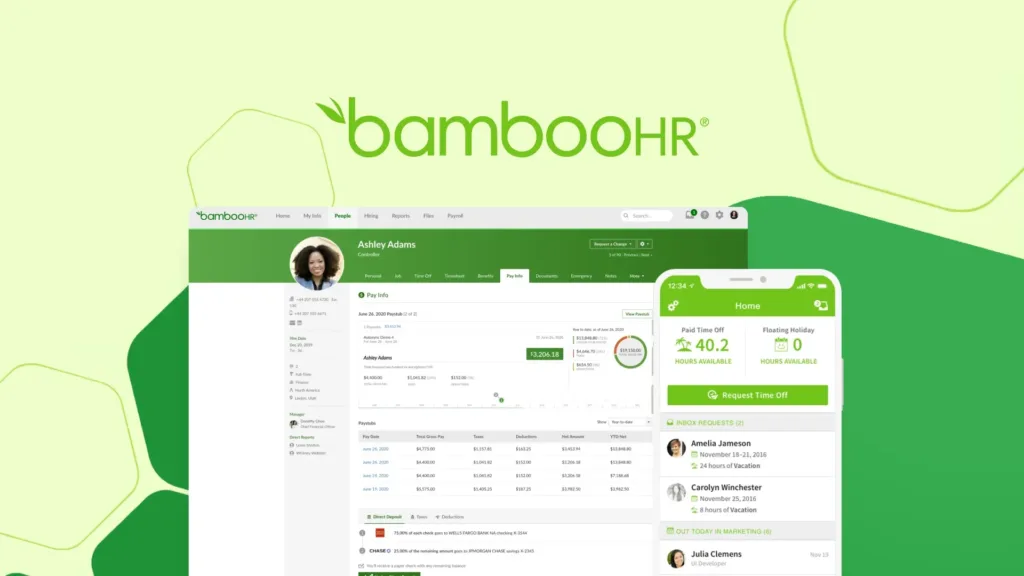
While it often requires a third-party integration for full-service payroll (it partners with solutions like TraxPayroll), BambooHR is a leader in the core HR management space for small to medium businesses.
It is renowned for its excellent applicant tracking system (ATS), onboarding experience, performance management modules, and overall user experience. For a startup that wants to build a strong people-centric culture from the ground up and is willing to manage a payroll integration, BambooHR provides a fantastic HR foundation.
Implementing Your Chosen Tool: Tips for Success
Selecting the tool is only half the battle. Successful implementation is key.
- Start with a Pilot Group: Roll out the system to a small, supportive team first to iron out kinks.
- Clean Your Data: Migrate clean, accurate data from your old spreadsheets or systems to avoid future headaches.
- Invest in Training: Ensure managers and employees know how to use the new system. Many providers offer excellent resources and support.
- Phased Approach: Don’t try to activate every advanced feature on day one. Master core payroll and HR first, then layer on performance, benefits, etc.
Conclusion
Choosing the right HR management and payroll tools is a pivotal decision for any growing startup. The ideal platform acts as a force multiplier for your people operations, ensuring accuracy, promoting compliance, and enhancing the employee experience.
By focusing on integration, scalability, and key features that match your stage of growth, you can invest in a system that not only solves today’s administrative challenges but also supports your ambitious vision for tomorrow. The time and stress saved will allow you to focus on what truly matters: building your product, serving your customers, and scaling your team effectively.
Frequently Asked Questions (FAQs)
1. At what point should a startup invest in dedicated HR/payroll software?
The right time is typically when you have your first employees (beyond co-founders) or when you plan to hire them. Once you’re responsible for even 2-3 salaries, tax withholdings, and compliance, manual processes become risky and inefficient. Implementing a tool early establishes good practices from the start.
2. Are all-in-one platforms better than using separate best-of-breed tools?
For most growing startups, an all-in-one platform (like Gusto or Rippling) is advantageous due to its simplicity, cost-effectiveness, and integrated data. It reduces the need for multiple logins and complex integrations. However, a modular approach (like BambooHR + a dedicated payroll service) might be preferable if you have very specific, advanced needs in one area.
3. How much do these HR and payroll tools typically cost?
Pricing is usually per employee per month, often with a base platform fee. Costs can range from $6 to $12+ per employee per month for core HR and payroll, with additional fees for benefits administration, advanced modules, or global features. Most providers offer transparent pricing on their websites.
4. Can these tools handle contractors as well as full-time employees?
Yes, the majority of modern platforms are built for the blended workforce. They can process payments for domestic and international contractors, handle necessary tax forms (like 1099s in the US), and often help manage contractor agreements, all within the same system used for your full-time team’s payroll.
