


Managing provider data, compliance, and credentialing paperwork today is like juggling lit torches. One missing document or an expired license can halt a provider’s ability to practice, leading to massive revenue loss and legal risk.
For hospital administrators and medical credentialing firms, credentialing software is now a matter of operational survival. This guide explores the top-tier platforms trusted by leading US healthcare organizations in 2026.
This is a listing blog that we are going to be in-depth to the list in 2026, how they operate, their features, and how it would assist you in knowing the credentialing software that top medical credentialing firms and healthcare organizations across the US trust.
This guide is created to serve hospital administrators, healthcare groups, and medical credentialing companies seeking to grow operations.
Why Credentialing & Privileging Matter More Than Ever in 2026
There is severe pressure on healthcare organizations in the US. Rules are tighter, audits more common, and shortage of providers introduces a need to onboard in a brief time-span, although impeccably.
Credentialing is no longer about paperwork. It impacts:
- Patient safety
- Revenue cycle management
- Legal compliance
- Provider satisfaction
That is why spreadsheets and manual tracking are not used by the best medical credentialing companies, which is based on advanced automation.
What Is Healthcare Credentialing Software?
Healthcare credentialing software is an online platform assisting organizations to check, monitor, administrate as well as renew provider credentials including:
- Medical licenses
- Board certifications
- DEA registrations
- Education & training history
- Privileges & affiliations
Primary source verification (PSV), payer enrollment, compliance reporting and expiration alerts are automated by modern credentialing software US platforms.
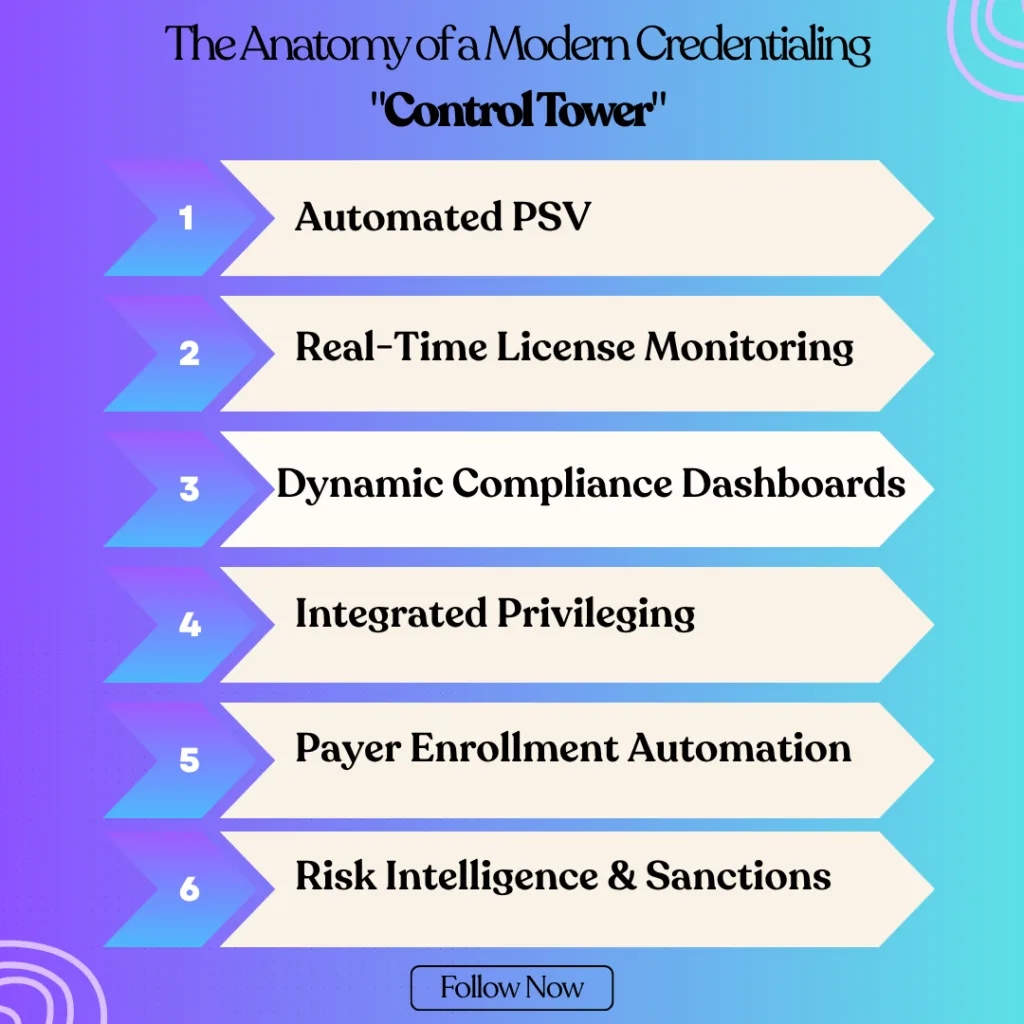
Consider it as a provider data control tower- all visible, validated and current.
Read more blog : Best AI Healthcare Software Development Companies for 2026
Key Benefits of Using Credentialing Software in the US
This is the reason why medical institutions are putting their money on credentialing platforms:
- Faster provider onboarding
- Reduced compliance risks
- Centralized provider data
- Expirations alerts that are automated
- Improved audit readiness
- Reduced administrative burdens.
In the case of medical credentialing companies, it will mean more accuracy and reduced turnaround time and satisfaction among clients.
How We Selected the Best Medical Credentialing Software
In order to establish such 2026 list, we considered the platforms according to:
- Feature depth & automation
- US healthcare compliance assistance
- Hospital and large network scalability
- Combination with HR, EHR and payer systems
- Medical credentialing companies reputation
- Innovation roadmap for 2026
Top Credentialing Software in the US (2026)
| Software Name | Best For | Key Strength | Ideal Users |
| VerityStream | Large hospitals | Enterprise compliance | Health systems |
| symplr | Credentialing / Integrated HR + | Workflow automation | Hospitals |
| MedTrainer | Accreditation training + certification | All-in-one solution | Clinics |
| Medallion | Fast onboarding | Automation-first | Provider groups |
| Modio Health | Clean UI & PSV | Speed & accuracy | Credentialing teams |
| Medversant | Data verification | Strong PSV tools | Credentialing firms |
| Verisys | Background checks | Risk mitigation | Health networks |
| QGenda | Workforce management | Scheduling + credentials | Enterprise orgs |
| nCred | Simplified workflows | User-friendly design | Small practices |
| Practolytics | Outsourced credentialing | Cost efficiency | Medical billing firms |
Overview of Leading Credentialing & Privileging Platforms
1. VerityStream
Overview: VerityStream is one of the most widely adopted enterprise credentialing and privileging solutions in the US. Designed for healthcare systems of all sizes, it delivers centralized credentialing, privileging, enrollment, and compliance management.
Key Features:
- Automated primary source verification (PSV)
- Real-time license and certification tracking
- Integrated privileging workflows
- Dynamic compliance dashboards
- Multi-state support for large networks
Example Use Case: A multi-hospital health system with providers in 15 states uses VerityStream to unify credentialing processes, reduce compliance gaps, and generate audit-ready reports instantly.
Why It’s Loved: VerityStream’s strength lies in enterprise scalability and advanced automation, making it one of the strongest choices for hospitals and large health systems.
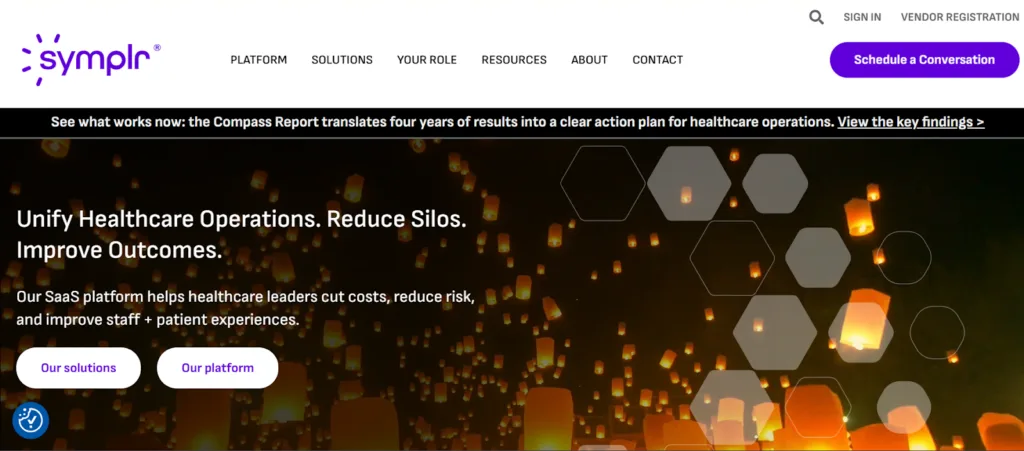
2. Symplr
Overview: symplr is a comprehensive healthcare operations platform that includes credentialing, compliance, workforce management, and provider performance analytics.
Key Features:
- Automated credentialing lifecycle management
- HR and credentialing data synchronization
- Licensure and certification tracking
- Integrated privileging modules
- Compliance and risk reporting
Example Use Case: A regional hospital network with complicated HR workflows uses symplr to unify provider credentials with workforce scheduling and performance tracking, resulting in significant time savings.
Why It’s Loved: symplr stands out for its combination of credentialing and operational management, giving administrators an integrated view of workforce readiness.
3. MedTrainer
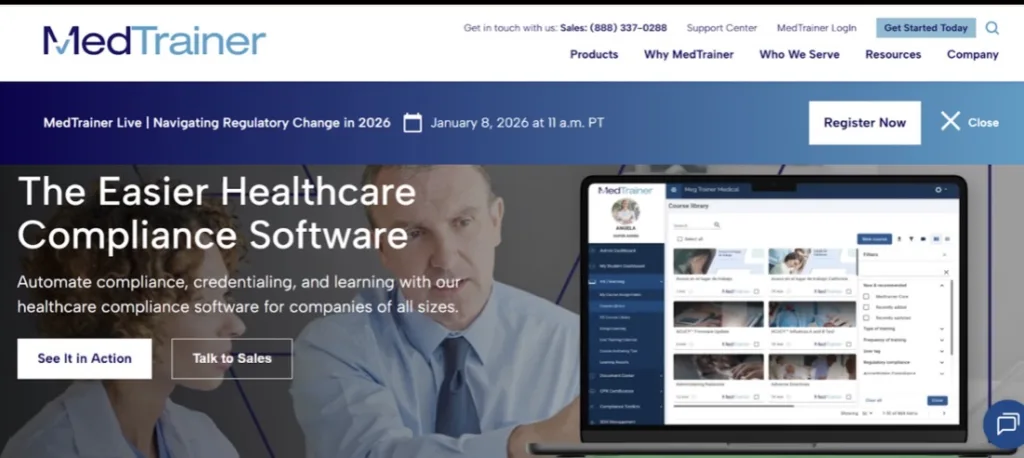
Overview: MedTrainer blends credentialing with compliance training and document management, making it ideal for both small clinics and mid-sized healthcare organizations.
Key Features:
- Credentialing + training tracking
- Centralized document storage
- Automated expiration reminders
- Custom compliance workflows
- Reporting and analytics
Example Use Case: A chain of outpatient clinics uses MedTrainer to manage provider credentials and mandatory compliance training (OSHA, HIPAA, etc.) from a single platform.
Why It’s Loved: The all-in-one nature of MedTrainer reduces the need for multiple systems, making it ideal for resource-conscious teams.
4. Medallion
Overview: Medallion focuses on automation-first credentialing, helping organizations onboard providers faster while enhancing accuracy and compliance.
Key Features:
- Fast provider onboarding pipelines
- Automated primary source verification
- Document management and alerts
- Workflow templates
- Compliance tracking
Example Use Case: Growing telehealth providers use Medallion to credential physicians rapidly across different states while ensuring up-to-date compliance with changing regulations.
Why It’s Loved: Medallion’s emphasis on speed and usability makes it a go-to choice for organizations scaling quickly.
5. Modio Health
Overview: Modio Health is a modern credentialing platform designed for clarity and efficiency. It helps teams reduce manual work and make informed credentialing decisions.
Key Features:
- Intuitive dashboards
- Primary source verification automation
- Payer enrollment support
- Expiration alerts
- Compliance workflows
Example Use Case: A professional credentialing firm specializing in volume workflows uses Modio Health to manage hundreds of providers with minimal administrative friction.
Why It’s Loved:
Its clean interface and robust automation make Modio Health particularly user-friendly for teams handling high provider volumes.
6. Medversant
Overview: Medversant combines deep data verification capabilities with tailored workflows and advanced reporting, making it popular among medical credentialing companies.
Key Features:
- Comprehensive primary source verification
- Customized workflow creation
- Provider database enrichment
- Risk and compliance reporting
- Integration with payers and HR systems
Example Use Case: Credentialing service providers that oversee credentialing for multiple clients use Medversant to ensure data accuracy and compliance across distinct workflows.
Why It’s Loved: Medversant’s strength lies in accuracy and configurability, giving credentialing teams granular control over processes.
7. Verisys
Overview: Verisys stands out by integrating background screening and risk intelligence into credentialing workflows. It supports continuous monitoring to detect sanctions, exclusions, and compliance red flags.
Key Features:
- Background and exclusion checks
- Sanction alerts and monitoring
- Provider risk assessments
- PSV and compliance workflows
- Real-time alerting
Example Use Case: A national healthcare group uses Verisys to constantly monitor provider compliance status and respond promptly to sanction updates or credential risks.
Why It’s Loved: Verisys brings a risk-first approach to credentialing, helping organizations preempt compliance issues before they impact operations.
8. QGenda
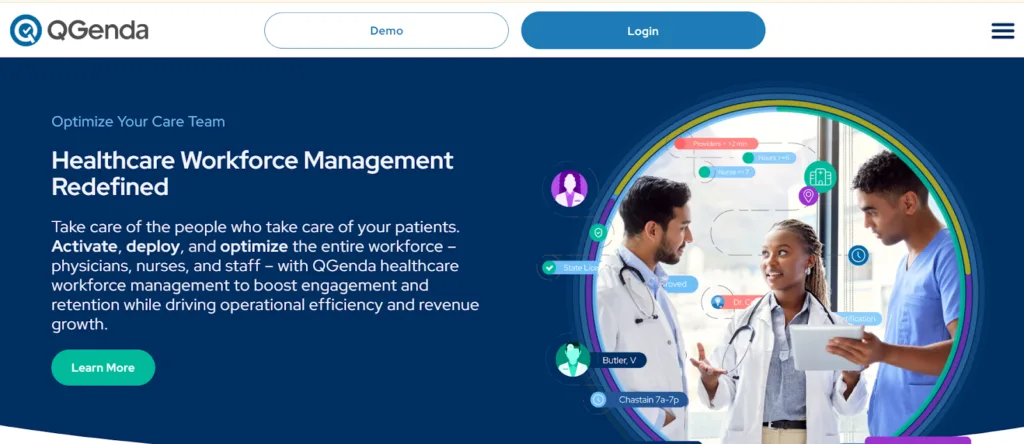
Overview: QGenda combines credentialing with workforce scheduling, performance optimization, and capacity planning. It is particularly strong for organizations managing large clinical workforces.
Key Features:
- Credential-aware scheduling
- Workforce optimization
- License expiration integration
- Provider availability management
- Multi-location support
Example Use Case: A large health system integrates QGenda credential data with scheduling workflows so providers are only scheduled when credentials are valid.
Why It’s Loved: The seamless connection between credentials and scheduling empowers organizations to make staffing decisions with confidence.
9. nCred
Overview: nCred caters to small and mid-sized practices that need a straightforward solution without overwhelming complexity.
Key Features:
- User-friendly interface
- Automated expiration alerts
- Core credential management
- Simple compliance tracking
- Affordable pricing tiers
Example Use Case: A growing ambulatory practice uses nCred to manage provider licenses, DEA registrations, and certification renewals with minimal administrative overhead.
Why It’s Loved: Its simplicity and affordability make nCred a great entry-level credentialing software.
10. Practolytics
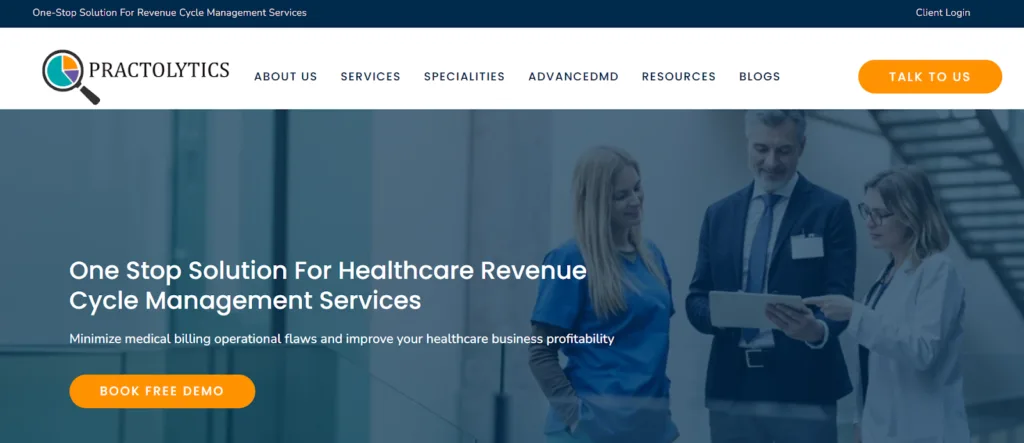
Overview: Practolytics blends credentialing support with operational insights, including revenue cycle and billing workflows, making it unique among credentialing platforms.
Key Features:
- Outsourced credentialing services
- Revenue cycle visualization
- Provider compliance tracking
- Monthly reporting
- Dedicated support
Example Use Case: A medical billing firm adds Practolytics services to its offering, helping clients with credentialing and billing workflow alignment.
Why It’s Loved: Practolytics is a hybrid solution combining software and hands-on support, appealing to some of the best medical credentialing companies and service providers
How to Choose the Best Medical Credentialing Companies & Software
For Hospitals
- Look for enterprise scalability
- Strong reporting & audit tools
- Multi-location support
For Medical Groups
- Fast onboarding
- Payer enrollment automation
- Simple user interface
For Credentialing Service Providers
- Custom workflows
- Bulk provider management
- Data accuracy & compliance tracking
Trends Shaping Credentialing Software in 2026
- AI-powered primary source verification
- Predictive compliance alerts
- Deeper payer integrations
- Centralized provider data ecosystems
- Increased focus on cybersecurity
The best medical credentialing companies are already investing in these trends.
Common Mistakes to Avoid When Selecting Credentialing Software
- Choosing price over scalability
- Ignoring integration requirements
- Underestimating future provider growth
- Overlooking user experience
Credentialing software should grow with you—not slow you down.
2026 Trends: The Future of Credentialing
The best medical credentialing companies are pivoting toward:
Predictive Compliance: Alerts that trigger before a risk even appears.
AI-Powered PSV: Using machine learning to verify education and licenses in seconds.
Blockchain Credentials: Immutable, digital “passports” for providers.
Frequently Asked Questions
What is the best credentialing software for large US hospital systems?
VerityStream and symplr are the enterprise leaders for 2026, offering the scalability and multi-facility support required by large networks.
Is credentialing software HIPAA compliant?
Yes. All top-tier platforms (including those on this list) utilize enterprise-grade encryption and meet HIPAA and SOC2 Type II standards to protect sensitive provider data.
Can credentialing software speed up payer enrollment?
Absolutely. By automating the collection of primary source data and pre-filling enrollment forms, platforms like Medallion and Modio Health can reduce enrollment timelines by up to 40%.
How often should provider credentials be verified?
While NCQA standards require re-credentialing every 3 years, modern software like Verisys allows for continuous monitoring, alerting you the moment a change occurs in a provider’s status.
Is there a “free” or low-cost version for solo practitioners?
While full-scale automation usually requires a subscription, platforms like nCred offer affordable tiers specifically designed for smaller medical groups and independent practices.
