


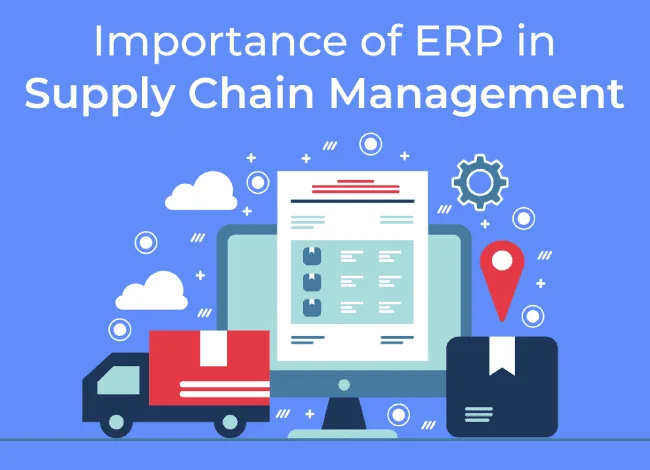
ERP systems improve inventory and supply chain management by connecting purchasing, stock control, warehousing, sales, production, suppliers, and financial data within one centralized platform. Instead of managing these activities through separate spreadsheets and disconnected applications, businesses can monitor the movement of goods and information in real time.
Inventory and supply chain operations have become increasingly complex. Companies may work with multiple suppliers, warehouses, sales channels, logistics partners, and customer locations. Without accurate information, they can face stock shortages, excess inventory, delayed orders, production interruptions, and rising operational costs.
Modern ERP inventory management tools provide businesses with better visibility, automation, forecasting, and control. At the same time, integrated supply chain management software helps departments coordinate purchasing, production, storage, transportation, and customer fulfilment more effectively.
Table of Contents
What Is an ERP System?
Enterprise resource planning, commonly known as ERP, is a business management system that connects important departments and processes through a shared database.
An ERP platform may include modules for:
- Accounting and financial management
- Inventory and warehouse control
- Procurement and purchasing
- Manufacturing and production planning
- Sales and order processing
- Supplier management
- Customer relationship management
- Human resources
- Reporting and analytics
When these functions operate within one platform, employees can access consistent and updated information. For example, when a customer places an order, the ERP system can update available stock, notify the warehouse, generate financial records, and create a purchasing request if inventory falls below a defined level.
This integration reduces the need to enter the same information into several systems.
How ERP Systems Improve Inventory and Supply Chain Management?
ERP systems create a continuous flow of information across purchasing, warehouses, production, sales, and finance. This helps businesses understand what inventory they currently hold, where it is located, how quickly it is selling, and when it should be reordered.
The system can also connect supplier performance, purchasing costs, production schedules, delivery dates, and customer demand. As a result, managers can make decisions using complete operational information rather than relying on estimates or outdated reports.
1. Provide Real-Time Inventory Visibility
One of the main benefits of an ERP platform is real-time inventory visibility.
Businesses can track stock across warehouses, retail locations, production facilities, and distribution centres from one dashboard. Employees can view quantities that are available, reserved, damaged, in transit, or waiting for inspection.
Accurate visibility helps prevent situations where a sales representative promises an item that is no longer available. It also reduces the need for employees to call warehouse teams or manually check spreadsheets.
Effective ERP inventory management may support serial numbers, batch numbers, expiry dates, bin locations, units of measurement, and product variations. These capabilities are particularly useful for manufacturers, wholesalers, retailers, pharmaceutical companies, and food businesses.
2. Reduce Stockouts and Excess Inventory
Stockouts occur when a business does not have enough products or materials to meet demand. They can cause lost sales, delayed production, dissatisfied customers, and expensive emergency purchases.
Excess inventory creates a different problem. Unsold stock occupies warehouse space, ties up working capital, and may become outdated, damaged, or expired.
ERP systems can reduce both risks by monitoring stock levels and automatically generating alerts or purchase requests when inventory reaches a reorder point.
Businesses can set:
- Minimum stock levels
- Maximum stock levels
- Safety stock requirements
- Reorder quantities
- Supplier lead times
- Seasonal purchasing rules
Using these controls, companies can maintain enough inventory to support operations without purchasing unnecessary quantities.
3. Improve Demand Forecasting
Accurate demand forecasting helps businesses understand how much inventory they may need in the future.
ERP systems can analyze historical sales, seasonal patterns, current orders, production requirements, and customer demand. Managers can use this information to plan purchasing, staffing, manufacturing, and warehouse capacity.
For example, a clothing retailer may notice that certain products sell more quickly during festivals or holiday seasons. A manufacturer may identify increased demand for particular components during specific months.
Advanced supply chain management software may use predictive analytics and artificial intelligence to identify patterns that are difficult to detect manually. Forecasts are not always perfect, but they provide a stronger foundation than assumptions or incomplete spreadsheets.
4. Automate Purchasing and Replenishment
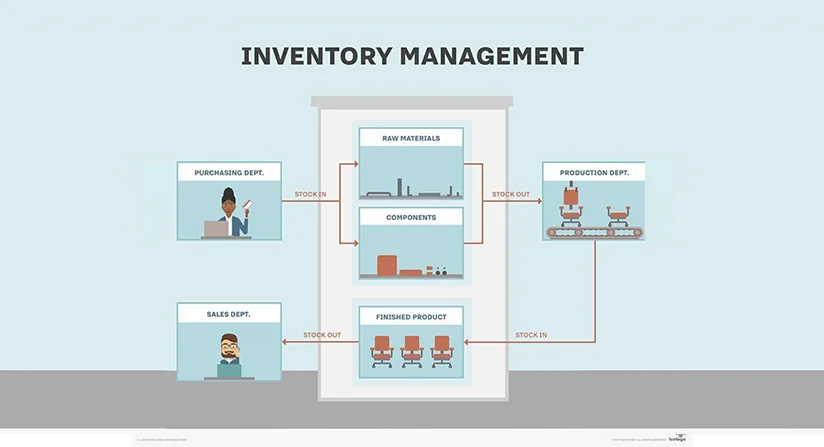
Manual purchasing processes can be slow and inconsistent. Employees may forget to reorder important materials, purchase from unsuitable suppliers, or order more stock than the company requires.
ERP platforms can automate several procurement activities. When stock falls below a defined level, the system may create a purchase requisition, recommend a supplier, calculate the required quantity, and route the request for approval.
The platform can also store supplier prices, payment terms, delivery schedules, minimum order quantities, and previous performance.
This automation reduces administrative work while improving purchasing consistency. Managers can still review and approve important orders, but the system handles much of the repetitive preparation.
5. Strengthen Supplier Management
Suppliers directly affect product quality, production continuity, costs, and customer delivery times.
An ERP system can maintain detailed supplier records, including:
- Pricing history
- Delivery performance
- Product quality
- Contract terms
- Payment conditions
- Returned items
- Purchase volumes
- Communication history
Businesses can use this data to compare suppliers and identify recurring issues. For example, a low-cost supplier may appear attractive but create delays through late or incomplete deliveries.
ERP reporting allows companies to evaluate total supplier performance rather than focusing only on purchase price. Better supplier decisions improve the reliability of the entire supply chain.
6. Improve Warehouse Operations
Warehouse efficiency affects how quickly products can be received, stored, picked, packed, and shipped.
ERP systems can assign storage locations, generate picking lists, track stock movements, and update inventory after every transaction. Barcode scanners, QR codes, and radio-frequency identification technology may also connect with the system.
A warehouse employee can scan an item when it arrives, moves to another location, or leaves for delivery. This reduces manual data entry and improves stock accuracy.
Strong ERP inventory management can also support cycle counting. Instead of closing the warehouse for a complete physical count, businesses can regularly count smaller groups of products and compare the results with system records.
7. Connect Sales with Inventory
Sales and inventory information should not remain in separate systems.
When an ERP platform connects these areas, sales employees can check stock availability before confirming an order. The system can reserve products, calculate delivery dates, update warehouse teams, and create invoices.
For ecommerce businesses, ERP integrations can synchronize stock across websites, marketplaces, retail stores, and warehouses. This reduces the risk of selling the same limited inventory through multiple channels.
Connected sales and inventory data also helps businesses understand which products are profitable, which items move slowly, and which customers purchase the highest volumes.
8. Support Manufacturing and Production Planning
Manufacturers must ensure that raw materials, machinery, employees, and production schedules are properly coordinated.
An ERP system can use customer orders and forecasts to calculate material requirements. It can check whether required components are available and create purchasing requests when materials are missing.
Manufacturing features may include:
- Bills of materials
- Work orders
- Production schedules
- Material requirements planning
- Quality control
- Equipment capacity
- Production costs
- Waste tracking
This integration reduces production delays caused by missing materials. It also helps companies monitor the actual cost of producing each item.
9. Improve Order Fulfilment
Customers expect accurate orders and reliable delivery information.
ERP systems connect order processing with inventory, warehouses, logistics, and financial records. When an order is placed, the platform can verify stock, reserve products, create picking instructions, generate shipping documents, and update the customer’s invoice.
Integrated supply chain management software also helps businesses monitor orders that are delayed, partially fulfilled, returned, or waiting for payment.
Faster and more accurate fulfilment can improve customer satisfaction and reduce the cost of correcting order mistakes.
10. Improve Supply Chain Reporting
Managers need reliable reports to understand inventory and supply chain performance.
ERP dashboards can track measurements such as:
- Inventory turnover
- Stock accuracy
- Order fulfilment time
- Supplier delivery performance
- Carrying costs
- Stockout frequency
- Warehouse productivity
- Purchase price variance
- Returned products
- Forecast accuracy
These reports help managers identify bottlenecks and take action before problems become more expensive.
For example, increasing delivery times may indicate supplier problems, warehouse delays, or inefficient transport planning. Slow-moving inventory reports can help businesses reduce prices, stop purchasing certain items, or move stock between locations.
11. Reduce Operational Costs
Inventory creates costs through purchasing, storage, insurance, handling, damage, and obsolescence. Supply chain problems can also create emergency shipping charges, production downtime, and customer refunds.
ERP systems reduce costs by improving forecasting, automating purchasing, increasing stock accuracy, and reducing manual work.
Centralized data also makes it easier to identify unnecessary spending. A company may discover that different departments are purchasing the same material from different suppliers at different prices.
By standardizing processes and improving visibility, ERP systems help businesses use resources more efficiently.
12. Support Business Growth
As a business grows, it may add warehouses, sales channels, product lines, suppliers, and locations. Managing this expansion with spreadsheets becomes increasingly difficult.
A scalable ERP system provides standardized processes across the organization. New branches can use the same inventory codes, approval workflows, supplier records, and reporting methods.
Cloud ERP systems may also allow remote employees and multiple locations to access the same platform securely. This supports expansion without creating separate databases for every office or warehouse.
Choosing the Right ERP for Inventory and Supply Chain Operations
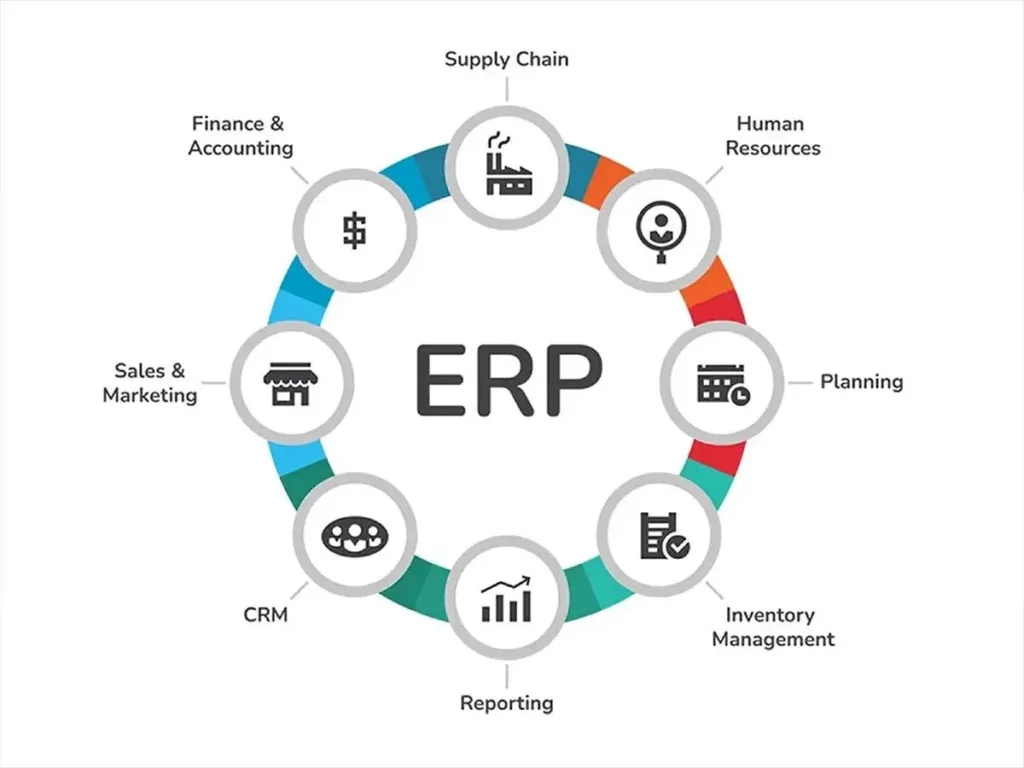
Businesses should select an ERP platform based on their actual operational needs.
Important features may include multi-warehouse management, barcode support, purchasing automation, demand forecasting, supplier tracking, manufacturing planning, ecommerce integration, and real-time reporting.
Companies should also compare:
- Ease of use
- Implementation costs
- Scalability
- Mobile accessibility
- Customization
- Security
- Customer support
- Data migration
- Third-party integrations
Before purchasing, ask vendors to demonstrate realistic business processes. For example, request a complete demonstration showing how the system handles a sales order, stock shortage, purchase request, supplier delivery, warehouse receipt, and final shipment.
Conclusion
ERP systems improve inventory and supply chain management by connecting departments, automating repetitive processes, and providing real-time operational data.
Effective ERP inventory management helps businesses reduce stockouts, prevent excess inventory, improve warehouse accuracy, and plan purchases more efficiently. Integrated supply chain management software improves supplier coordination, demand forecasting, production planning, and order fulfilment.
However, technology alone cannot solve every supply chain problem. Businesses also need accurate data, well-defined processes, trained employees, and regular performance reviews. When properly implemented, an ERP system can reduce costs, improve customer satisfaction, and create a stronger foundation for future growth.
Frequently Asked Questions
1. How does an ERP system help with inventory management?
An ERP system tracks available, reserved, damaged, and in-transit inventory across different locations. It can also automate reorder alerts, purchasing requests, stock transfers, and inventory reports.
2. Can ERP software prevent stockouts?
ERP software can reduce stockouts by monitoring inventory levels, supplier lead times, demand forecasts, and safety stock requirements. However, businesses must maintain accurate data and review forecasts regularly.
3. Is ERP useful for small businesses with limited inventory?
Yes. Small businesses can use ERP software to replace spreadsheets, connect sales with inventory, automate purchasing, and prepare for future growth. The system should match the company’s size and operational requirements.
4. How does ERP improve supply chain visibility?
ERP brings supplier, purchasing, inventory, production, warehouse, sales, and delivery information into one platform. This allows managers to monitor supply chain activity and identify delays or shortages more quickly.
