



Launching a new business is an exhilarating whirlwind, but among the countless decisions founders face, one stands out: do you really need a CRM for startups from the very first day? The honest answer is yes. While many bootstrapped teams assume that customer relationship management tools are only necessary for enterprise giants, the opposite is true. Implementing a CRM for startups early on prevents the chaos of scattered spreadsheets, missed follow-ups, and fractured team alignment. Delaying a customer relationship management system doesn’t save money—it costs you in lost leads and credibility.
In this guide, we’ll break down exactly why a CRM for startups is non-negotiable, how a dedicated Startup CRM differs from generic tools, and how to pick the perfect one for your unique growth trajectory.
Table of Contents
The Foundation of Customer-Centric Growth
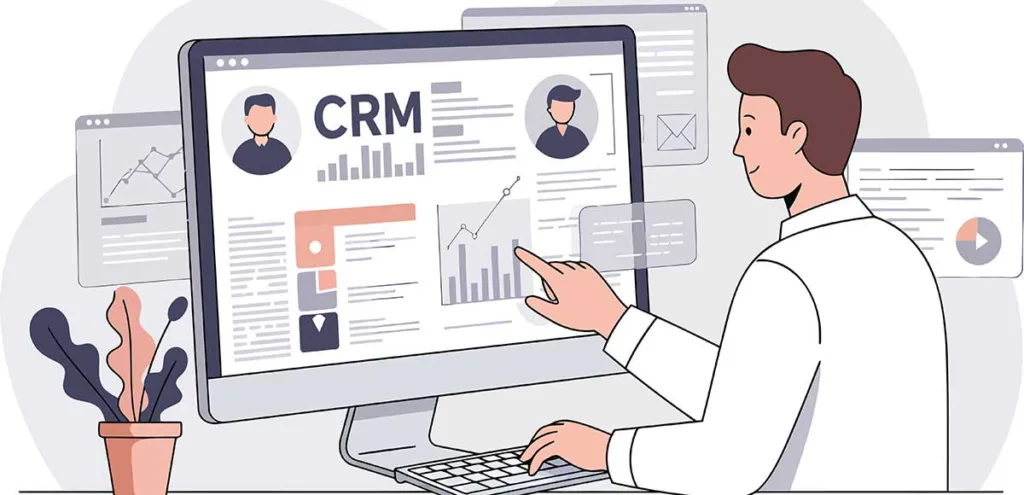
Every startup begins with a vision, but that vision must be supported by a deep understanding of your audience. In the early stages, every interaction—whether with an investor, a first-time buyer, or a returning client—is an opportunity to build trust. Without a centralized system, managing these touchpoints becomes overwhelming.
A robust customer relationship management platform serves as the backbone for organizing leads, tracking communications, and forecasting sales. It ensures that no opportunity falls through the cracks. By starting with a CRM for startups on day one, you lay the groundwork for a customer-centric culture that scales seamlessly as your headcount grows.
CRM for Startups: The Early-Stage Advantage
One of the most common mistakes founders make is relying on spreadsheets or manual processes to manage customer data. While these methods might work temporarily, they quickly become inefficient as your lead list expands. A CRM for startups automates repetitive tasks, provides real-time insights, and helps your team stay aligned—all from a single dashboard.
Why Spreadsheets Aren’t Enough
- Data Silos: Spreadsheets are often stored locally, making collaboration difficult.
- Human Error: Manual data entry increases the risk of typos and duplicate records.
- Lack of Insights: Spreadsheets don’t offer analytics or predictive features.
A dedicated CRM solves these problems by offering a unified platform where everyone—from sales to support—can access the same information. This transparency fosters better decision-making and faster response times, which is exactly why modern customer relationship management is considered a startup essential.
Key Benefits of Using a CRM for Startups

1. Centralized Data Management
When you’re juggling multiple channels like email, social media, and phone calls, it’s easy to lose track of conversations. A CRM consolidates all customer interactions into a single dashboard. This means you can view a complete history of each lead or client, including past emails, notes, and purchase behavior.
2. Improved Lead Nurturing
Not every lead is ready to buy immediately. A CRM allows you to segment your audience based on their stage in the sales funnel. You can then send targeted follow-ups, ensuring that you’re always engaging with prospects at the right time. This personalized approach significantly increases conversion rates.
3. Enhanced Team Collaboration
Startups often have small teams where everyone wears multiple hats. A CRM ensures that everyone is on the same page. For instance, if a sales rep is out sick, another team member can pick up where they left off without missing a beat. This continuity builds trust with customers and avoids frustrating repetitions.
4. Scalability
As your startup grows, so does your customer base. A CRM is designed to scale with you. Whether you have 10 customers or 10,000, the system adapts to your needs. You can add new features, integrate with other tools, and customize workflows without overhauling your entire process.
5. Data-Driven Decisions
In the early days, every decision counts. A CRM provides actionable insights through reports and dashboards. You can track metrics like customer acquisition cost, lifetime value, and conversion rates. Armed with this data, you can make informed choices about where to allocate resources and which strategies to prioritize.
Common Misconceptions About Startup CRM
Despite its clear advantages, some founders hesitate to adopt a Startup CRM due to misconceptions. Let’s debunk a few:
- “It’s too expensive.” Many CRMs offer free or affordable plans for small teams. The ROI from improved efficiency and increased sales far outweighs the cost.
- “It’s too complex.” Modern Startup CRM platforms are user-friendly and come with onboarding support. You don’t need a technical background to get started.
- “We don’t have enough customers yet.” Even with a handful of clients, a Startup CRM helps you deliver exceptional service, which is crucial for referrals and repeat business.
How to Choose the Right System for Your New Business?

Selecting the perfect platform requires careful consideration. When evaluating a Startup CRM or any customer relationship management tool, here are some factors to prioritize:
Ease of Use
Your team should be able to adopt the CRM quickly without extensive training. Look for intuitive interfaces and mobile accessibility.
Customization
Every startup is unique. Choose a system that allows you to customize fields, workflows, and reports to match your specific processes.
Integration Capabilities
Your CRM should integrate seamlessly with tools you already use, such as email marketing software, project management platforms, and accounting systems.
Scalability
Ensure the CRM can grow with your business. Check if it offers tiered pricing and advanced features as your needs evolve.
Customer Support
Reliable customer support is essential, especially during the onboarding phase. Opt for a provider with 24/7 assistance and a robust knowledge base.
Real-World Examples: Startups That Succeeded with CRM
Let’s look at two hypothetical but realistic scenarios to illustrate the impact:
Scenario A: Startup Without a CRM
A SaaS company launches with five employees. They use spreadsheets to track leads. As their email list grows to 500, they start missing follow-ups and confusing clients. Customer satisfaction drops, and referrals decline. Within six months, they lose 20% of their pipeline due to poor organization.
Scenario B: Startup With a CRM
Another SaaS company adopts a CRM for startups from day one. They automate lead scoring, set reminders for follow-ups, and track every interaction. Their team stays aligned, and they close 30% more deals in the first quarter. By year-end, they’ve built a loyal customer base and secured Series A funding.
The difference is clear: a CRM isn’t just a tool; it’s a strategic asset. Effective customer relationship management is what separates chaotic growth from sustainable success.
Implementing Your CRM: Best Practices
To maximize the benefits of your CRM, follow these best practices:
- Define Your Goals: What do you want to achieve? Improved lead conversion? Faster response times? Clear objectives will guide your implementation.
- Clean Your Data: Before migrating, ensure your existing data is accurate and up-to-date.
- Train Your Team: Invest time in training so everyone understands how to use the system effectively.
- Start Small: Begin with core features and gradually explore advanced functionalities.
- Monitor and Optimize: Regularly review your CRM usage and adjust workflows to improve efficiency.
The Long-Term Value of a CRM for Startups
A CRM is more than a software purchase; it’s an investment in your company’s future. By centralizing customer data, automating routine tasks, and providing actionable insights, you free up time to focus on what truly matters: building your product and nurturing relationships.
Moreover, a CRM helps you establish a professional image from the outset. Customers appreciate when you remember their preferences and past interactions. This level of attentiveness sets you apart from competitors and fosters long-term loyalty. For founders who want to get it right from the start, adopting a customer relationship management system early is one of the smartest decisions you can make.
Conclusion: Don’t Wait—Start Today
The journey of a startup is filled with uncertainty, but one thing is certain: your customers are your greatest asset. A CRM for startups ensures that you treat them as such from day one. Whether you’re a solo founder or a team of ten, the right CRM empowers you to work smarter, not harder.
Remember, the cost of not having a CRM is far greater than the investment. Missed opportunities, disorganized data, and wasted time are hidden expenses that can derail your growth. By adopting a CRM early, you build a strong foundation for sustainable success.
So, take the leap. Explore the options available, choose a system that aligns with your needs, and watch your startup thrive.
Frequently Asked Questions
1. Can a CRM for startups be affordable?
Absolutely. Many leading providers offer free or low-cost plans tailored for startups. For example, platforms like HubSpot, Zoho, and Freshsales have tiered pricing that scales with your business. A CRM for startups doesn’t have to break the bank—some plans are even free for the first few users.
2. How long does it take to implement a Startup CRM?
Implementation timelines vary depending on the complexity of the system and your team’s familiarity with it. However, most modern Startup CRM platforms can be set up within a few hours to a couple of days. Many providers also offer guided onboarding to accelerate the process.
3. What if my startup has very few customers—do I still need a CRM?
Yes! Even with a small customer base, a customer relationship management tool helps you deliver personalized service, track interactions, and identify patterns. It also prepares you for future growth, ensuring you’re not scrambling to organize data when your business takes off.
4. Can a CRM integrate with other tools we already use?
Most CRMs are designed with integration in mind. They can connect with email platforms (like Mailchimp), project management tools (like Trello or Asana), and even accounting software (like QuickBooks). This is a core feature of any modern customer relationship management system. Before purchasing, check the integration list to ensure compatibility with your existing tech stack.
