


The past ten years have seen India becoming one of the most rapidly expanding digital economies and Fintech Startups India are at the centre of the revolution. These startups are resolving the long-standing payment problems that the traditional banks could not deal with with innovations on digital payments, mobile wallets, and smooth financial transactions. The Finance Startups India ecosystem is flourishing, whether in closing financial inclusion divides, or facilitating real-time, secure payments.
This blog discusses the Top 10 FinTech Startups in India to solve payment problems and the way their technologies are redefining the economy. On the journey, we will also point out how technological innovations such as the Internet of Things (IoT), Artificial Intelligence (AI), and blockchain are contributing to this expansion, offering limitless prospects to those interested in investing in startups that are shaping the financial future in India.
Top 10 Fintech Startups in India
| Rank | Startup | Core Focus | Key Innovation/Contribution |
| 1 | Paytm | Digital Payments & QR | Pioneered QR-based payments in rural & urban India. |
| 2 | Razorpay | Payment Gateway | Simplified API integration for business digital payments. |
| 3 | PhonePe | UPI Ecosystem | Led mass UPI adoption with a user-friendly interface. |
| 4 | BharatPe | Merchant Payments | Zero-fee QR payments specifically for small shopkeepers. |
| 5 | CRED | Credit Card Rewards | Gamified credit card bill payments for premium users. |
| 6 | Pine Labs | POS Solutions | Revolutionized in-store offline-to-online payments. |
| 7 | MobiKwik | Digital Credit/BNPL | Combined mobile wallets with “Buy Now, Pay Later” services. |
| 8 | ZestMoney | Credit Access | Uses AI to provide credit to users without credit history. |
| 9 | PayU | Global Gateways | Secure cross-border transactions and enterprise lending. |
| 10 | PolicyBazaar | InsurTech | Streamlined premium payments and claim settlements. |
1. Paytm – Pioneer in Digital Payments
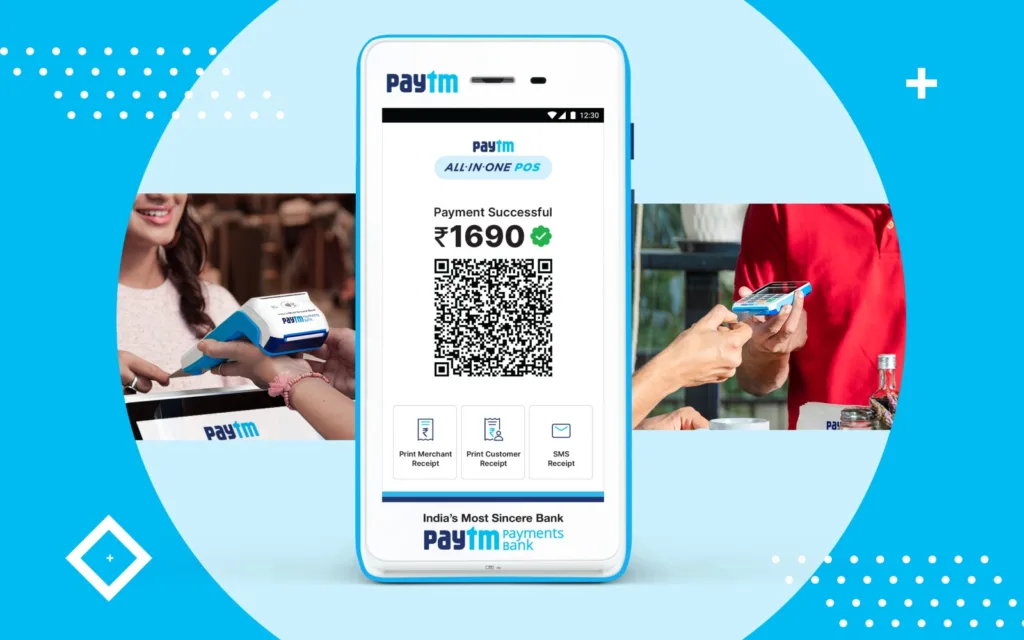
Talking about new Indian fintech startups, Paytm cannot but occupy the center stage as one of the first ones to shake the payment market. Paytm has earned a household name with its mobile wallet and QR-code system of payment. It made digital payments simpler to millions of people with the help of utility bills payments, mobile recharges, and e-commerce transactions. It is currently being integrated into UPI to provide secure, instant and cashless transactions within urban and rural India.
Key Contribution: The expansion of the use of digital payments by urban and rural consumers.
2. Razorpay – Payment Gateway for Businesses
Razorpay has turned out to be the pillar of companies that seek online payments. Being one of the most popular startups in finance in India, Razorpay offers merchants services of payment gateway, subscription billing and access to capital with RazorpayX. Secure APIs and easy user experience have positioned it as the choice of both startups and enterprises.
Key Contribution: How to make businesses empowered with simpler digital payment solutions?
Also Read :- Security Testing in Software Testing with Example
3. PhonePe – Driving UPI Adoption
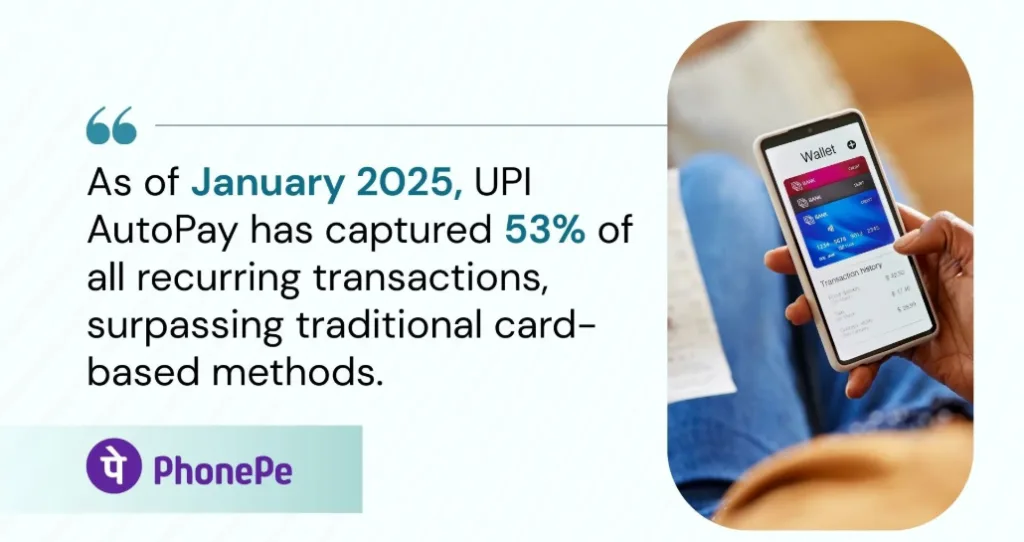
Another of Fintech Startups India strong players is supported by Walmart, PhonePe. Its user-friendly UPI based payment interface has assisted millions of Indians in making hassle free transactions. It aids in paying the bills, insurance cover, investments in mutual funds, and even buying of gold.
Key Contribution: The use of UPI in India with user-friendly solutions is widely applicable.
4. BharatPe – Merchant-Centric Innovation
BharatPe is based on small businesses and offline merchants, who can use their application and a QR-code to get their money directly to their bank accounts. BharatPe is also very appealing to shopkeepers, local businesses, and SMEs because it does not charge fees like wallets.
Key Contribution: Developing financial empowerment of small scale merchants and shopkeepers.
5. CRED – Rewarding Credit Card Users
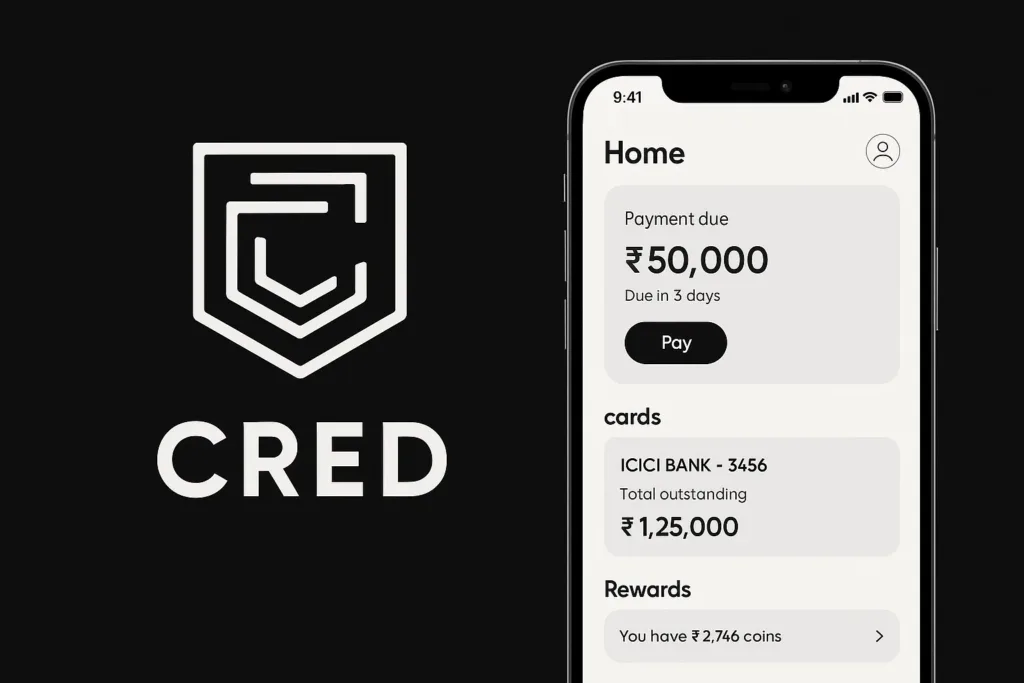
CRED has introduced something new since payment of credit card bills have become rewarding experiences. Not only can users easy pay bills through this startup but get rewarded with exclusive offers and cashback as well as deals. The targeting of premium customers makes it one of the most distinctive innovative fintech startups in India.
Key Contribution: Gamified and rewarding bill payments to increase user loyalty.
6. Pine Labs – Transforming POS Systems
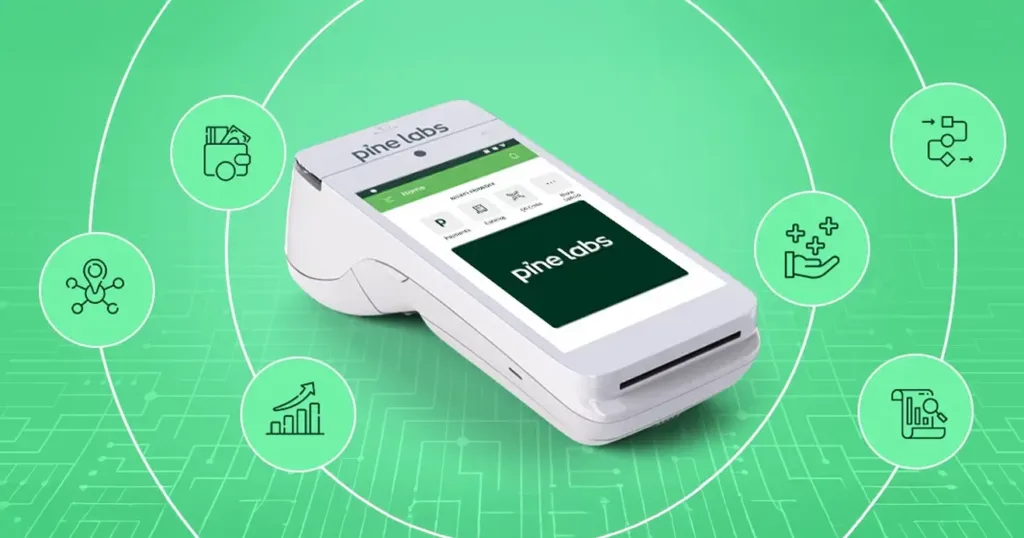
Pine Labs is a merchant commerce solution leader, which mainly deals with point-of-sale (POS) systems. Pine Labs has modernized the manner in which businesses accept money by simplifying EMI payments, loyalty programs, and contactless payments.
Key Contribution: Making in-store payments a revolution through novel POS machines.
7. MobiKwik – Wallets and BNPL Services
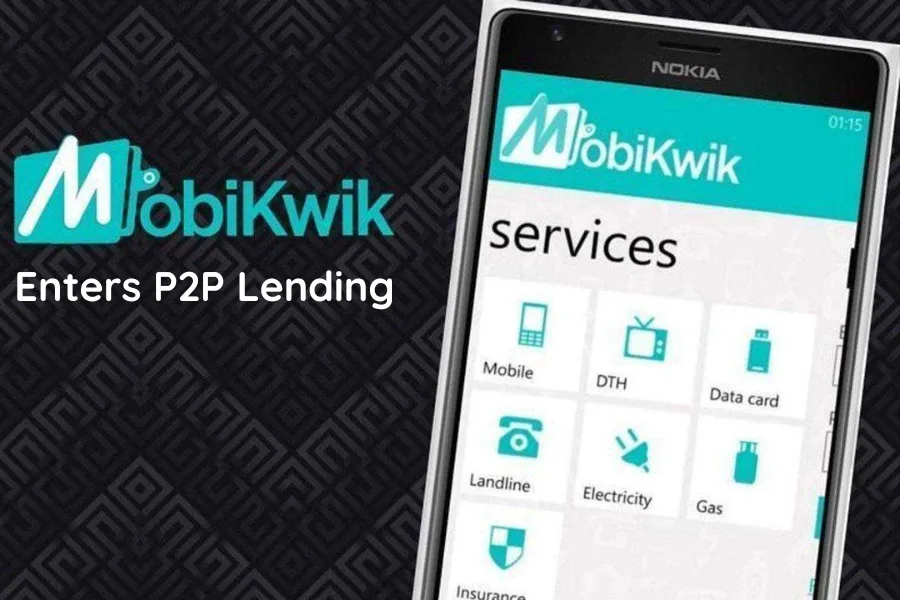
MobiKwik began as a mobile wallet, but is now offering Buy Now, Pay Later (BNPL) services and digital credit. It connects the gap to customers who would like to have online shopping, traveling and utility needs immediately credited.
Key Contribution: Co-location of payments and digital lending and BNPL solutions.
8. ZestMoney – Redefining Credit Access
ZestMoney is one of the most influential finance startups in India as it allows customers without credit cards to gain access to digital credit with the help of its BNPL model. Recalling client behavior with the help of AI and machine learning, ZestMoney offers credit as more available and inclusive.
Key Contribution: Democratizing The process of providing credit to individuals who have no previous credit history.
9. PayU – Secure Global Payment Solutions
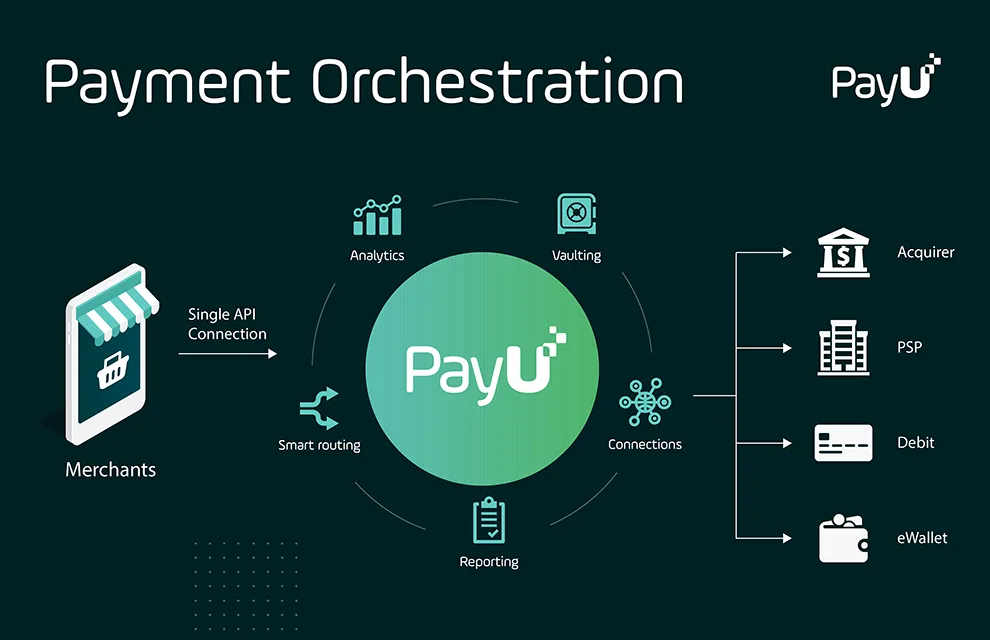
PayU is an international payment service company providing business with potent lending solutions and payment gateways. PayU has been helping small enterprises and big corporations in India with safe and reliable and innovative digital payment systems.
Key Contribution: Enhancement of cross border payments and safe payment gateways.
10. PolicyBazaar – Beyond Insurance Payments

Although PolicyBazaar is mainly an insurance aggregator, the innovations in its payment of premium collections and claims settlements have enhanced the way Indians purchase insurance and handle the insurance. It provides safe, open and fast policy management solutions.
Key Contribution: Making financial transactions in the insurance industry easier.
Why FinTech is Solving India’s Payment Challenges
The emergence of Fintech Startups India does not only include digital wallets or UPI apps. It is an even stronger economic transformation:
- Financial Inclusion: Startups such as BharatPe and ZestMoney are making underserved populations get access to credit and banking.
- Technological Adoptions: Transactions are increasingly becoming more secure and quicker with the adoption of such technologies as the Internet of Things, AI, and blockchain.
- Global Investments: With an increasing number of investors seeking to invest in startups, Indian fintech is receiving billions of venture capital.
- User-Centric Solutions: Gamified payments (CRED), secure business gateways (Razorpay), and so on, the sector focuses on convenience.
Opportunities in the FinTech Sector
The Indian payment ecosystem is on fire, due to government-led Digital India initiative, uptake of UPI, and rising smartphone penetration. The fintech area is one of the most profitable opportunities to investors who may be interested in investing in startups. As international market entrants begin to enter the market, Indian Fintech firms are not only resolving payment issues but also entering lending, wealth management and insurance technology.
Guided by Experts Like Arunangshu Das
As one goes through this dynamic ecosystem, mentorship is very important. In the industry, such experts as Arunangshu Das have been advising businesses and entrepreneurs to grasp the fintech opportunities, to scale their operations, and to make the right strategic decision. His knowledge has served to guide startups and investors to the right direction and the market trends, the optimal use of digital strategies, and achievement of competitive advantage in this rapidly expanding industry. His advice is a guide towards success to anybody who is interested in fintech or investing in startups.
Conclusion
Finance startups India is a solution-seeking initiative that is actively solving India’s payment challenges that include cash dependency, inaccessibility of credit, and more. It is Pay tam making millions of people go online, Razorpay assisting businesses and ZestMoney democratizing credit, these newer fintech startups in India are defining the financial future of the nation. It is not the end of the road as innovation, collaboration, and adopting technologies such as the Internet of Things, blockchain, and AI will introduce even greater disruption in the coming decade.
Frequently Asked Questions (FAQs)
Which is the leading fintech startup for UPI transactions in India?
Currently, PhonePe and Google Pay dominate the market share for UPI transactions. Among homegrown startups, PhonePe is a leader due to its seamless integration with utility payments and its massive user base in Tier 2 and Tier 3 cities.
How are fintech startups solving the problem of financial inclusion?
Fintechs like BharatPe and ZestMoney use alternative data and AI to provide credit and digital payment tools to individuals and small merchants who were previously ignored by traditional banks due to a lack of formal credit history.
What role does AI and Blockchain play in Indian Fintech?
AI is primarily used for risk assessment and fraud detection (as seen with ZestMoney), while Blockchain is being explored to make cross-border payments faster, more transparent, and highly secure by eliminating middle-man delays.
Why is Razorpay preferred by Indian businesses?
Razorpay is the top choice for businesses because it offers a “plug-and-play” payment gateway with secure APIs. It supports a wide range of payment methods including credit cards, UPI, and EMI, making it easy for startups to go live instantly.
Can I invest in these Indian fintech startups?
While many of these startups are privately held (funded by Venture Capital), some like Paytm (One97 Communications) are publicly traded on the Indian stock exchanges (NSE/BSE). For others, investors typically look at startup equity platforms or wait for future IPOs.
