


For any growing company, the shift from manual, time-consuming marketing tasks to streamlined, automated processes is a pivotal moment. Selecting the right marketing automation software is the catalyst for this transformation, enabling small and mid-sized businesses (SMBs) to compete with larger players by personalizing customer interactions, nurturing leads efficiently, and proving campaign ROI.
This guide explores the top 10 platforms that offer the perfect balance of power, usability, and value for SMBs. The ideal marketing automation software for small and mid-sized businesses is not merely a tool for sending emails; it is a centralized command center for managing customer journeys, scoring leads, and aligning sales and marketing efforts to drive sustainable growth.
Table of Contents
What Marketing Automation Software Does for SMBs
At its core, marketing automation software allows businesses to automate repetitive marketing actions—such as sending welcome emails, posting social media updates, or segmenting contacts—based on predefined triggers and user behavior.
For SMBs, the benefits are profound: it increases operational efficiency, ensures consistent prospect engagement, and delivers personalized experiences at scale.
Effective platforms help turn anonymous website visitors into known leads, nurture those leads with targeted content, and identify the hottest prospects for your sales team, ultimately shortening sales cycles and increasing customer lifetime value.
How to Evaluate the Right Marketing Automation Software for Your Business
Before exploring the top 10, consider these key criteria tailored for SMBs:
- Ease of Use: The platform should have an intuitive interface. Your team must be able to build campaigns without constant reliance on developers or extensive training.
- Scalability & Pricing: Pricing should be transparent and based on your number of contacts or email sends. Ensure the plan can grow with you without exorbitant cost jumps.
- Core Feature Set: Prioritize must-haves like email marketing, landing page builders, lead scoring, CRM integration, and basic analytics. Advanced AI features are a bonus but not always essential at the start.
- Integration Ecosystem: The software must connect seamlessly with your existing tools (e.g., website CMS, CRM, payment processor, social platforms) to create a unified tech stack.
The Top 10 Marketing Automation Software for Small & Mid-Sized Businesses
Here is a curated list of leading platforms, each with unique strengths to match different SMB needs.
1. HubSpot Marketing Hub
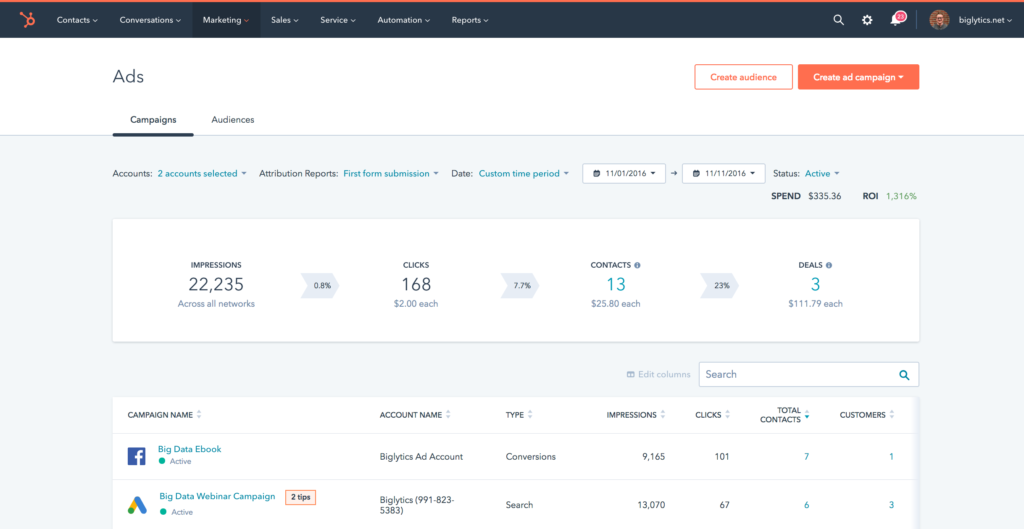
Best For: All-in-one inbound marketing.
HubSpot is synonymous with inbound marketing. Its free CRM is the foundation, and its Marketing Hub offers robust automation, email marketing, landing pages, and analytics. Its user-friendly interface and educational resources make it a favorite for SMBs starting their automation journey, though premium features can become costly.
2. ActiveCampaign
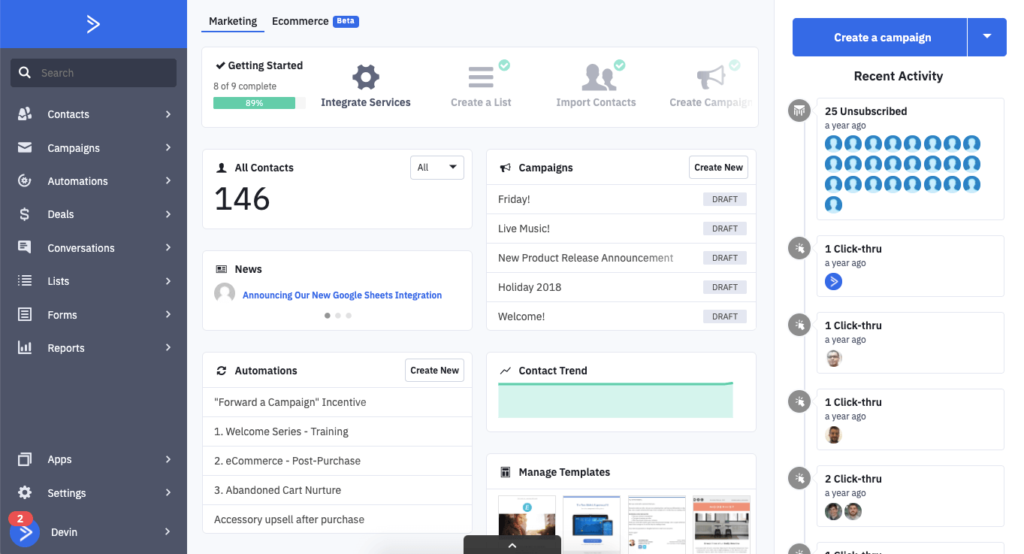
Best For: Advanced automation and CRM power.
ActiveCampaign combines sophisticated marketing automation with a built-in CRM at a competitive price. It excels in creating complex, conditional automation workflows based on deep customer data and behavior. Its site tracking and machine learning predictions for lead scoring are standout features for data-driven SMBs.
3. Mailchimp
Best For: Ease of use and creative freedom.
Originally an email giant, Mailchimp has evolved into a full-scale marketing platform. It’s renowned for its intuitive design, excellent email builder, and AI-powered creative tools. Its automation features, while not as deep as some, are perfect for SMBs focused on beautiful email campaigns, social posting, and basic customer journeys.
4. Keap (Formerly Infusionsoft)
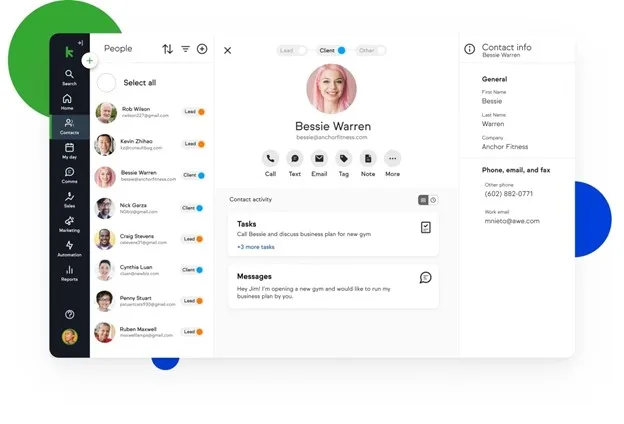
Best For: Sales-focused small businesses and solopreneurs.
Keap is designed to help small businesses close more leads. It emphasizes CRM and sales pipeline automation alongside marketing features. Its strength lies in automating follow-ups, appointment scheduling, and client management, making it ideal for service-based businesses like consultants, agencies, and freelancers.
5. Brevo (formerly Sendinblue)
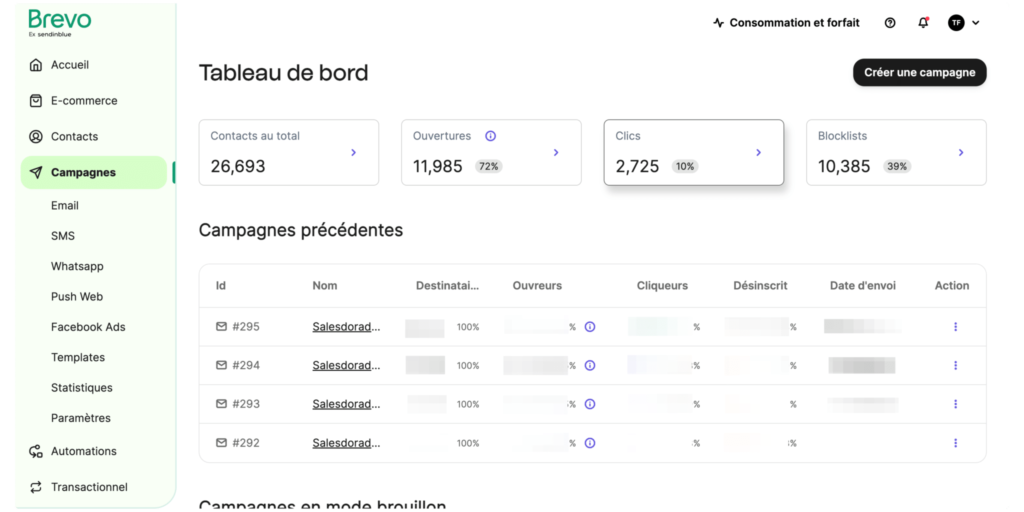
Best For: High-volume email and SMS on a budget.
Brevo offers a compelling suite—marketing automation, SMS campaigns, live chat, and a transactional email service—at very affordable, scalable pricing. Its automation builder is visual and straightforward, making it an excellent value-driven choice for SMBs that prioritize email and SMS outreach.
6. ConvertKit
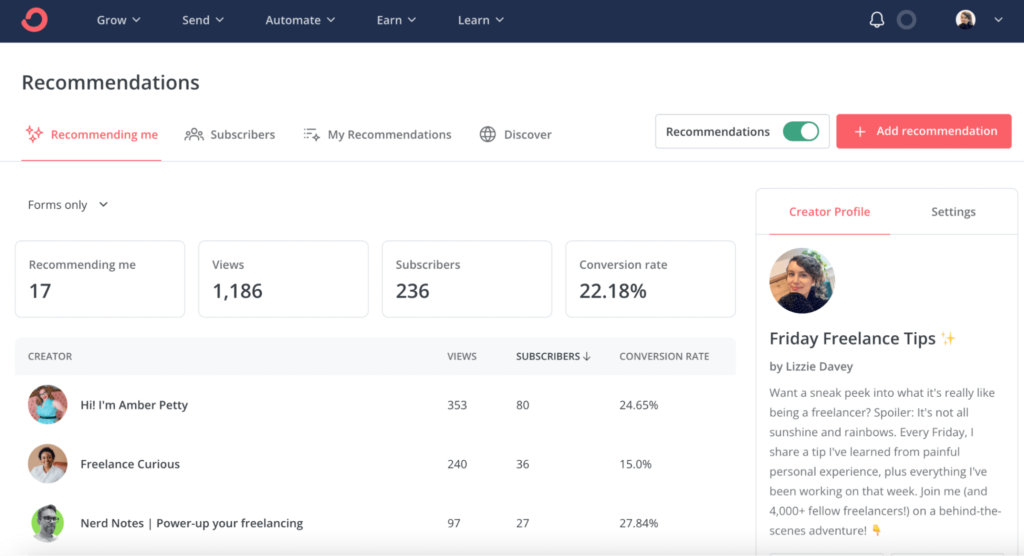
Best For: Creators, bloggers, and content-based businesses.
Built specifically for digital creators, ConvertKit simplifies email marketing and automation for audience growth. It features intuitive visual automations, customizable landing pages, and powerful subscriber tagging to segment audiences based on content engagement, making monetizing an audience seamless.
7. GetResponse
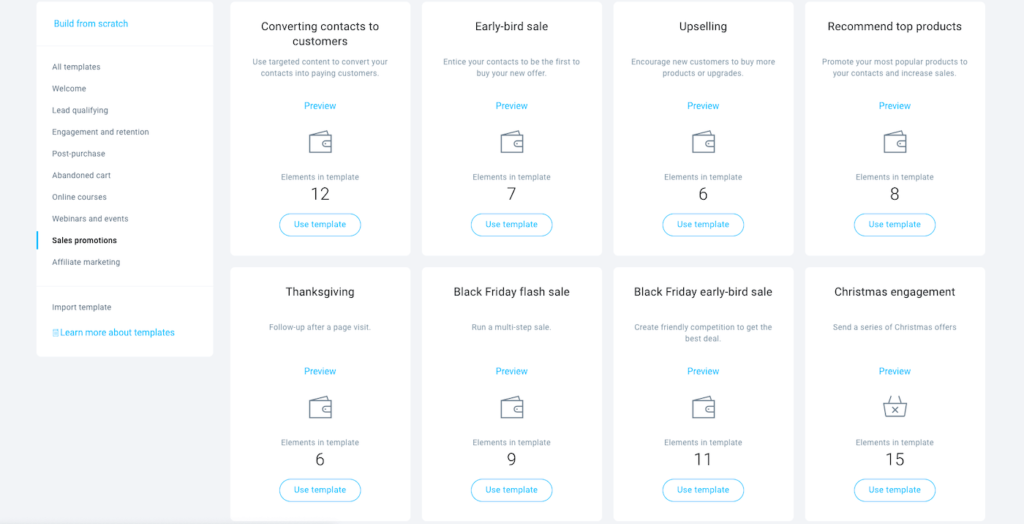
Best For: All-in-one platform with webinar capabilities.
GetResponse goes beyond standard automation by incorporating a built-in webinar solution. This makes it a powerful, consolidated tool for SMBs that use webinars for lead generation and nurturing. It also includes email marketing, landing pages, and a website builder.
8. Pardot (by Salesforce)
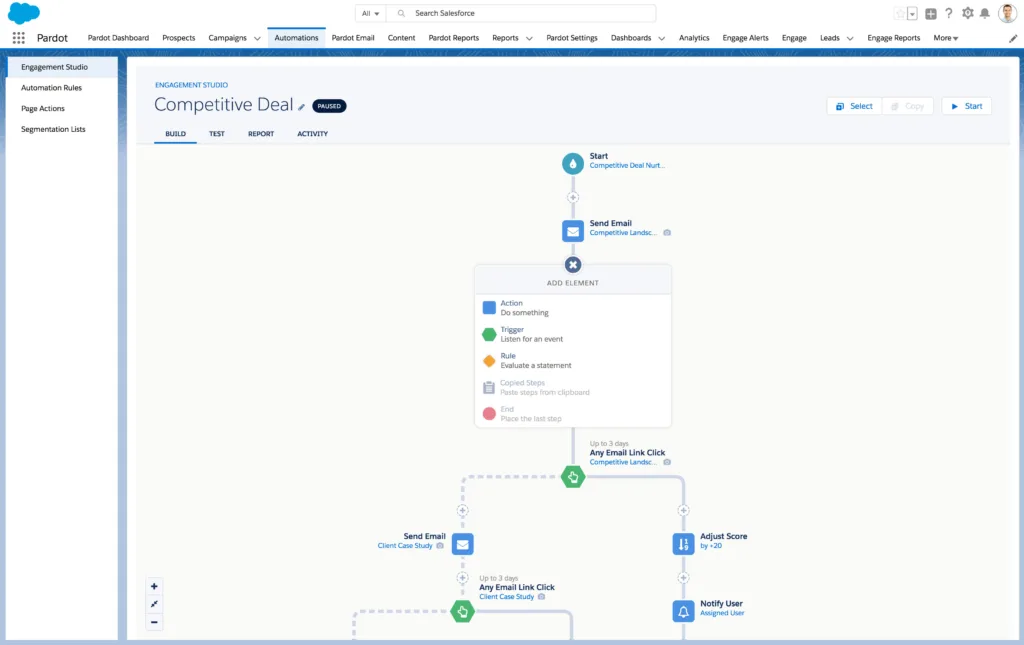
Best For: Mid-sized businesses integrated with Salesforce.
Now called “Marketing Cloud Account Engagement,” Pardot is Salesforce’s B2B marketing automation solution. It is a robust, enterprise-grade platform that becomes a natural and powerful choice for mid-sized businesses already using or planning to use Salesforce CRM for sales management.
9. Customer.io
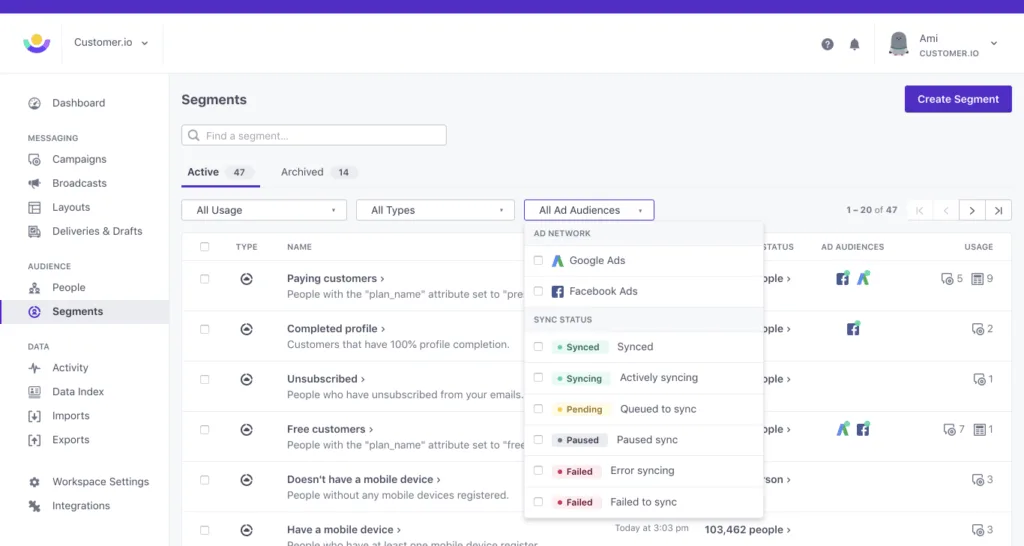
Best For: Tech-savvy teams wanting data-driven, personalized journeys.
Customer.io is built for companies that want to leverage their first-party data for highly personalized messaging across email, push, SMS, and in-app channels. It requires more technical setup but offers unparalleled flexibility for SMBs with development resources to craft unique behavioral-based campaigns.
10. Zoho Marketing Automation
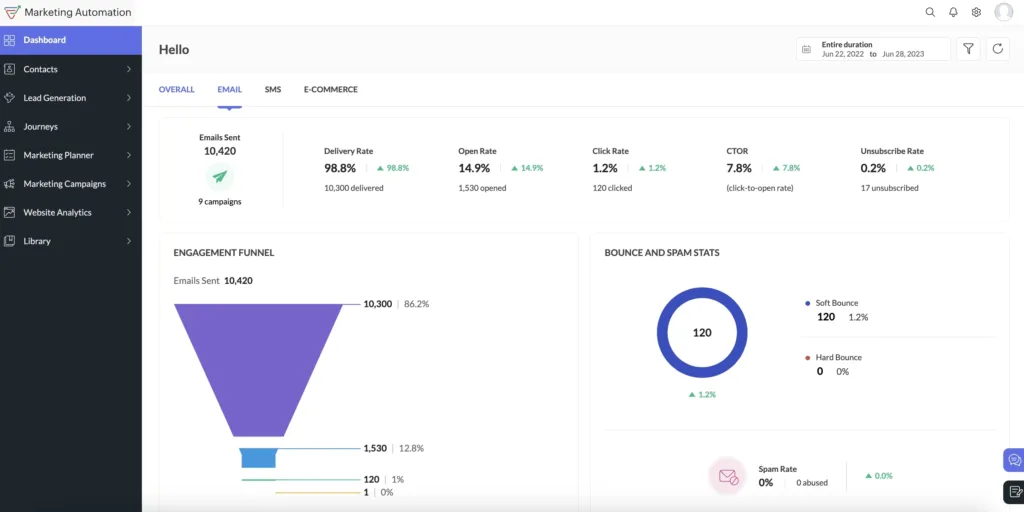
Best For: Businesses deep in the Zoho ecosystem.
Part of the extensive Zoho suite, this platform integrates flawlessly with Zoho CRM and other Zoho apps. It offers comprehensive automation, lead scoring, and multichannel campaign management. It’s a cost-effective and efficient choice for SMBs already committed to the Zoho ecosystem.
Implementing Your Chosen Marketing Automation Software
Selecting your platform is the first step. Successful implementation requires a clear plan:
- Define Goals & Map Journeys: Start by outlining your primary goal (e.g., increase lead conversion) and map a simple customer journey (e.g., website download → thank you email → nurture sequence → sales alert).
- Clean & Import Data: Clean your contact list before importing. Segment contacts based on where they are in the buyer’s journey.
- Start Simple: Automate a welcome series or a post-purchase follow-up before attempting complex, multi-branch workflows.
- Test & Iterate: Rigorously test every automation. Analyze performance metrics regularly and optimize based on what the data tells you.
Conclusion
Investing in the right marketing automation software is a strategic decision that pays dividends in efficiency, insight, and revenue growth for small and mid-sized businesses. The key is to align the platform’s strengths—whether it’s HubSpot’s inbound framework, ActiveCampaign’s advanced workflows, or Brevo’s cost-effective multichannel approach—with your specific business model, goals, and team capabilities.
By starting with a clear strategy and a focus on foundational automation, your SMB can harness the power of these tools to build stronger customer relationships and drive scalable growth.
Frequently Asked Questions (FAQs)
Q1: What is the typical cost of marketing automation software for an SMB?
Costs vary widely. Entry-level plans for basic email automation can start from $0-$50/month. More robust platforms with CRM, advanced workflows, and higher contact limits typically range from $50-$500/month. Always consider the total cost of ownership, including potential costs for added contacts, features, or integrations.
Q2: How long does it take to set up and see results from marketing automation?
Initial setup and integration can take a few weeks. Building your first automations (like a welcome series) can yield results in days to weeks by improving engagement. However, seeing a full impact on lead quality and sales pipeline velocity typically takes 3-6 months of consistent use, optimization, and data accumulation.
Q3: Can marketing automation work for a very small business or solopreneur?
Absolutely. Many platforms, like Keap, Mailchimp, and ConvertKit, are designed with solopreneurs and micro-businesses in mind. Automation is invaluable for automating client onboarding, sending nurture sequences to a small but growing list, and managing customer communication single-handedly, freeing up time for core business tasks.
Q4: What’s the biggest mistake SMBs make when starting with automation?
The most common mistake is “set and forget.” Businesses build an automation workflow and never review its performance or update it. The second biggest mistake is over-complicating early campaigns. Start with a single, simple workflow that solves a clear problem (e.g., following up with webinar attendees) and master it before expanding.
