


IoT in Remote Healthcare is changing how patients receive medical care and how healthcare professionals monitor health conditions outside traditional hospitals and clinics. Connected devices, sensors, wearable technology, and cloud-based platforms allow healthcare providers to collect and access patient information remotely.
Traditional healthcare often requires patients to visit hospitals or clinics for routine monitoring. While in-person consultations remain important, many health measurements can now be collected at home through connected devices. This can make healthcare more convenient while giving medical professionals access to more frequent health information.
One of the most important applications of healthcare IoT is remote patient monitoring. Connected blood pressure monitors, glucose monitoring devices, wearable ECG systems, pulse oximeters, and smartwatches can collect health data and transmit it to healthcare platforms.
As artificial intelligence, cloud computing, and faster connectivity continue to develop, IoT in Remote Healthcare is expected to become an increasingly important part of modern healthcare.
Table of Contents
What Is IoT in Remote Healthcare?
IoT in Remote Healthcare refers to the use of internet-connected medical devices and technologies to collect, transmit, and manage patient health information from locations outside traditional healthcare facilities.
These connected devices can monitor different health measurements depending on the patient’s needs. For example, a connected blood pressure monitor can record readings and send them to an authorized healthcare platform.
Similarly, wearable devices can collect information such as heart rate, physical activity, sleep patterns, or other health-related measurements.
The information collected by these devices can be stored in cloud platforms and made available to authorized healthcare professionals. This creates a continuous connection between patients and healthcare providers.
How IoT in Remote Healthcare Works?
The process typically involves several connected components.
1. Connected Medical Devices
Sensors and medical devices collect health information from patients. These can include blood pressure monitors, glucose monitors, pulse oximeters, wearable ECG devices, and other connected technologies.
2. Data Transmission
The collected information is transmitted through technologies such as Wi-Fi, Bluetooth, cellular networks, or other communication systems.
3. Cloud-Based Platforms
Healthcare platforms can store and organize the information received from connected devices. Authorized professionals can access the data through secure systems.
4. Data Analysis
Software can analyze health information and identify changes or unusual readings. In advanced systems, artificial intelligence can help process large amounts of data.
5. Healthcare Response
Healthcare professionals can review the information and determine whether further monitoring, communication, or medical evaluation is required.
This connected process is the foundation of modern healthcare IoT systems.
Key Applications of IoT in Remote Healthcare
There are several important ways IoT technology can support healthcare outside hospitals.
Remote Patient Monitoring
Remote patient monitoring is one of the most significant uses of IoT technology. Patients can use connected devices at home to regularly measure important health indicators.
For example, a patient may use a connected blood pressure monitor and automatically share readings with their healthcare provider.
This approach can provide healthcare professionals with more frequent information than occasional appointments alone.
Wearable Health Devices
Smartwatches and other wearable devices can monitor various health and activity measurements.
Depending on the device, patients may track heart rate, physical activity, sleep, oxygen levels, and other indicators.
Wearables can make health monitoring more convenient because patients can use them during everyday activities.
Chronic Disease Management
Patients with long-term health conditions may require frequent monitoring. Connected devices can help collect health information over extended periods.
Healthcare providers can use this information to understand trends and determine whether a patient’s measurements are changing.
This makes remote patient monitoring particularly useful for supporting ongoing healthcare management.
Medication Management
Connected medication systems can help patients remember when to take prescribed medicines. Smart pill dispensers can provide reminders and, depending on the system, notify caregivers if a scheduled dose is missed.
This can help improve medication routines for patients who manage complex treatment schedules.
Emergency Monitoring
Connected devices can sometimes detect unusual health measurements or events such as falls. Depending on the device and healthcare setup, alerts can be sent to caregivers or healthcare professionals.
Quick access to information can be valuable when a patient’s condition requires prompt attention.
Home-Based Healthcare
IoT technology can support healthcare services delivered directly in a patient’s home.
Patients recovering from illness, older adults, or people who require regular monitoring may be able to receive certain aspects of care without making frequent trips to healthcare facilities.
Benefits of IoT in Remote Healthcare
The adoption of IoT in Remote Healthcare offers several potential benefits.
Continuous Health Monitoring
Connected devices can collect information at regular intervals or continuously, depending on the technology.
This provides healthcare professionals with more data about a patient’s health over time instead of relying exclusively on measurements taken during appointments.
Greater Convenience for Patients
Patients can complete certain monitoring activities from home. This can reduce the need for some routine visits and make healthcare management more convenient.
Early Identification of Changes
Regular monitoring can help identify unusual changes in health measurements. Healthcare professionals can then determine whether additional assessment is necessary.
Better Chronic Care
Remote patient monitoring can make it easier to track long-term health conditions by providing regular information between appointments.
Improved Healthcare Efficiency
Connected systems can automate data collection and reduce some manual processes. Healthcare professionals can access information through digital platforms rather than relying entirely on paper-based records.
Personalized Care
Long-term health data can provide healthcare professionals with a broader understanding of individual patients. This information can support more personalized approaches to patient management when combined with clinical judgment.
Challenges of Healthcare IoT
Although healthcare IoT offers many opportunities, there are challenges that healthcare organizations must address.
Data Security and Privacy
Patient health information is highly sensitive. Connected healthcare systems must use appropriate security measures to protect information during collection, transmission, storage, and access.
Device Accuracy
The reliability of health information depends on the quality and accuracy of the devices being used. Medical monitoring devices need to be appropriately designed, maintained, and used.
Connectivity Problems
Remote healthcare depends on reliable connectivity. Poor internet or cellular coverage can interrupt the transmission of patient information.
Interoperability
Healthcare organizations often use systems and devices from different manufacturers. Making these technologies communicate effectively can be technically challenging.
Patient Training
Patients may need instructions on how to operate, charge, position, and maintain connected devices. Simple interfaces and proper support can improve adoption.
The Role of AI in IoT in Remote Healthcare
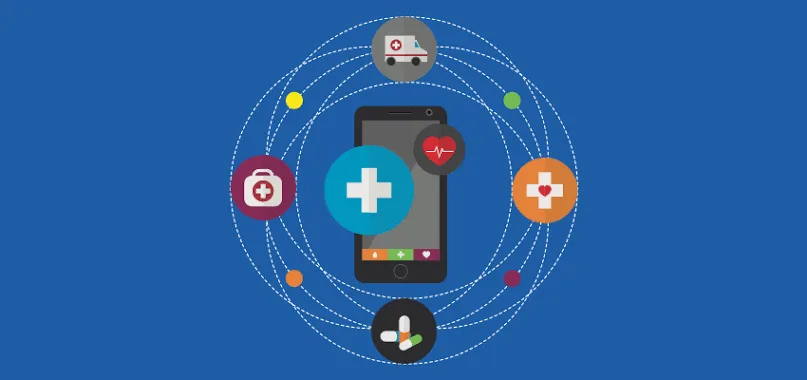
Artificial intelligence can make IoT in Remote Healthcare systems more useful by helping analyze the large amount of information generated by connected devices.
For example, AI-powered software can identify patterns in patient measurements and potentially highlight unusual changes for healthcare professionals to review.
Instead of requiring medical staff to manually examine every data point, intelligent systems can help prioritize information that may require attention.
However, AI should support—not replace—qualified healthcare professionals. Medical decisions require clinical expertise and consideration of the patient’s broader medical situation.
Future Trends in IoT in Remote Healthcare
The future of IoT in Remote Healthcare is likely to involve smaller sensors, improved wearable technology, better connectivity, and more advanced data analytics.
5G and other connectivity technologies may help connected devices transmit information more quickly and reliably. Wearable and implantable technologies could also become more sophisticated.
Another important trend is the integration of remote patient monitoring with electronic health records and digital healthcare platforms. Better integration could give healthcare professionals a more complete view of patient information.
Artificial intelligence and machine learning may also become increasingly important. Future systems could analyze health trends and provide more meaningful insights to healthcare teams.
As these technologies become more accessible, healthcare IoT could support a wider range of home-based healthcare services.
Conclusion
IoT in Remote Healthcare is transforming patient care by connecting people, medical devices, healthcare professionals, and digital platforms. Connected technologies can collect health information remotely and provide healthcare providers with valuable data between traditional appointments.
From remote patient monitoring and wearable devices to chronic disease management and home-based healthcare, IoT has applications across many areas of modern medicine.
However, healthcare organizations must address challenges involving data security, privacy, device accuracy, connectivity, interoperability, and patient adoption.
As artificial intelligence, 5G, wearable technology, and cloud computing continue to develop, healthcare IoT is likely to become even more integrated into everyday healthcare. By combining connected devices with professional medical expertise, healthcare providers can create more convenient, responsive, and data-driven approaches to patient monitoring.
FAQs
1. What is IoT in Remote Healthcare?
IoT in Remote Healthcare involves using internet-connected devices and sensors to collect and transmit patient health information outside traditional healthcare facilities. It can support monitoring, chronic disease management, and home-based healthcare.
2. How does IoT help with remote patient monitoring?
IoT allows connected medical devices to collect health information and transmit it to authorized healthcare professionals. This enables patients to be monitored remotely and can provide more frequent health data between appointments.
3. What are examples of healthcare IoT devices?
Examples include connected blood pressure monitors, glucose monitoring systems, pulse oximeters, wearable ECG devices, smartwatches, connected scales, and other medical sensors.
4. What is the future of IoT in remote healthcare?
Future developments are likely to include more advanced wearable devices, AI-powered analytics, improved connectivity, cloud-based healthcare platforms, and better integration with electronic health records.
