


IoT in Healthcare is transforming the way patients receive medical care and how healthcare providers monitor, diagnose, and manage health conditions. By connecting medical devices, wearable technology, hospital equipment, and healthcare software to the internet, healthcare organizations can collect and analyze real-time information more efficiently.
Traditional healthcare often relies on periodic checkups and manual monitoring. However, connected devices can continuously track important health information and share it with healthcare professionals. This can help doctors identify changes in a patient’s condition earlier and make more informed decisions.
From remote patient monitoring and wearable devices to smart hospitals and connected medical equipment, healthcare IoT has become an important part of digital healthcare. As technologies such as artificial intelligence, cloud computing, and 5G continue to develop, the role of IoT in healthcare is expected to expand even further.
Table of Contents
What Is IoT in Healthcare?
IoT in Healthcare refers to the use of connected devices and sensors to collect, transmit, and analyze health-related data. These devices can communicate through the internet and provide healthcare professionals with valuable information without requiring every process to be performed manually.
Examples include smartwatches that monitor heart rate, connected glucose monitors, smart hospital beds, wearable fitness trackers, and remote patient monitoring systems.
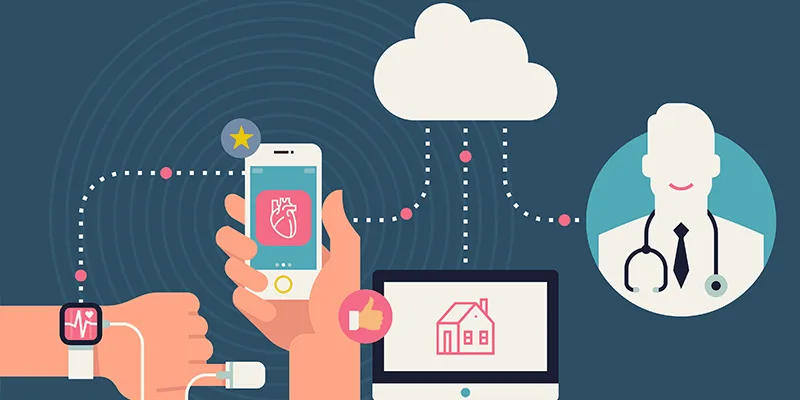
The basic process is relatively simple. A device collects information, sends it through a network, and stores or analyzes the information using healthcare software or cloud platforms. Doctors and other healthcare professionals can then use the information to support patient care.
This connectivity is one of the main reasons healthcare IoT is becoming increasingly important in modern medical systems.
How Does IoT in Healthcare Work?
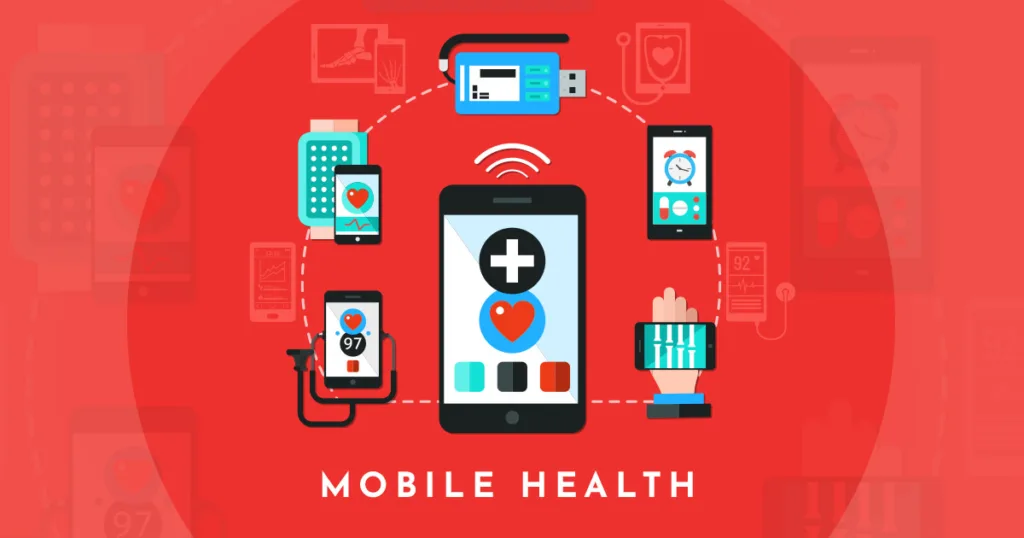
An IoT-based healthcare system generally includes several components.
Connected Devices and Sensors
Sensors collect information such as heart rate, blood pressure, body temperature, blood glucose levels, oxygen saturation, or movement.
Internet Connectivity
The collected information is transmitted through technologies such as Wi-Fi, Bluetooth, cellular networks, or 5G.
Cloud Platforms
Cloud systems can store large amounts of medical information and make it accessible to authorized healthcare professionals.
Data Analytics
Software can analyze collected information and identify patterns, unusual readings, or changes that may require attention.
Healthcare Professionals
Doctors, nurses, and other professionals can use the information to monitor patients, support diagnosis, and make healthcare decisions.
This connected process allows IoT applications in healthcare to provide continuous information instead of relying only on occasional measurements.
Major IoT Applications in Healthcare
There are many ways healthcare organizations and patients can use connected technology.
1. Remote Patient Monitoring
Remote patient monitoring is one of the most important IoT applications in healthcare. Connected devices can collect health information from patients at home and send it to healthcare professionals.
For example, a patient with a chronic condition may use a connected device to regularly measure blood pressure or blood glucose. Healthcare providers can review the information remotely and identify unusual changes.
This can reduce the need for unnecessary hospital visits while allowing patients to remain under continuous observation.
2. Wearable Health Devices
Smartwatches, fitness trackers, and specialized medical wearables can monitor various health metrics.
Depending on the device, users may be able to track heart rate, physical activity, sleep patterns, oxygen levels, and other measurements.
Wearable technology can give people greater awareness of their health and can provide healthcare professionals with additional information when integrated into clinical systems.
3. Smart Hospital Equipment
Hospitals contain thousands of medical devices and pieces of equipment. IoT technology can help healthcare organizations track and manage these resources.
Connected systems can monitor equipment locations, usage, maintenance schedules, and availability.
For example, hospitals can use connected tracking systems to quickly identify where important equipment is located. This can improve operational efficiency and reduce the time staff spend searching for devices.
4. Connected Medication Management
IoT can also help improve medication management. Smart pill dispensers and connected medication systems can remind patients when they need to take their medicines.
Some systems can notify caregivers or healthcare professionals when a scheduled dose is missed.
This can be particularly useful for patients who take multiple medications or require regular treatment schedules.
5. Chronic Disease Management
Managing chronic diseases often requires regular monitoring. Connected devices can collect health information over extended periods and provide healthcare professionals with more data about a patient’s condition.
Instead of relying only on information collected during appointments, doctors may be able to review trends between visits.
This is another valuable example of how healthcare IoT can support long-term patient management.
6. Emergency Response
Connected medical devices can help detect potentially serious health events and trigger alerts.
For example, wearable devices may detect unusual heart activity or falls and notify designated contacts or healthcare services, depending on the system.
Faster access to information can be valuable during emergencies where timely intervention is important.
Benefits of IoT in Healthcare
The growth of IoT in Healthcare provides several potential benefits for patients, doctors, and healthcare organizations.
Continuous Patient Monitoring
Connected devices can collect health information continuously or at regular intervals. This can give healthcare professionals a more complete picture of a patient’s condition.
Improved Patient Care
Real-time information can help healthcare providers make better-informed decisions. In some situations, early detection of unusual readings may allow medical professionals to respond sooner.
Reduced Hospital Visits
Remote monitoring can allow certain patients to receive healthcare support without visiting a hospital or clinic for every measurement.
Better Operational Efficiency
Hospitals can use connected systems to monitor equipment, manage resources, automate processes, and improve workflows.
Personalized Healthcare
The large amount of data generated by connected devices can help healthcare professionals better understand individual patients and potentially develop more personalized care strategies.
Cost Savings
Automation, remote monitoring, and improved resource management may help healthcare organizations reduce certain operational costs over time.
Challenges of IoT in Healthcare
Although IoT applications in healthcare offer significant opportunities, there are also important challenges.
Data Security and Privacy
Healthcare information is highly sensitive. Connected devices and healthcare systems must use strong security measures to protect patient information from unauthorized access.
Device Compatibility
Healthcare organizations may use equipment from many different manufacturers. Ensuring that these systems can communicate with each other can be challenging.
Internet Connectivity
IoT devices depend on reliable connectivity. Poor network coverage can affect the transmission of health information.
Data Management
Connected devices can generate huge amounts of information. Healthcare organizations need effective systems to store, process, and interpret this data.
Implementation Costs
Setting up connected medical devices, software, networks, and security systems can require significant investment, particularly for smaller healthcare organizations.
Future Trends in IoT in Healthcare
The future of IoT in Healthcare will likely involve greater integration with artificial intelligence, machine learning, cloud computing, robotics, and 5G connectivity.
Artificial intelligence can help analyze large volumes of health data and identify patterns that may otherwise be difficult to detect. This could make connected healthcare systems more intelligent and responsive.
5G networks may also support faster communication between connected devices, particularly in environments where large amounts of data need to be transmitted quickly.
Another emerging trend is the development of smart hospitals. These facilities can use connected systems to automate building management, track equipment, monitor patients, and improve hospital workflows.
As wearable and implantable technologies continue to develop, healthcare IoT may also become more integrated into everyday healthcare rather than being limited to hospitals and clinics.
Conclusion
IoT in Healthcare is changing modern healthcare by connecting medical devices, wearable technology, hospital equipment, and digital platforms. These technologies can provide real-time health information, support remote monitoring, improve hospital operations, and help healthcare professionals make more informed decisions.
The applications range from wearable health devices and chronic disease management to smart hospitals, medication management, and emergency response systems. However, healthcare organizations must address challenges involving privacy, security, interoperability, connectivity, and implementation costs.
As artificial intelligence, 5G, cloud computing, and other technologies continue to develop, IoT applications in healthcare are likely to become more advanced. The combination of connected devices and intelligent data analysis could play an increasingly important role in creating more efficient, personalized, and accessible healthcare systems.
FAQs
1. What is IoT in Healthcare?
IoT in Healthcare is the use of internet-connected devices, sensors, and software to collect, transmit, and analyze health-related information. It can be used for patient monitoring, medical equipment management, medication reminders, and many other healthcare applications.
2. What are the main applications of IoT in healthcare?
Major applications include remote patient monitoring, wearable health devices, smart hospital equipment, medication management, chronic disease monitoring, emergency response, and healthcare asset tracking.
3. What are the benefits of healthcare IoT?
Healthcare IoT can support continuous patient monitoring, improve operational efficiency, reduce unnecessary hospital visits, support personalized care, and provide healthcare professionals with more real-time information.
4. What is the future of IoT in healthcare?
The future of IoT in healthcare is expected to involve stronger integration with artificial intelligence, machine learning, 5G, cloud computing, robotics, and advanced wearable devices. These technologies could make connected healthcare systems more intelligent and efficient.
