


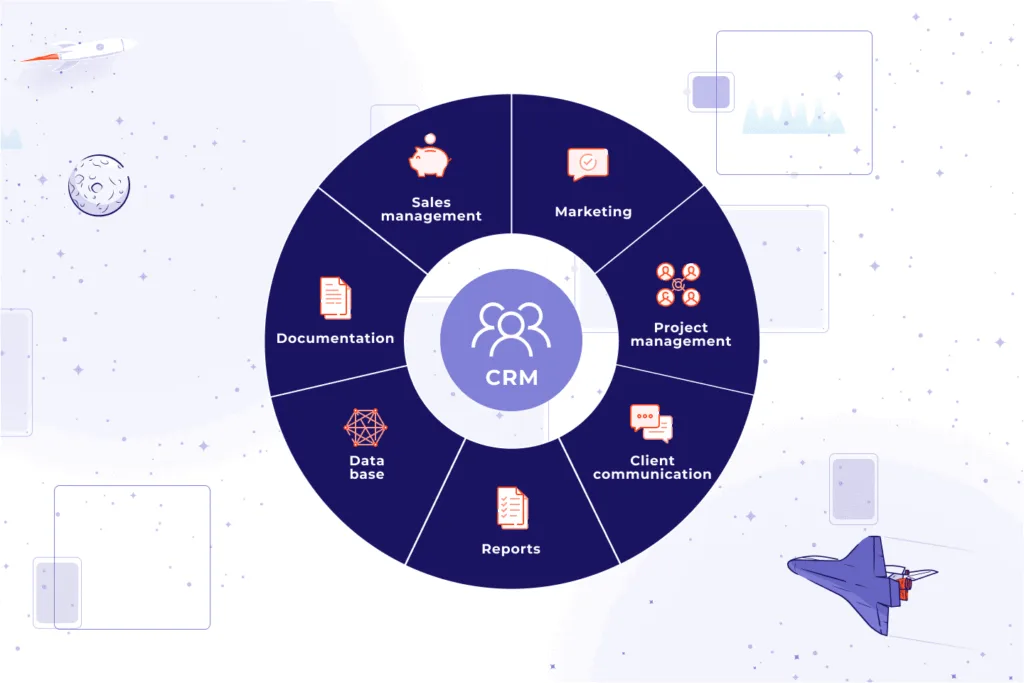
SaaS CRM (Software-as-a-Service Customer Relationship Management) has fundamentally reshaped how businesses attract, engage, and retain customers. Unlike the legacy systems of the past that required expensive hardware installations and complex IT management, a modern SaaS CRM is a cloud-based platform accessed entirely over the internet via subscription.
This shift isn’t just about technology—it’s about delivering a more agile, data-driven, and collaborative approach to managing the entire customer lifecycle. This article explores what a SaaS CRM is, its core benefits and features, and practical use cases that demonstrate its transformative power for businesses of all sizes.
Table of Contents
Understanding the SaaS CRM Model
At its essence, a SaaS CRM is a centralized hub for all customer-related data and interactions, hosted and maintained by a third-party vendor in the cloud. Users log in through a web browser or mobile app, with the provider handling all updates, security, and infrastructure.
This model stands in stark contrast to on-premise CRM solutions, which are installed locally on a company’s own servers. The CRM software SaaS approach eliminates large upfront capital expenditures, turning CRM into an operational expense with predictable, periodic billing.
The agility of this model is its greatest strength. Because the software is delivered as a service, new features, security patches, and compliance updates are rolled out automatically by the vendor. This ensures all users are always on the latest, most secure version without any disruptive or costly manual upgrades required from the customer’s IT team. The focus shifts from software maintenance to leveraging the tool for business growth.
Key Benefits of Adopting a SaaS CRM
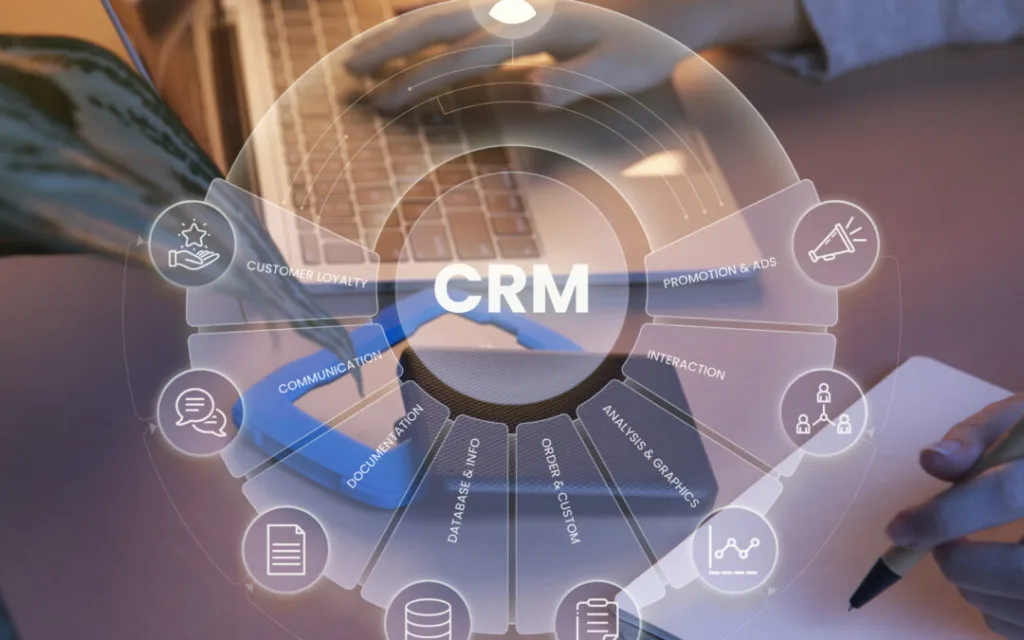
The move to a cloud-based CRM SaaS software platform delivers a compelling array of advantages that drive efficiency and revenue.
- Rapid Deployment and Lower Cost of Entry: Implementation can often be measured in weeks, not months or years. With no hardware to procure and no complex software to install, teams can be onboarded and operational quickly. The subscription model also dramatically lowers the initial cost barrier.
- Unmatched Accessibility and Collaboration: Being cloud-native, a SaaS CRM can be accessed from any device with an internet connection. This empowers remote and field sales teams, enables customer service to have context anywhere, and breaks down data silos between marketing, sales, and service departments for a unified customer view.
- Inherent Scalability and Flexibility: As a business grows, its CRM software SaaS can grow with it. Adding new users, increasing data storage, or accessing more advanced features is typically a simple configuration change handled by the provider’s scalable cloud infrastructure. This flexibility also extends to contracting, with the ability to adjust subscription tiers as needs evolve.
- Enhanced Security and Reliability: Reputable SaaS CRM vendors invest heavily in enterprise-grade security—often far beyond what a single company could afford. This includes data encryption, regular backups, robust physical security at data centers, and adherence to major compliance standards (like GDPR, SOC 2). Uptime is guaranteed through service level agreements (SLAs), ensuring the system is always available.
- Seamless Integrations and Innovation: Modern CRM SaaS software is built on open APIs, allowing it to connect effortlessly with a vast ecosystem of other business tools—from email and calendaring to accounting, marketing automation, and e-commerce platforms. This creates a centralized command center for all business operations.
Core Features of Modern SaaS CRM Platforms
While features vary by vendor, a robust SaaS CRM will typically include these core modules, all working from a single, shared customer database:
- Sales Force Automation (SFA): This is the engine for the sales team. It manages leads and contacts, tracks opportunities through a visual sales pipeline, automates quote and proposal generation, and provides forecasting tools. It eliminates manual tracking in spreadsheets and provides managers with real-time visibility into performance.
- Marketing Automation: This module helps attract and nurture leads. Features include email campaign management, lead scoring (to identify the hottest prospects), social media integration, and tracking campaign ROI. It ensures marketing efforts are directly tied to sales outcomes.
- Customer Service and Support: A SaaS CRM transforms support from a cost center to a loyalty driver. It powers case/ticket management, knowledge bases, service level agreement (SLA) tracking, and omnichannel support (integrating email, chat, phone, and social media inquiries into one queue).
- Analytics, Reporting, and Dashboards: Data is meaningless without insight. These tools turn raw customer data into actionable intelligence. Users can create custom reports and visual dashboards to track key metrics like sales growth, conversion rates, customer satisfaction (CSAT), and agent performance.
Real-World Use Cases for SaaS CRM
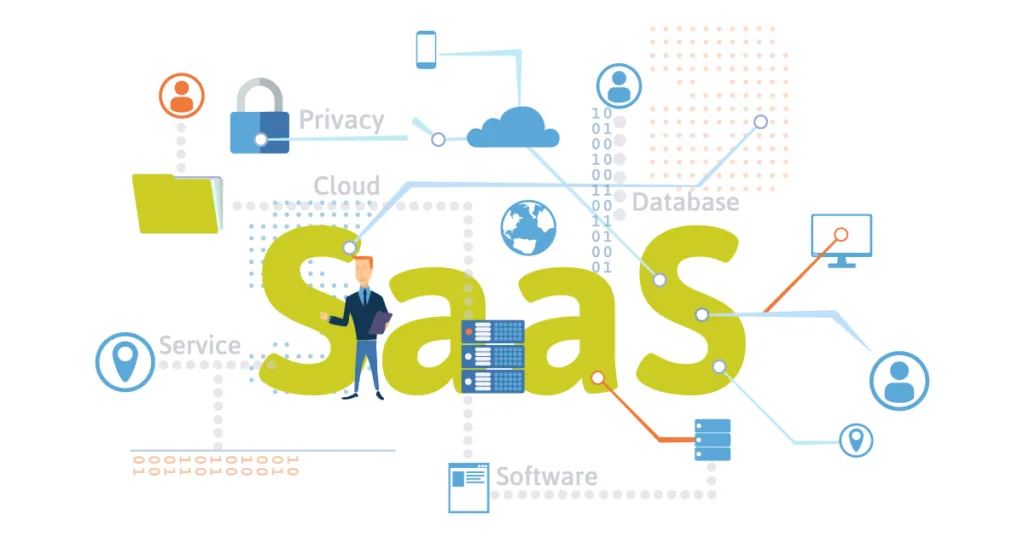
The versatility of CRM software SaaS allows it to solve critical business challenges across industries:
- For a Startup or Small Business: A small but growing company can use an affordable SaaS CRM to professionalize its operations from day one. It provides a system to track all customer interactions, ensures no lead falls through the cracks, and automates basic follow-ups, allowing a small team to punch above its weight.
- For a Mid-Market Company Scaling Operations: As a company expands, coordinating between departments becomes critical. Implementing a CRM SaaS software platform creates a “single source of truth.” Marketing can pass qualified leads to sales seamlessly, and the service team has full history before picking up a call, improving efficiency and customer experience during a high-growth phase.
- For Enterprise-Level Customer Experience Management: Large organizations use advanced SaaS CRM platforms to unify fragmented data from dozens of legacy systems. They leverage AI-powered analytics for predictive forecasting, deploy sophisticated marketing journeys, and use omnichannel service tools to deliver a consistent, personalized experience to thousands of customers at scale.
- For Industry-Specific Needs: Many SaaS CRM solutions offer vertical editions tailored for industries like real estate, financial services, or non-profits, with pre-built workflows, data fields, and compliance features that address unique regulatory and operational requirements.
Conclusion
SaaS CRM is more than just a digital rolodex; it is the strategic backbone of the modern customer-centric business. By offering a scalable, secure, and collaborative platform in the cloud, it democratizes powerful customer relationship tools for companies of every size.
The benefits of accelerated deployment, lower TCO (Total Cost of Ownership), and continuous innovation make the CRM software SaaS model not just a technological choice, but a smart business imperative. Whether the goal is to close more deals, launch targeted marketing campaigns, or deliver exceptional service, a well-implemented SaaS CRM provides the foundation for sustainable growth and lasting customer loyalty.
Frequently Asked Questions (FAQs)
1. How is a SaaS CRM different from an on-premise CRM?
The core difference lies in deployment and management. An on-premise CRM is installed on a company’s own local servers and managed by its internal IT team, requiring significant upfront capital and ongoing maintenance. A SaaS CRM is hosted in the vendor’s cloud, accessed via the internet on a subscription basis. The vendor handles all updates, security, and infrastructure, leading to faster deployment, lower initial costs, and automatic access to the latest features.
2. Is data secure in a cloud-based SaaS CRM?
Reputable CRM SaaS software providers invest in security that often surpasses what individual companies can achieve. They employ enterprise-grade measures like data encryption (at rest and in transit), regular security audits, strict physical data center controls, and compliance with international standards (e.g., GDPR, ISO 27001). It’s crucial, however, for businesses to review a vendor’s security certifications and data governance policies before selecting a platform.
3. Can a SaaS CRM integrate with our existing business tools (like email, accounting, etc.)?
Yes, seamless integration is a hallmark of modern CRM software SaaS. Most platforms are built with open APIs and offer pre-built connectors or app marketplaces for popular business tools such as Microsoft 365, Google Workspace, QuickBooks, Xero, Slack, and various marketing automation and e-commerce platforms. This allows you to create a connected tech stack where data flows automatically between systems, eliminating manual data entry and providing a holistic business view.
