


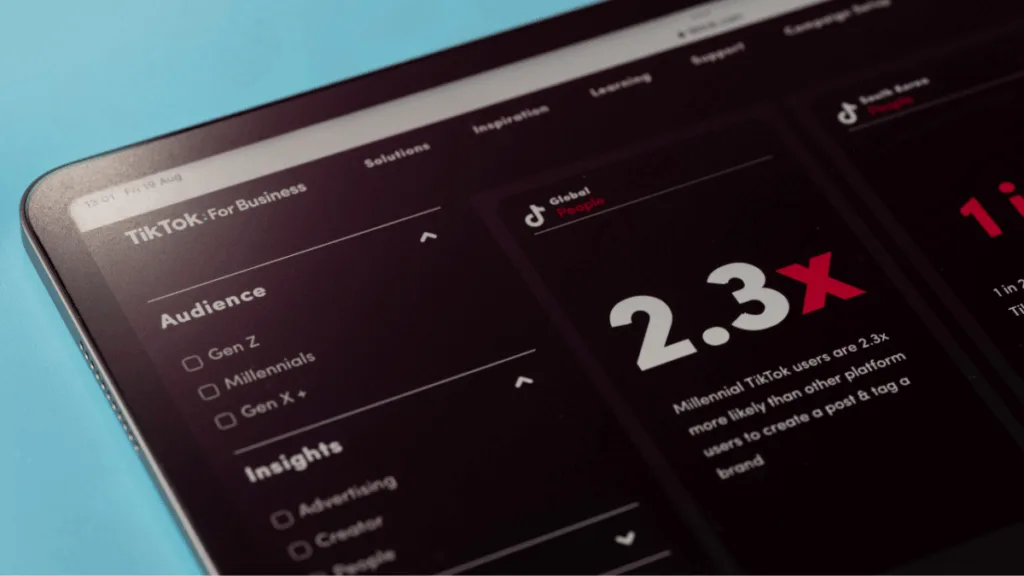
In the hyper-competitive arena of digital advertising, gaining an edge often means understanding what your competitors are doing before they fully capitalize on it. This is where ad spy tools become an indispensable part of a marketer’s arsenal.
These powerful platforms allow you to peer into the advertising strategies of brands across major networks, revealing their creative approaches, targeting tactics, and overall campaign structures. Whether you’re looking for inspiration, validating a hypothesis, or conducting thorough market research, leveraging the best ad spy tools for Facebook, Google, and TikTok ads can transform your campaigns from guesswork to data-driven strategy.
This guide will explore the top tools available, helping you select the right intelligence partner to decode winning ads and accelerate your own success.
Table of Contents
Understanding the Power of Ad Intelligence
Ad spy tools function as massive, searchable databases of live and historical advertisements. They use sophisticated technology to crawl and index millions of ads from social feeds, search results, and publisher networks.
This provides you with a window into your competitor’s playbook, offering insights that are otherwise invisible. Beyond mere curiosity, this competitive intelligence serves critical functions: it reveals emerging creative trends, identifies high-performing offers, uncovers new audience targeting angles, and helps you estimate competitor ad spend.
By analyzing what is already resonating in the market, you can significantly reduce your own testing budget and time-to-results, making your advertising spend more efficient and effective from the launch.
Top Ad Spy Tools for Facebook & Instagram Ads
Facebook’s dynamic ad ecosystem, which includes Instagram, is a primary focus for most spy tools. The platforms here are ideal for dissecting visual creative, copywriting hooks, and engagement strategies.
1. AdEspresso (by Hootsuite): While also a management platform, AdEspresso’s ad library tool offers a clean, intuitive way to search and filter Facebook and Instagram ads. Its strength lies in its integration with performance data, allowing you to sort ads by estimated engagement, providing a signal of what’s capturing attention. It’s an excellent starting point for marketers already within the Hootsuite ecosystem.
2. BigSpy: This tool offers a vast database with a generous free tier, making it accessible for those on a tight budget. You can filter ads by country, platform, language, and even specific page IDs. BigSpy tracks ad runtime, which is a strong indicator of a profitable campaign—ads that have been running for months are almost certainly successful.
3. AdLibrary (Meta’s Official Tool): A free and essential resource, Meta’s own Ad Library provides full transparency into all active ads related to politics, social issues, and all ads run by a specific Page. You can see every ad a competitor is currently running, its copy, creative, and launch date. While it lacks the analytical layers of paid tools, it is an unquestionable source of truth for current Facebook and Instagram ad activity.
Leading Tools for Google Ads Intelligence
Spying on search and display ads requires a different approach, focusing on keywords, ad copy variations, and landing page strategies. These tools specialize in peeling back the layers of Google’s search results.
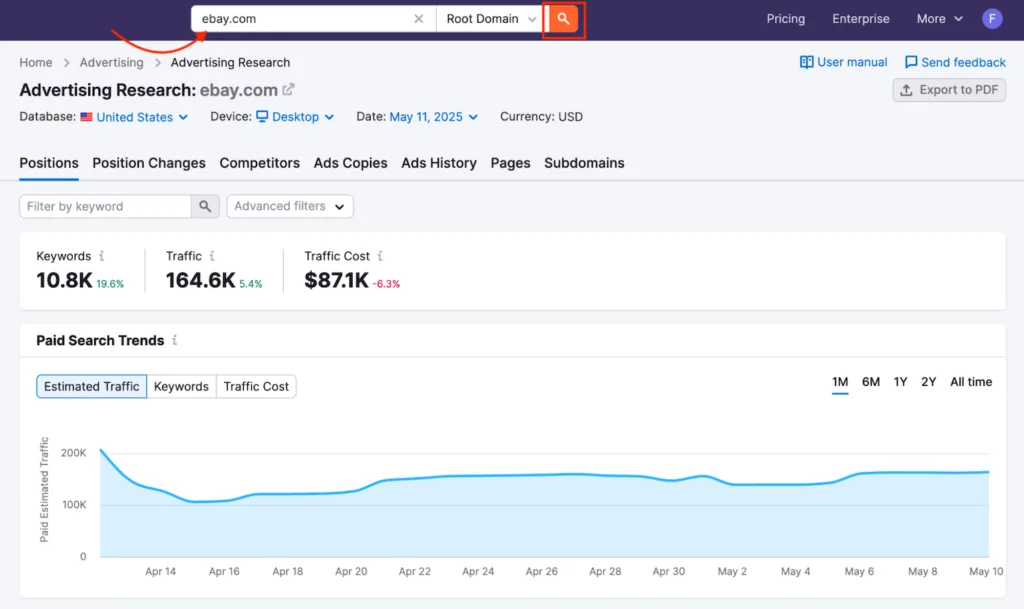
1. SEMrush Advertising Toolkit: Going beyond SEO, SEMrush offers a powerful suite for Google Ads research. You can see competitors’ estimated ad spend, their top-performing keywords, and the actual ad copies they are using for those terms. The ability to track changes in a competitor’s strategy over time makes it a powerhouse for strategic planning in paid search.
2. SpyFu: As the name suggests, SpyFu is a dedicated competitive intelligence platform for Google Ads (and SEO). Its core feature is the ability to uncover every keyword a competitor has ever bid on, every ad copy they’ve run, and their historical ranking data. The “Kombat” tool allows for side-by-side comparisons of multiple domains, which is invaluable for market analysis.
3. iSpionage: This tool provides clear insights into competitors’ paid search strategies, including keywords, ad copies, and budget estimations. It also offers landing page analytics, showing you where competitors are sending their traffic, which is a critical piece of the conversion puzzle often missed by other tools.
Essential Ad Spy Tools for TikTok Ads
TikTok’s unique, fast-paced format demands tools built specifically for its native style. Success here hinges on understanding viral trends, music, and raw, engaging creative.
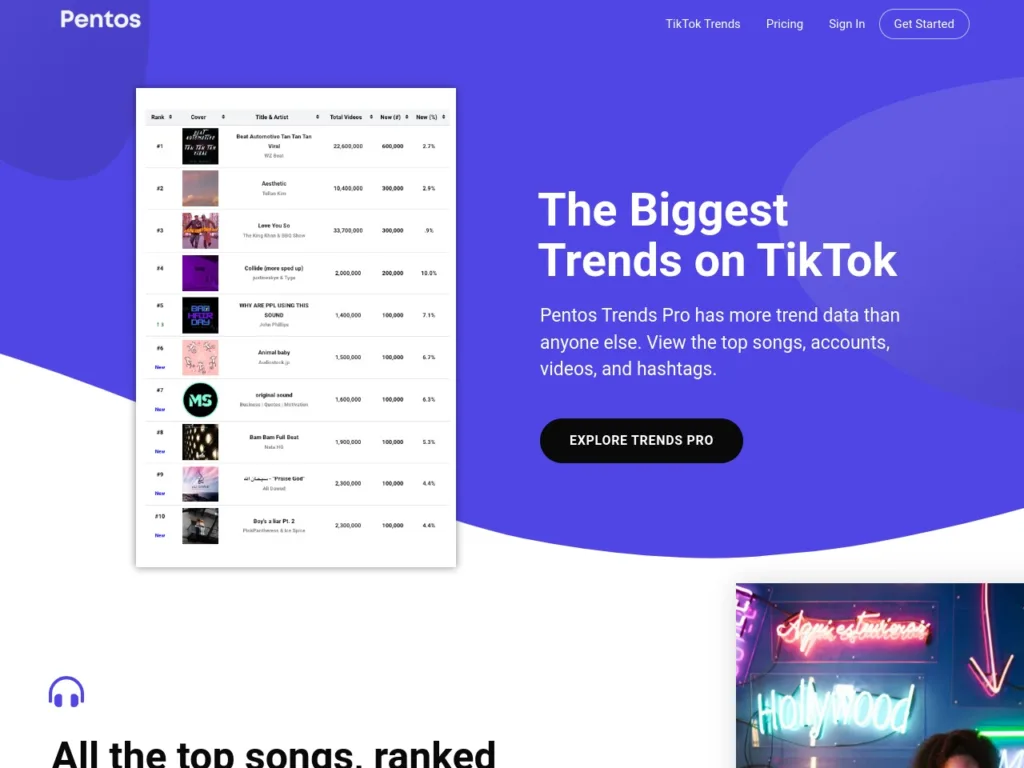
1. Pentos: Widely regarded as a leader for TikTok intelligence, Pentos tracks trending ads, influencers, songs, and hashtags. It allows you to dissect the exact elements of a top-performing TikTok ad, including its timeline of performance, estimated spend, and engagement metrics. This is crucial for mastering the platform’s organic-looking, trend-driven ad format.
2. TikFuel: This tool provides a comprehensive database of winning TikTok ads, searchable by niche, country, and time frame. A key feature is the ability to see the advertiser’s profile and other ads they are running, giving you a fuller picture of their campaign strategy and creative testing matrix.
3. AdMobiSpy: While covering multiple platforms, AdMobiSpy has a strong TikTok ads database. It’s particularly useful for e-commerce brands, as it excels at identifying popular product ads and tracking their performance over time, helping you spot winning products and creative angles in the D2C space.
Key Criteria for Choosing the Right Ad Spy Tools
Selecting the best ad spy tools for Facebook, Google, and TikTok ads depends on your specific needs and budget. Consider these factors:
- Platform Specialization: Does the tool excel on your primary network (e.g., Pentos for TikTok, SpyFu for Google)?
- Database Freshness & Size: How quickly are new ads indexed? Is the historical data deep enough for your analysis?
- Search and Filter Capabilities: Can you filter by country, date, ad format, keyword, or specific competitor pages?
- Insightful Metrics: Does it provide more than just the ad creative? Look for engagement estimates, runtime data, and spend approximations.
- Budget: Options range from free official libraries (Meta Ad Library) to premium enterprise suites. Start with trials to assess value.
Implementing Competitive Insights Ethically
The goal of using ad spy tools is inspiration and analysis, not outright theft. Use the insights to:
- Identify Patterns: What common hooks, visuals, or offers are winning in your niche?
- Spot Gaps: What are competitors not doing that you can capitalize on?
- Innovate: Use the intelligence as a springboard for your own, better creative ideas.
- The most successful advertisers use these tools to inform a unique strategy, not to create carbon copies.
Conclusion
In the data-driven world of online marketing, operating in a vacuum is a recipe for wasted spend. The best ad spy tools for Facebook, Google, and TikTok ads provide the market intelligence necessary to make informed, strategic decisions. By investing in the right tool for your primary platforms, you gain the superpower of foresight—understanding what works before you commit your full budget.
Start by exploring the tools mentioned, take advantage of free trials, and integrate competitive analysis into your regular workflow. The insights you uncover will not only save you money but will also become a consistent source of creative inspiration and tactical advantage.
Frequently Asked Questions (FAQs)
Q1: Are ad spy tools legal to use?
Yes, ad spy tools are legal. They aggregate and display information from ads that are already publicly available on the respective platforms (Facebook, Google, TikTok). They do not access private data or hack into accounts; they simply organize public information in a searchable, analytical way.
Q2: Can I rely solely on ad spy tools for my campaign strategy?
No, these tools should inform your strategy, not define it entirely. They are excellent for research, inspiration, and competitive intelligence, but your own brand voice, unique value proposition, and continuous A/B testing are irreplaceable. Use spy data as a hypothesis, then validate it with your own audience.
Q3: How often should I use these tools for effective research?
A consistent, scheduled approach works best. Many marketers set aside time weekly or bi-weekly to research new ads in their niche. It’s also crucial to conduct deep-dive analysis when entering a new market, launching a new product, or if your campaign performance suddenly drops, as the competitive landscape may have shifted.
Q4: What’s the biggest mistake marketers make when using ad spy tools?
The most common mistake is directly copying a competitor’s ad creative or angle. This often leads to poor performance, as you’re entering the same auction with a less authentic message. Furthermore, audiences may see identical ads from multiple brands. The goal is to analyze why an ad works and then adapt that underlying principle—be it a specific pain point, a visual style, or an offer structure—into your unique brand context.
