


In our increasingly digital world, it’s easy to forget that the internet has a very real, physical footprint. Utilizing green hosting can help mitigate the impact of data centers that power every website, email, and stream, which consume vast amounts of electricity and contribute significantly to global carbon emissions.
As awareness of this issue grows, a powerful shift is underway. For businesses and individuals who want to align their online presence with their environmental values, the rise of eco-friendly hosting offers a solution.
This comprehensive guide will explore what green hosting is, how it works, and why making the switch to an eco-friendly web host is a meaningful step toward building a more sustainable digital future.
What Exactly is Green Hosting?
At its core, green hosting is the practice of powering web servers and associated data centers with renewable energy sources, such as wind, solar, or hydroelectric power. The goal is to minimize the carbon footprint of a website’s operations.
Traditional data centers are enormous consumers of energy, not only to run the servers but also to power the extensive cooling systems required to keep them from overheating. This energy demand often comes from fossil fuels, making the internet a silent but substantial contributor to climate change.
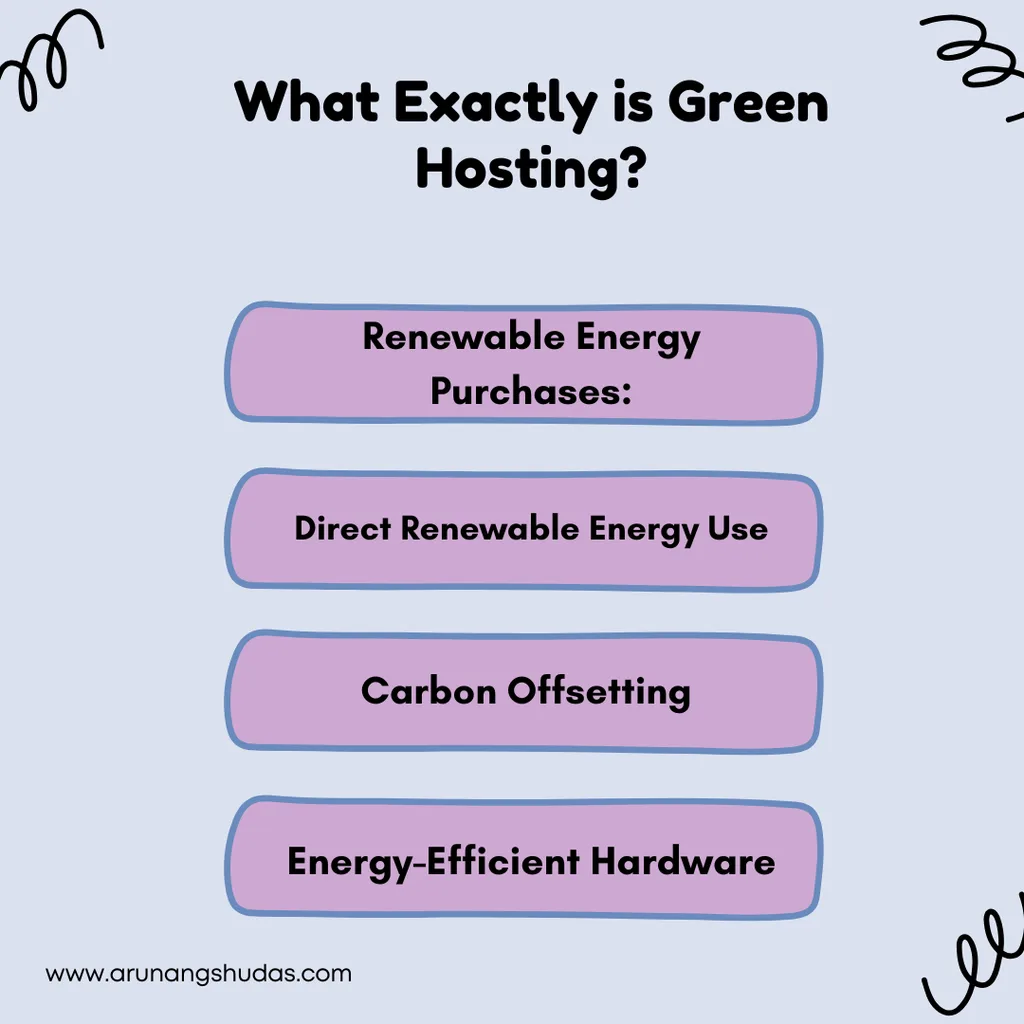
Eco-friendly web hosts combat this problem through several key methods:
- Renewable Energy Purchases: Many providers purchase Renewable Energy Certificates (RECs) or Guarantees of Origin (GOs). This means that for every megawatt-hour of electricity they consume from the grid, they invest in a megawatt-hour of renewable energy being produced elsewhere, effectively offsetting their carbon emissions.
- Direct Renewable Energy Use: Some leading green hosting companies go a step further by powering their data centers directly with on-site renewable sources, such as solar panels or wind turbines.
- Carbon Offsetting: In addition to or instead of renewable energy, some hosts invest in carbon offset projects, such as reforestation or methane capture initiatives, to neutralize their environmental impact.
- Energy-Efficient Hardware: Beyond power sources, eco-conscious providers use energy-efficient servers, optimize cooling techniques with advanced airflow management, and utilize server virtualization to maximize the use of each machine, reducing the total number of physical servers needed.
Why Your Website’s Hosting Choice Matters
You might wonder if one small website can truly make a difference. The answer is a resounding yes, for several reasons.
- Collective Impact: The internet is made of billions of websites. If a critical mass of site owners chooses green hosting, the collective reduction in carbon emissions becomes enormous. It creates market demand, encouraging more providers to invest in renewable infrastructure.
- Brand Identity and Values: Choosing an eco-friendly web host is a powerful statement. It demonstrates a commitment to sustainability that resonates with a growing base of environmentally conscious consumers. This can enhance your brand reputation, build customer loyalty, and even be a unique selling point.
- Future-Proofing Your Business: As governments worldwide implement stricter carbon regulations, businesses with a lower carbon footprint will be at a distinct advantage. Adopting sustainable practices now, including your digital operations, positions your business for long-term success.
How to Identify a Truly Eco-Friendly Web Host
With “green” becoming a popular marketing term, it’s crucial to look beyond the logo and the color scheme. Here are key factors to evaluate when choosing a green hosting provider:
Your Green Hosting Evaluation Checklist
- Transparency in Energy Sourcing: The best providers are transparent about how they achieve their eco-friendly status. Look for detailed information on their website about RECs, direct renewable energy use, or carbon offset partners. Vague claims like “we’re green” without substantiation should be a red flag.
- Energy Efficiency Certifications: Check if the host or their data center partners hold certifications like ENERGY STAR, LEED (Leadership in Energy and Environmental Design), or ISO 14001. These independent validations prove a genuine commitment to environmental management.
- Hardware and Infrastructure Policies: Inquire about their server technology. Do they use low-power processors? Do they practice server virtualization? How efficient are their cooling systems? A provider focused on sustainability will be proud to discuss these details.
- Commitment to Broader Sustainability: Look for a holistic approach. Do they have policies for e-waste recycling? Do they use efficient coding and caching to reduce server load? Some companies even donate a percentage of their profits to environmental causes.
Making the Switch to a Sustainable Web Presence
Transitioning to an eco-friendly web host is often as simple as migrating to any new provider. The process typically involves:
- Research and Selection: Use the checklist above to shortlist credible green hosting companies.
- Backing Up Your Website: Always create a full backup of your website files and databases from your current host.
- Signing Up and Migrating: Many eco-friendly hosts offer free migration services, making the switch seamless. If not, you can manually migrate your site or use a plugin.
- Updating Your DNS: The final step is pointing your domain name to the new host’s servers.
The minor effort involved in switching pales in comparison to the long-term environmental benefit. By choosing green hosting, you are actively voting for a cleaner, more responsible internet with your wallet.

Conclusion
The digital landscape does not have to be at odds with the natural world. Green hosting provides a viable and impactful path forward, allowing us to enjoy the benefits of the internet while taking responsibility for its environmental cost. By understanding what to look for and making a conscious choice, you can ensure that your corner of the web is powered sustainably. It’s a decision that benefits your brand, satisfies your audience, and, most importantly, contributes to the health of our planet.
Frequently Asked Questions (FAQs)
Q1: Is green hosting more expensive than traditional hosting?
Not necessarily. While there can be a slight premium due to the investment in renewable energy and efficient technology, the competitive market has made green hosting prices very comparable to conventional options. The cost difference, if any, is often minimal and a worthwhile investment for the planet.
Q2: How can I verify a host’s environmental claims?
Look for specific certifications and transparent reporting. Trustworthy providers will proudly display REC purchases, partnerships with carbon offset organizations like Carbonfund.org or NativeEnergy, or details about their on-site renewable energy sources. Be wary of vendors who are vague and cannot provide evidence.
Q3: Will switching to an eco-friendly web host affect my website’s performance?
No. Performance is determined by the quality of the server hardware, network infrastructure, and data center location, not its power source. Many green hosting providers use state-of-the-art, energy-efficient equipment that can actually offer superior performance and reliability compared to outdated servers in traditional data centers.
Q4: My current host isn’t green. What can I do besides switching?
While switching is the most impactful action, you can also reduce your site’s carbon footprint by optimizing its performance. Compress images, use a caching plugin, clean up your database, and remove unused code. A faster, more efficient website consumes less server energy, regardless of where it’s hosted.
