
Close Menu
Arunangshu Das Blog
  • SaaS Tools
    • Business Operations SaaS
    • Marketing & Sales SaaS
    • Collaboration & Productivity SaaS
    • Financial & Accounting SaaS
  • Web Hosting
    • Types of Hosting
    • Domain & DNS Management
    • Server Management Tools
    • Website Security & Backup Services
  • Cybersecurity
    • Network Security
    • Endpoint Security
    • Application Security
    • Cloud Security
  • IoT
    • Smart Home & Consumer IoT
    • Industrial IoT
    • Healthcare IoT
    • Agricultural IoT
  • Software Development
    • Frontend Development
    • Backend Development
    • DevOps
    • Adaptive Software Development
    • Expert Interviews
      • Software Developer Interview Questions
      • Devops Interview Questions
    • Industry Insights
      • Case Studies
      • Trends and News
      • Future Technology
  • AI
    • Machine Learning
    • Deep Learning
    • NLP
    • LLM
    • AI Interview Questions
    • All about AI Agent
  • Startup

Subscribe to Updates

Subscribe to our newsletter for updates, insights, tips, and exclusive content!

What's Hot

Metaverse Investments: Hype or Real Trading Opportunity?

September 18, 2025

9 Best Analytics Software for Startups and SaaS Companies

December 28, 2025

10 Benefits of Using Lightweight Development Solutions

February 17, 2025
X (Twitter) Instagram LinkedIn
Arunangshu Das Blog Thursday, May 14
  • Write For Us
  • Blog
  • Stories
  • Gallery
  • Contact Me
  • Newsletter
Facebook X (Twitter) Instagram LinkedIn RSS
Subscribe
  • SaaS Tools
    • Business Operations SaaS
    • Marketing & Sales SaaS
    • Collaboration & Productivity SaaS
    • Financial & Accounting SaaS
  • Web Hosting
    • Types of Hosting
    • Domain & DNS Management
    • Server Management Tools
    • Website Security & Backup Services
  • Cybersecurity
    • Network Security
    • Endpoint Security
    • Application Security
    • Cloud Security
  • IoT
    • Smart Home & Consumer IoT
    • Industrial IoT
    • Healthcare IoT
    • Agricultural IoT
  • Software Development
    • Frontend Development
    • Backend Development
    • DevOps
    • Adaptive Software Development
    • Expert Interviews
      • Software Developer Interview Questions
      • Devops Interview Questions
    • Industry Insights
      • Case Studies
      • Trends and News
      • Future Technology
  • AI
    • Machine Learning
    • Deep Learning
    • NLP
    • LLM
    • AI Interview Questions
    • All about AI Agent
  • Startup
Arunangshu Das Blog
  • Write For Us
  • Blog
  • Stories
  • Gallery
  • Contact Me
  • Newsletter
Home » Industry Insights » Future Technology » Future Technologies and Their Adaptability Across Programming Languages
Future Technology

Future Technologies and Their Adaptability Across Programming Languages

Arunangshu DasBy Arunangshu DasJuly 2, 2024Updated:July 11, 2025No Comments4 Mins Read
Facebook Twitter Pinterest Telegram LinkedIn Tumblr Copy Link Email Reddit Threads WhatsApp
Follow Us
Facebook X (Twitter) LinkedIn Instagram
Share
Facebook Twitter LinkedIn Pinterest Email Copy Link Reddit WhatsApp Threads

In technology, staying ahead of the curve means not just keeping up with current trends but also anticipating what lies ahead. Whether you’re a seasoned developer or just starting, understanding the future technologies that are adaptable across various programming languages can provide a significant advantage.

1. Quantum Computing

Overview: Quantum computing leverages the principles of quantum mechanics to perform computations that are infeasible for classical computers. It promises exponential speedups for certain problems, particularly in cryptography, optimization, and simulation.

Adaptability:

  • Languages: Python, C++, Q#, JavaScript
  • Tools and Libraries: Qiskit (Python), Quantum Development Kit (Q#), PennyLane (Python), ProjectQ (Python)

Impact: Quantum computing is still in its infancy, but it’s poised to revolutionize fields requiring immense computational power. Developers from various backgrounds can start exploring quantum algorithms using high-level languages like Python, making this cutting-edge technology more accessible.

1681234722438?e=2147483647&v=beta&t=pNQ28rWtta beMNV4UzdIxYg9HHVatt UWKouYA b08

2. Artificial Intelligence and Machine Learning

Overview: AI and ML have become integral to modern applications, from recommendation systems and natural language processing to autonomous driving and healthcare diagnostics.

Adaptability:

  • Languages: Python, R, Java, C++, Julia
  • Frameworks: TensorFlow (Python), PyTorch (Python), Scikit-learn (Python), MLlib (Java/Scala)

Impact: With AI and ML frameworks available in multiple languages, developers can integrate sophisticated models into applications, regardless of their primary language. This adaptability is critical as AI continues to drive innovation across industries.

1700996760468?e=2147483647&v=beta&t=4jalLTItkHBi6zxNJ52Emp

3. Blockchain and Decentralized Applications (DApps)

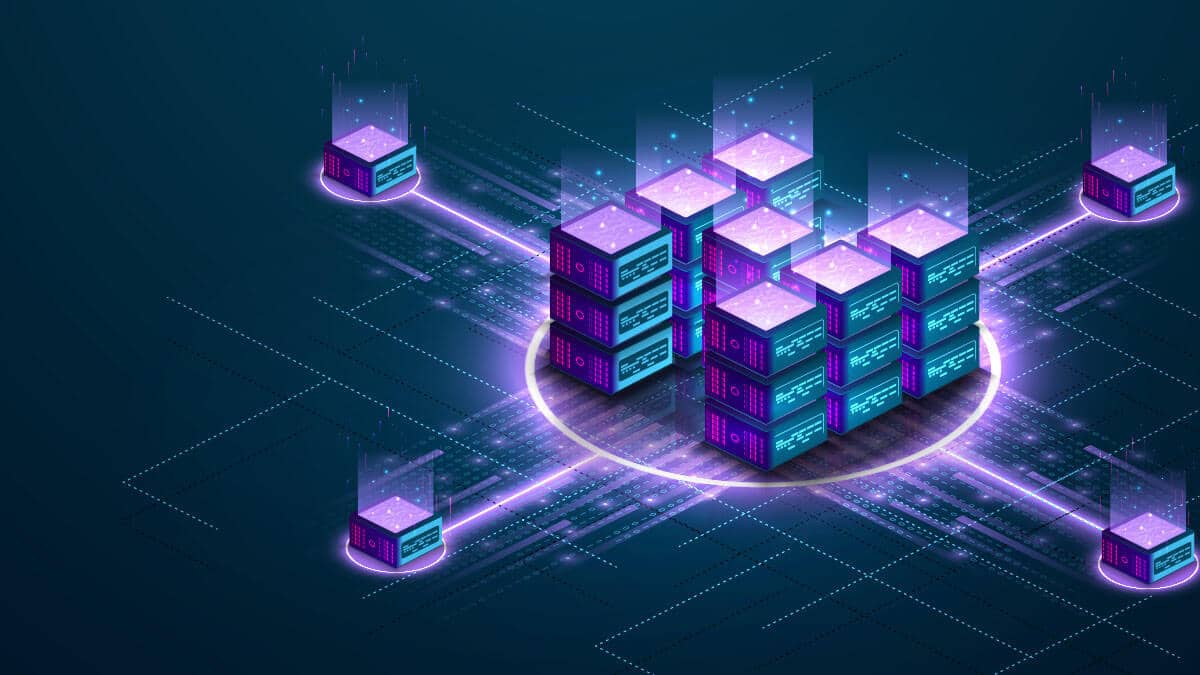
Overview: Blockchain technology underpins cryptocurrencies and enables secure, transparent, and decentralized record-keeping. DApps, built on blockchain, offer trustless and tamper-proof applications.

Adaptability:

  • Languages: Solidity (Ethereum), JavaScript, Go, Python, Rust
  • Platforms: Ethereum, Hyperledger, Polkadot, Binance Smart Chain

Impact: Blockchain’s potential extends beyond finance to sectors like supply chain, healthcare, and government. With support for multiple languages, developers can create smart contracts and DApps using tools they are familiar with.
what is blockchain 1

4. Internet of Things (IoT)

Overview: IoT connects everyday devices to the internet, allowing them to send and receive data. This interconnected ecosystem is transforming industries by enabling smarter environments and data-driven decision-making.

Adaptability:

  • Languages: C, C++, Python, JavaScript, Java
  • Platforms: Arduino (C/C++), Raspberry Pi (Python, C++), AWS IoT Core (JavaScript, Python)

Impact: IoT development involves a variety of languages depending on the hardware and application needs. From microcontroller programming in C/C++ to cloud-based data processing in Python or JavaScript, the versatility of IoT ensures wide-ranging adaptability.

2 1 1

5. Augmented Reality (AR) and Virtual Reality (VR)

Overview: AR and VR technologies create immersive experiences that blend digital and physical worlds. They are revolutionizing fields like gaming, education, training, and remote work.

Adaptability:

  • Languages: C#, C++, JavaScript, Python
  • Engines and Frameworks: Unity (C#), Unreal Engine (C++), A-Frame (JavaScript), Vuforia (C#, JavaScript)

Impact: With robust support across multiple languages and development environments, AR and VR are accessible to a broad spectrum of developers. These technologies offer new ways to engage users and create interactive experiences.

AR%20vs%20VR%20mindre 2

6. Edge Computing

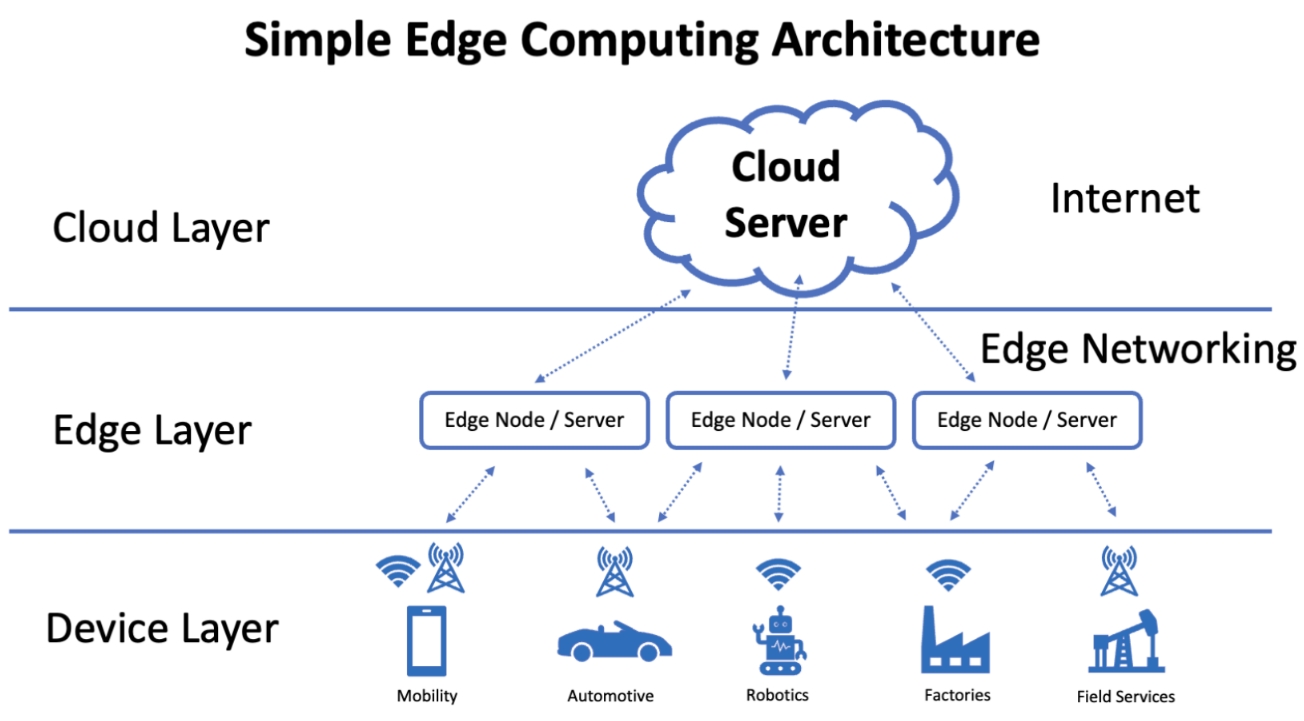
Overview: Edge computing processes data closer to the source of generation, reducing latency and bandwidth use. It’s crucial for applications requiring real-time responses, such as autonomous vehicles and industrial automation.

Adaptability:

  • Languages: Python, C++, JavaScript, Go
  • Platforms: AWS Greengrass (Python, C++), Azure IoT Edge (C#, JavaScript), EdgeX Foundry (Go)

Impact: By bringing computation to the edge, this technology supports the development of responsive and efficient applications. Its compatibility with various languages and platforms makes it a versatile choice for developers.
simple edge computing architecture

7. 5G Technology

Overview: 5G, the fifth generation of cellular networks, promises ultra-fast speeds, low latency, and massive connectivity. It’s a cornerstone for future innovations in IoT, AR/VR, and smart cities.

Adaptability:

  • Languages: Python, JavaScript, C, C++, Java
  • Frameworks and Tools: Network slicing tools, 5G protocol stacks (Python, C++)

Impact: 5G’s advanced capabilities will drive the next wave of mobile and IoT applications. Its infrastructure supports a range of languages, allowing developers to leverage its potential across different domains.

8. Serverless Computing

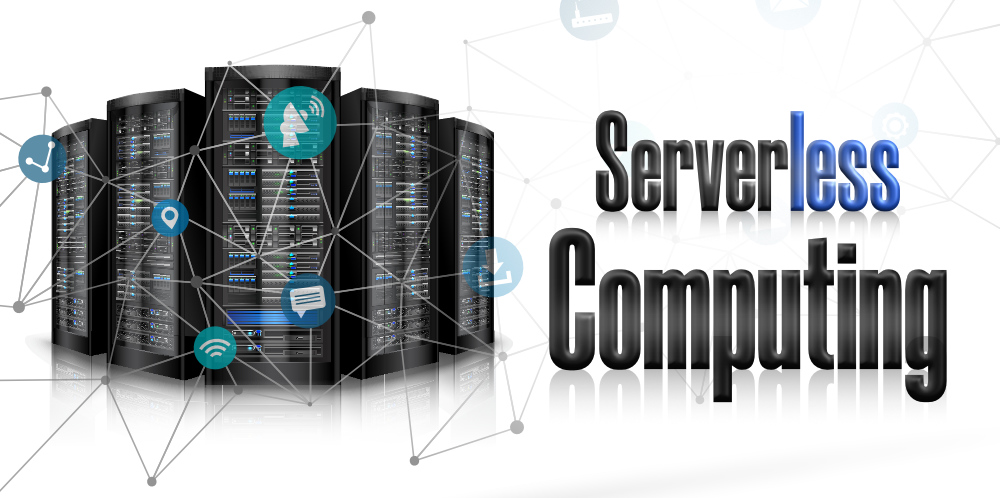
Overview: Serverless computing allows developers to build and run applications without managing server infrastructure. It automatically scales and only charges for the compute time consumed.

Adaptability:

  • Languages: JavaScript (Node.js), Python, Go, Java, C#
  • Platforms: AWS Lambda, Google Cloud Functions, Azure Functions

Impact: By abstracting away the server management, serverless computing enables developers to focus on writing code. Its support for various languages makes it an attractive option for diverse development teams.
Serverless Computing and FaaS Model %E2%80%93 The Next Stage in Cloud Computing

Conclusion

As technology progresses, the adaptability of future technologies across different programming languages will continue to be crucial. Whether you’re developing cutting-edge quantum algorithms or creating the next generation of IoT devices, there’s a place for your preferred language in the tech landscape of tomorrow.

Adaptability Across Programming Languages AI ARVR Blockchain Edge Future Technologies Future Technologies and Their Adaptability IOT Programming language Quantum Computing Serverless Technologies and Their Adaptability VR
Follow on Facebook Follow on X (Twitter) Follow on LinkedIn Follow on Instagram
Share. Facebook Twitter Pinterest LinkedIn Telegram Email Copy Link Reddit WhatsApp Threads
Previous ArticleWhy Every Software Development Team Needs a Good Debugger
Next Article Key Considerations for Developers Building Software
Arunangshu Das
  • Website
  • Facebook
  • X (Twitter)

Trust me, I'm a software developer—debugging by day, chilling by night.

Related Posts

AI for Students: Study Smarter, Not Harder

May 7, 2026

AI Tools Every Marketer Needs in 2026

May 6, 2026

Nobody Is Talking About These Undiscovered AI Platforms (But They Should)

May 4, 2026
Add A Comment
Leave A Reply Cancel Reply

Top Posts

10 Key Techniques to Boost Frontend Performance

February 17, 2025

Embedded SaaS: Why More Companies are Building Software Inside Software

October 8, 2025

7 Types of Database Indexes Explained

February 22, 2025

Vital Role of Frontend Development

July 2, 2024
Don't Miss

Top 5 Essential Tools for Deep Learning Beginners

February 8, 20255 Mins Read

Getting started with deep learning can feel overwhelming. You’ve probably heard about neural networks, training…

How does containerization work in DevOps?

December 26, 2024

Password Fatigue: Solutions for Secure Credential Management

November 11, 2025

Top 10 Questions in Software Development Interviews and How to Answer Them

December 25, 2024
Stay In Touch
  • Facebook
  • Twitter
  • Pinterest
  • Instagram
  • LinkedIn

Subscribe to Updates

Subscribe to our newsletter for updates, insights, and exclusive content every week!

About Us

I am Arunangshu Das, a Software Developer passionate about creating efficient, scalable applications. With expertise in various programming languages and frameworks, I enjoy solving complex problems, optimizing performance, and contributing to innovative projects that drive technological advancement.

Facebook X (Twitter) Instagram LinkedIn RSS
Don't Miss

Angel Investors vs. Venture Capital in India: What’s Right for Your Startup?

September 6, 2025

10 Most Reliable Web Hosting Companies With 99.9% Uptime

December 10, 2025

Five Number Summary

April 3, 2024
Most Popular

10 Most Reliable Web Hosting Companies With 99.9% Uptime

December 10, 2025

What Artificial Intelligence can do?

February 28, 2024

How NLP used in healthcare?

June 28, 2021
Arunangshu Das Blog
  • About Us
  • Contact Us
  • Write for Us
  • Advertise With Us
  • Privacy Policy
  • Terms & Conditions
  • Disclaimer
  • Article
  • Blog
  • Newsletter
  • Media House
© 2026 Arunangshu Das. Designed by Arunangshu Das.

Type above and press Enter to search. Press Esc to cancel.

Ad Blocker Enabled!
Ad Blocker Enabled!
Our website is made possible by displaying online advertisements to our visitors. Please support us by disabling your Ad Blocker.