


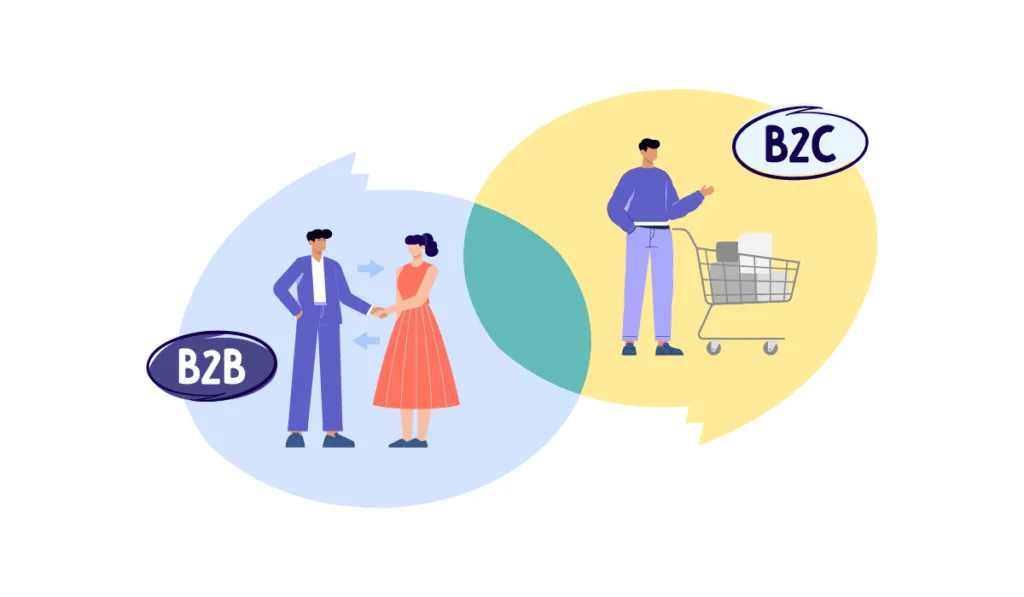
Email SaaS for B2B vs B2C is the undisputed engine of digital communication for modern businesses. However, wielding this tool effectively requires recognizing that not all email marketing is created equal. The strategies, tools, and success metrics that propel a Business-to-Consumer (B2C) brand can be utterly ineffective for a Business-to-Business (B2B) organization.
Choosing and utilizing an Email SaaS platform without understanding the fundamental distinctions between these two worlds is a recipe for missed opportunities and poor ROI. While the core technology might be similar, the application of Email SaaS for B2B versus B2C diverges dramatically in audience, intent, and execution.
This article will dissect the key differences between B2B and B2C email marketing, exploring how these differences shape the choice of SaaS platforms, the design of campaigns, and the very definition of success.
Table of Contents
The Core Divide: Audience and Relationship Dynamics
The most fundamental difference lies in the target audience and the nature of the relationship, which directly dictates the approach to Email SaaS.
B2C (Business-to-Consumer)
- Audience: Individual consumers making personal purchases.
- Relationship: Emotional, impulsive, and transactional. The goal is to appeal to personal desires, lifestyle, and immediate gratification.
- Email List Size: Typically very large, often numbering in the hundreds of thousands or millions.
- Acquisition: Often built through website sign-ups, lead magnets (e.g., a discount code), and purchased lists (though this is less effective now).
B2B (Business-to-Business)
- Audience: A committee of multiple decision-makers (users, influencers, managers, and executives) within another business.
- Relationship: Rational, lengthy, and trust-based. The goal is to demonstrate expertise, ROI, and solve a specific business problem.
- Email List Size: Typically smaller, more targeted, and highly curated, often in the thousands or tens of thousands.
- Acquisition: Built through content downloads (whitepapers, webinars), direct networking, and targeted lead generation campaigns.
Divergent Goals: Brand Awareness vs. Lead Nurturing
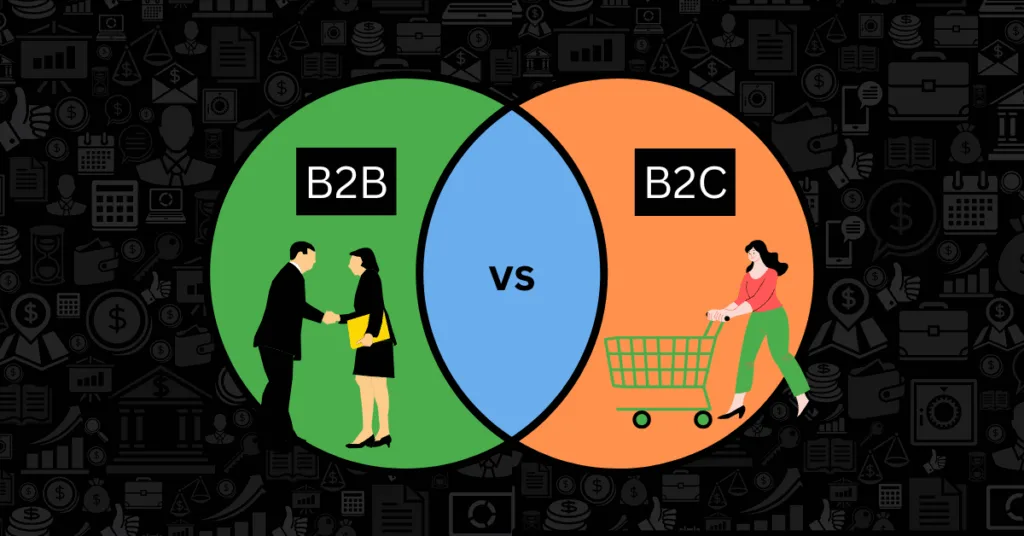
The objective of an email campaign dictates its entire structure, from copy to cadence.
B2C Goals:
- Drive Immediate Sales: Promote flash sales, new product launches, and limited-time offers.
- Increase Cart Abandonment Recovery: Remind users of items they left behind.
- Boost Brand Loyalty: Share lifestyle content, company stories, and loyalty program updates.
- Engage and Entertain: The focus is on high open rates and click-through rates leading directly to a purchase.
B2B Goals:
- Generate and Nurture Leads: Move potential clients through a long sales funnel with educational content.
- Build Authority: Position the company as a thought leader in its industry.
- Drive Demo Requests and Meetings: The final conversion is often a conversation, not a direct sale.
- Customer Retention: Onboard new clients and provide ongoing value to existing accounts to ensure renewal and expansion.
How This Shapes Email SaaS Platform Features
The differing goals and audiences mean that the “must-have” features in an Email SaaS platform vary significantly.
Critical B2C SaaS Features:
- Advanced Segmentation: To slice the massive list by demographics, purchase history, and browsing behavior.
- Drag-and-Drop Email Builder: For quickly creating visually rich, branded, and mobile-optimized templates.
- E-commerce Integrations: Direct connections to platforms like Shopify to automate abandoned cart emails and product recommendations.
- A/B Testing: To relentlessly test subject lines, images, and offers to squeeze out minor conversion improvements.
- Automation for Behavioral Triggers: Automatically sending emails based on user actions like a welcome series, post-purchase follow-up, or birthday discounts.
Critical B2B SaaS Features:
- CRM Integration: Deep integration with Salesforce, HubSpot, or other CRMs is non-negotiable. This aligns marketing and sales efforts seamlessly.
- Lead Scoring: The platform must help identify which leads are sales-ready based on their email engagement and website activity.
- Personalization at Scale: Dynamic content that allows you to personalize emails not just with a first name, but with company name, industry, and specific pain points.
- Marketing Automation for Nurturing: Complex workflows that deliver a multi-touch, multi-asset nurture sequence over weeks or months.
- Analytics and ROI Reporting: Tools to track lead source, funnel progression, and ultimately, the revenue generated from email campaigns.
Measuring Success: KPIs and Metrics
What you measure depends on what you’re trying to achieve.
B2C Key Metrics:
- Open Rate & Click-Through Rate (CTR): Indicators of engagement and subject line effectiveness.
- Conversion Rate: The percentage of recipients who make a purchase. This is the ultimate metric.
- Revenue Per Email: Direct revenue attribution.
- Unsubscribe Rate: A key measure of list health and content relevance.
B2B Key Metrics:
- Lead Quality: Not just quantity, but how many leads are accepted by the sales team.
- Engagement Rate: Are leads interacting with multiple emails and assets?
- Pipeline Influence: How much pipeline revenue can be attributed to email marketing efforts?
- Meeting/Demo Booked: The primary conversion action for many campaigns.
Conclusion: Email SaaS for B2B
Understanding the key differences between Email SaaS for B2B and B2C is critical for success. A B2C brand might prioritize a platform like Klaviyo or Mailchimp that excels in e-commerce and rapid campaign creation. A B2B organization will likely find more value in a platform like HubSpot or Marketo that offers robust CRM integration, lead nurturing, and sales alignment features.
The core principle is alignment. Your choice of an Email SaaS platform and your strategy within it must be perfectly aligned with your audience’s mindset, your business goals, and the journey you are guiding them on.
Using a B2C blast approach for a B2B audience will alienate potential clients, while an overly complex B2B nurture series will overwhelm a consumer simply looking for a discount. By respecting these differences, businesses can harness the full power of email marketing to achieve their unique objectives.
Frequently Asked Questions (FAQs)
1. Can’t I just use one Email SaaS platform for both B2B and B2C efforts?
While some enterprise-level platforms (like HubSpot or ActiveCampaign) are versatile enough to handle both, it’s often challenging. The strategies, list sizes, and required features are so different that managing them within a single account can become complex. Many large companies use separate best-in-class tools for each function to optimize performance.
2. Is personalization important in both B2B and B2C email marketing?
Yes, but the type of personalization differs. B2C personalization is often about using a first name and recommending products based on past behavior. B2B personalization is more advanced, focusing on the prospect’s industry, company size, role, and specific business challenges to build relevance and trust.
3. Which sales cycle is longer, and how does that affect email strategy?
The B2B sales cycle is almost always significantly longer. This means B2B email strategies must be built around long-term nurture sequences that provide consistent value over time, not one-off promotional blasts. B2C cycles can be instantaneous, favoring flash sales and urgent calls to action.
4. For a new B2B startup, what is the first email automation I should set up?
The first and most critical automation is a robust lead nurture sequence. This is a series of 5-10 emails automatically sent to new leads who download a piece of content. It should introduce your company, educate them on their problem, and gradually present your solution, culminating in an offer for a demo or consultation.
