


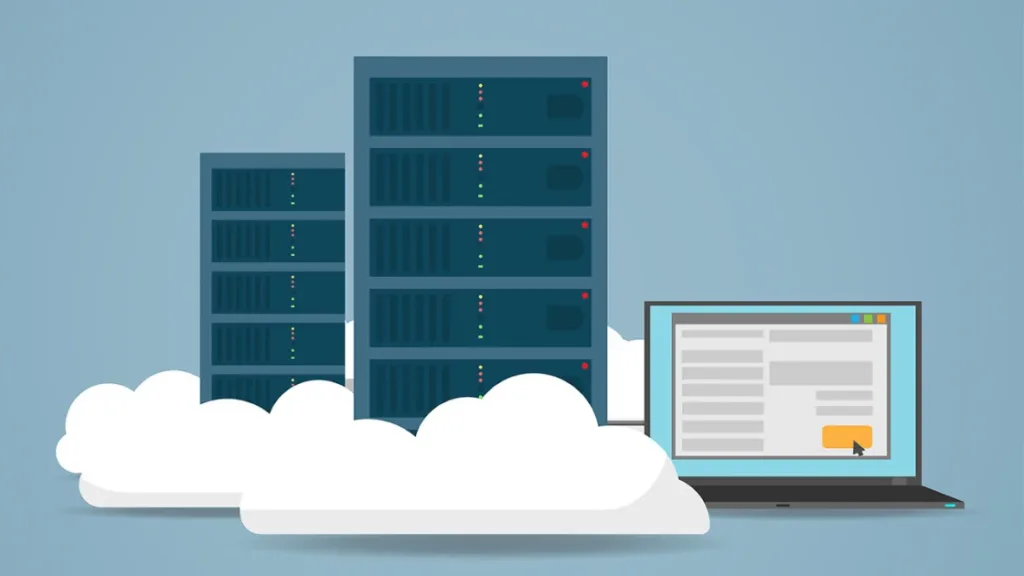
Database hosting for small businesses plays an important role in managing customer information, website content, sales records, and business applications. Whether you operate an eCommerce store, a SaaS startup, or a growing service-based company, choosing the right database hosting platform can help improve performance while keeping infrastructure costs under control.
Small businesses often have limited budgets and technical resources. Therefore, investing in an expensive enterprise database solution may not always be necessary. Modern hosting providers offer affordable plans, managed services, automated backups, and flexible infrastructure that can grow alongside a business.
In this guide, we explore some of the best database hosting platforms for small businesses in 2026, comparing their features, advantages, and ideal use cases to help you find a suitable solution.
Table of Contents
What Should Small Businesses Look for in Database Hosting?
Before choosing a hosting provider, consider the features that directly affect your business operations.
- Affordable pricing: Look for transparent pricing without unnecessary infrastructure expenses or hidden charges.
- Scalability: Choose a platform that allows you to increase storage, memory, and computing resources as your business grows.
- Security: Ensure the provider offers encryption, access controls, network protection, and regular security updates.
- Automated backups: Regular backups help protect customer information and business records against accidental data loss.
- Performance: Fast query processing and reliable infrastructure help applications operate smoothly.
- Ease of management: Managed services reduce the technical work required to maintain databases.
The ideal platform should balance affordability, reliability, and flexibility rather than offering the highest number of features.
8 Best Database Hosting Providers for Small Businesses in 2026
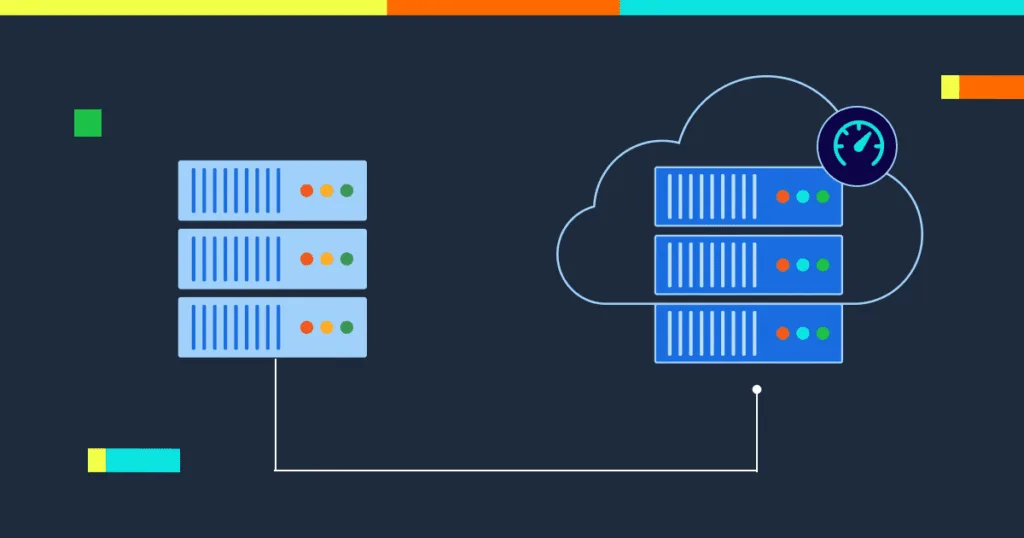
Here are eight hosting platforms worth considering based on their database capabilities, management features, and suitability for growing businesses.
1. DigitalOcean Managed Databases
DigitalOcean is a popular cloud infrastructure provider offering managed database services for businesses and developers. It supports PostgreSQL, MySQL, MongoDB, Kafka, Valkey, and OpenSearch.
Its managed database platform handles several administrative responsibilities, including maintenance, backups, and infrastructure management. This makes it a practical option for small businesses without dedicated database administrators.
Key Features:
- Managed PostgreSQL, MySQL, and MongoDB services.
- Automated backups and maintenance.
- High-availability configurations.
- Database monitoring and performance metrics.
- Predictable monthly pricing options.
Best For: Small businesses, startups, and developers looking for managed database infrastructure with straightforward pricing.
2. Supabase
Supabase is an open-source backend platform built around PostgreSQL. It combines database hosting with authentication, APIs, file storage, and real-time functionality.
Instead of purchasing multiple backend services, small businesses can access several important application development tools from one platform.
Key Features:
- Managed PostgreSQL database.
- Built-in authentication and authorization.
- Automatic API generation.
- Real-time database functionality.
- Automated backups on eligible paid plans.
Best For: Startups, small SaaS businesses, and companies building web or mobile applications.
3. Amazon Web Services (AWS)
Amazon Web Services offers several database hosting options through Amazon Relational Database Service (RDS) and Amazon Aurora.
AWS RDS supports popular database engines, including MySQL, PostgreSQL, MariaDB, Oracle, and Microsoft SQL Server. It also handles routine database administration tasks, reducing the workload for development teams.
Key Features:
- Multiple database engine options.
- Automated backups and maintenance.
- Flexible computing and storage resources.
- Read replicas and high-availability configurations.
- Integration with other AWS services.
Best For: Small businesses expecting significant growth or already using AWS infrastructure.
4. Google Cloud SQL
Google Cloud SQL is a managed relational database service supporting MySQL, PostgreSQL, and SQL Server. It helps businesses operate databases without maintaining their own database servers.
The platform includes automated backups, monitoring, replication, and integration with other Google Cloud services.
Key Features:
- Fully managed relational databases.
- Automated backups and updates.
- High-availability configurations.
- Database monitoring and performance tools.
- Flexible storage and computing options.
Best For: Small businesses running applications on Google Cloud or using Google-based development tools.
5. Microsoft Azure SQL Database
Microsoft Azure SQL Database is a managed database service designed for applications that rely on Microsoft SQL Server technology.
It offers built-in administration features, security controls, automated backups, and flexible computing options. Businesses can select different purchasing models depending on their workload and budget.
Key Features:
- Managed SQL database infrastructure.
- Automated backups and maintenance.
- Built-in security and threat protection features.
- Flexible resource allocation.
- Integration with Microsoft applications and services.
Best For: Small businesses using Microsoft software, .NET applications, or SQL Server-based systems.
6. Neon
Neon is a serverless PostgreSQL hosting platform designed for modern application development. It separates storage and computing resources, allowing businesses to scale them independently.
One useful feature is database branching, which allows developers to create separate environments for testing new application updates without affecting production data.
Key Features:
- Serverless PostgreSQL hosting.
- Automatic scaling and scale-to-zero capabilities.
- Database branching for development.
- Usage-based pricing.
- Integration with modern development frameworks.
Best For: Startups and small businesses building applications with changing or unpredictable database workloads.
7. MongoDB Atlas
MongoDB Atlas is a managed database platform designed for MongoDB, a popular NoSQL database. Unlike traditional relational databases, MongoDB stores information in flexible document-based structures.
This approach can be useful for applications handling product catalogs, customer profiles, content management, and other data with changing structures.
Key Features:
- Fully managed MongoDB clusters.
- Automated backups and scaling options.
- Database monitoring and performance tools.
- Security and encryption features.
- Deployment across major cloud providers.
Best For: Small businesses developing applications that require flexible document-based data storage.
8. Aiven

Aiven provides managed database and data infrastructure services across multiple cloud providers. It supports open-source technologies such as PostgreSQL, MySQL, Kafka, OpenSearch, and Valkey.
The platform handles infrastructure maintenance, monitoring, and database administration, helping businesses reduce operational complexity.
Key Features:
- Managed open-source database services.
- Multi-cloud deployment options.
- Automated maintenance and backups.
- Monitoring and security capabilities.
- Multiple database technologies.
Best For: Growing businesses that need managed open-source databases and flexible cloud infrastructure.
Comparison of Affordable Database Hosting Providers
Choosing between different platforms becomes easier when their capabilities are compared side by side.
| Provider | Database Support | Main Advantage |
|---|---|---|
| DigitalOcean | PostgreSQL, MySQL, MongoDB | Predictable pricing |
| Supabase | PostgreSQL | All-in-one backend |
| AWS | Multiple SQL engines | Extensive scalability |
| Google Cloud SQL | MySQL, PostgreSQL, SQL Server | Google Cloud integration |
| Microsoft Azure | SQL Server, other engines | Microsoft ecosystem |
| Neon | PostgreSQL | Serverless architecture |
| MongoDB Atlas | MongoDB | Flexible document storage |
| Aiven | PostgreSQL, MySQL, others | Multi-cloud flexibility |
How to Choose Affordable and Scalable Database Hosting
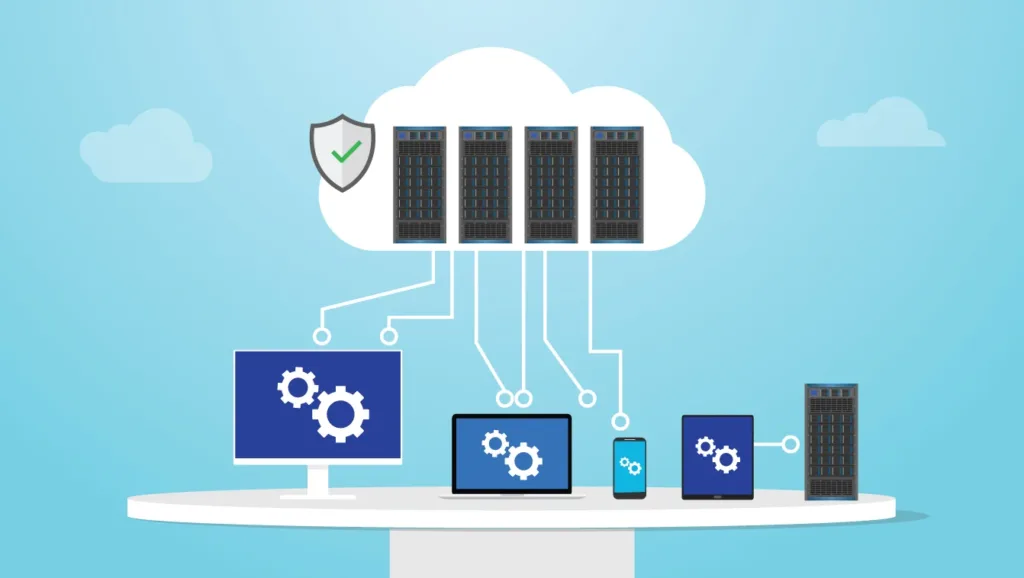
Selecting the right platform depends on your business size, application requirements, and technical expertise.
For startups and smaller development teams, Supabase and Neon are useful options because they offer accessible entry points and developer-friendly tools. DigitalOcean is worth considering when predictable infrastructure pricing and managed database services are priorities.
Businesses already using major cloud ecosystems may find AWS, Google Cloud SQL, or Microsoft Azure more convenient because of their integration capabilities.
For applications that require flexible document storage, MongoDB Atlas is a suitable option. Meanwhile, Aiven can be considered by companies that want managed open-source database technologies across different cloud environments.
When evaluating affordable database hosting, do not focus only on the advertised starting price. Consider storage charges, computing resources, bandwidth, backup retention, and additional services.
Similarly, scalable database hosting should allow you to upgrade resources without unnecessarily disrupting business operations. Starting with a smaller plan and upgrading as demand increases can help control infrastructure expenses.
Frequently Asked Questions (FAQs)
1. What is the best database hosting for small businesses?
DigitalOcean, Supabase, and Neon are worth considering for small businesses because they offer developer-friendly database services and accessible entry-level options. The best choice depends on your database requirements and budget.
2. How much does database hosting cost for a small business?
Costs vary depending on the provider, database size, computing resources, and additional features. Some platforms offer free development plans, while production database services may start at approximately $15–$25 per month. Additional resources and services can increase the total cost.
3. Is managed database hosting better for small businesses?
Managed database hosting can be beneficial because the provider handles routine maintenance, backups, updates, and infrastructure management. This allows small teams to focus more on their business and application development.
4. Can a small business upgrade its database hosting as it grows?
Yes. Most modern cloud database providers allow businesses to increase storage, computing power, and database capacity. Some also offer automatic scaling and read replicas to support growing workloads.
Conclusion
Choosing the right database hosting platform can help small businesses manage information efficiently while maintaining reliable application performance. DigitalOcean, Supabase, and Neon offer accessible options for smaller development teams, while AWS, Microsoft Azure, and Google Cloud provide extensive infrastructure for businesses with more demanding requirements.
Before selecting a provider, evaluate its pricing structure, database compatibility, security features, backup options, and scalability. Investing in the right hosting solution early can reduce operational complexity and provide a strong foundation for future business growth.
