


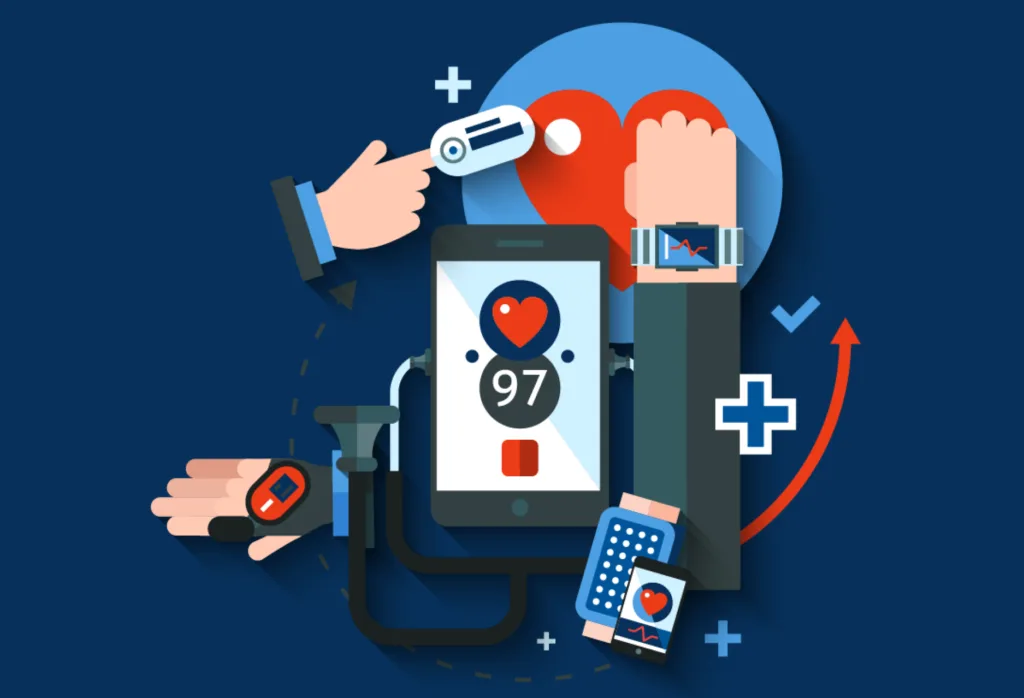
Smart Healthcare with IoT is transforming the healthcare industry by connecting medical devices, wearable technology, hospital equipment, and digital healthcare platforms. These connected technologies allow healthcare providers to collect, transmit, and analyze health data in real time, helping improve patient monitoring and operational efficiency.
Traditional healthcare often depends on manual processes, periodic checkups, and separate systems for managing patient information. IoT can create a more connected environment where devices automatically exchange information and healthcare professionals can access relevant data when needed.
From remote patient monitoring and smart hospitals to connected medical equipment and medication management, healthcare IoT has applications across different areas of healthcare. As artificial intelligence, cloud computing, and advanced connectivity continue to develop, IoT is expected to become an increasingly important part of modern healthcare.
Table of Contents
What Is Smart Healthcare with IoT?
Smart Healthcare with IoT refers to the use of connected devices and Internet of Things technology to collect, transmit, analyze, and manage healthcare data.
These devices can include wearable health trackers, connected medical equipment, patient monitoring systems, smart hospital beds, glucose monitors, blood pressure monitors, and other sensors.
For example, a connected blood pressure monitor can record a patient’s reading and send the information to a healthcare platform. An authorized healthcare professional can then review the information remotely.
This creates a connected healthcare ecosystem where data can move between patients, devices, healthcare professionals, and digital systems.
The goal of IoT healthcare solutions is not simply to connect more devices. It is to use connectivity and data to make healthcare processes more efficient, responsive, and convenient.
How Smart Healthcare with IoT Works
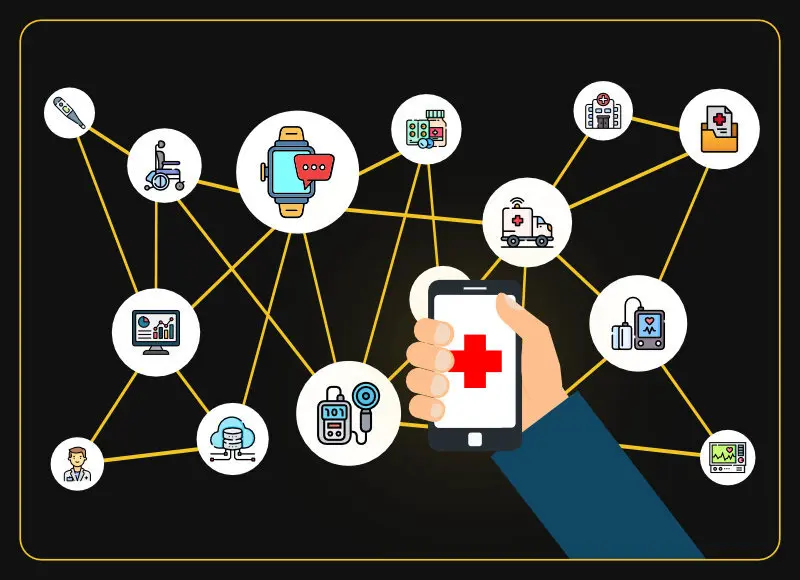
A smart healthcare system typically involves several components working together.
Connected Devices
Sensors and medical devices collect information such as heart rate, blood pressure, blood glucose levels, temperature, oxygen saturation, movement, or other measurements.
Connectivity
The devices transmit information using technologies such as Wi-Fi, Bluetooth, cellular networks, or other wireless communication systems.
Cloud Platforms
Cloud-based systems can store and organize the large amounts of information generated by connected devices.
Data Analytics
Software can analyze collected information to identify trends, unusual readings, or other useful patterns.
Healthcare Professionals
Doctors, nurses, and other healthcare professionals can access authorized information and use it alongside clinical knowledge to support patient care.
This connected structure allows healthcare IoT to support both clinical and administrative activities.
Major Use Cases of Smart Healthcare with IoT
IoT can be applied to many areas of healthcare. Some of the most important use cases include the following.
1. Remote Patient Monitoring
Remote patient monitoring is one of the most widely discussed applications of IoT healthcare solutions.
Connected devices can collect patient information at home and transmit it to healthcare professionals. For example, patients may use connected blood pressure monitors, glucose monitoring systems, or wearable devices.
This allows healthcare providers to monitor certain patients without requiring every measurement to be performed during an in-person appointment.
2. Wearable Health Devices
Smartwatches and other wearable devices can track different health and fitness measurements.
Depending on the device, users may monitor heart rate, activity levels, sleep patterns, oxygen levels, and other indicators.
Wearables can provide users with greater visibility into their health while potentially generating useful information that can be incorporated into healthcare workflows.
3. Smart Hospitals
Hospitals can use IoT technology to connect medical equipment, rooms, sensors, and operational systems.
For example, connected systems can help track medical equipment, monitor room conditions, manage energy consumption, and improve facility operations.
Smart hospital technologies can reduce manual work and help staff manage resources more efficiently.
4. Connected Medical Equipment
Medical devices such as infusion pumps, patient monitors, ventilators, and other equipment can be connected to hospital networks.
Connected equipment can provide information about usage, status, or maintenance requirements.
This can help healthcare organizations monitor equipment and potentially identify maintenance needs before equipment failures disrupt operations.
5. Medication Management
IoT technology can also support medication management.
Smart medication dispensers can remind patients to take medicines at scheduled times. Some systems can also record medication activity or notify caregivers when a scheduled dose is missed.
These IoT healthcare solutions can be especially useful for people who manage multiple medications.
6. Chronic Disease Management
Patients with chronic conditions often need regular monitoring and long-term care.
Connected devices can collect health information over extended periods and provide healthcare professionals with more data between appointments.
This can help create a clearer picture of health trends and support more informed patient management.
7. Emergency Response
Some connected devices can detect events such as falls or unusual health measurements and send alerts.
For certain patients, faster communication with caregivers or healthcare professionals may be valuable during emergency situations.
Benefits of Smart Healthcare with IoT
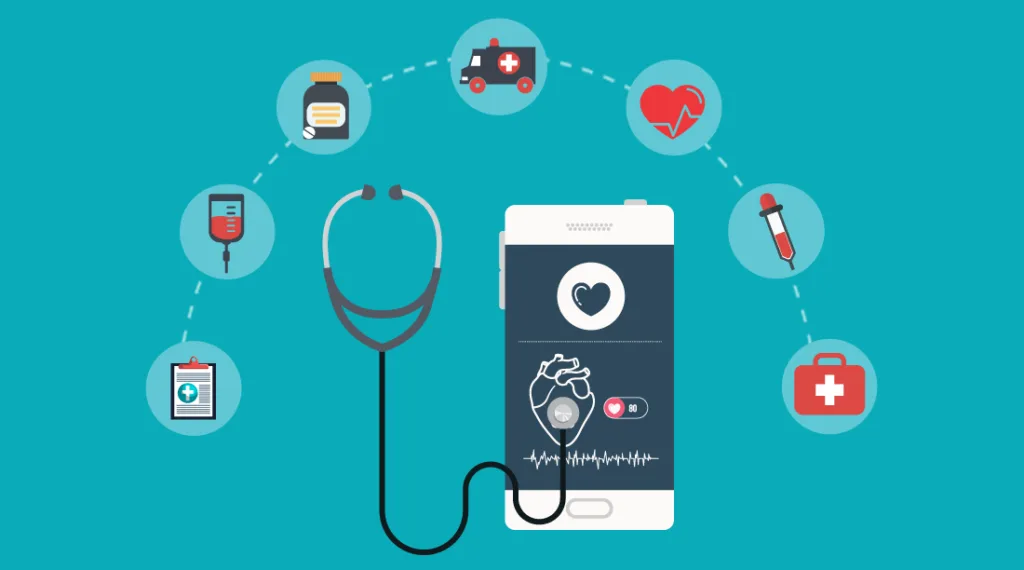
The adoption of Smart Healthcare with IoT can provide several benefits to patients, healthcare professionals, and healthcare organizations.
Improved Patient Monitoring
Connected devices can collect health information regularly or continuously. This gives healthcare professionals access to more data instead of relying only on occasional measurements.
Greater Patient Convenience
Patients can perform certain monitoring activities from home. This can reduce the need for some routine visits and make healthcare management more convenient.
Better Operational Efficiency
Hospitals can use connected technologies to automate certain processes, monitor equipment, and manage resources.
For example, staff may be able to locate equipment digitally instead of spending time searching for it manually.
Faster Access to Information
IoT systems can transmit information automatically, allowing authorized healthcare professionals to access relevant data more quickly.
Better Chronic Care
Regular data collection can support long-term monitoring of patients with chronic conditions. Healthcare professionals can analyze trends rather than relying entirely on isolated measurements.
Potential Cost Savings
Automation, remote monitoring, and improved resource management can help reduce certain operational costs over time.
Challenges of Smart Healthcare with IoT
Despite its benefits, implementing healthcare IoT can create several challenges.
Data Security and Privacy
Healthcare systems handle highly sensitive information. Connected devices increase the number of systems that can interact with health data, making security a critical consideration.
Healthcare organizations need appropriate safeguards to protect information during collection, transmission, storage, and access.
Device Interoperability
Hospitals may use devices and software from many different manufacturers. Ensuring that these systems can communicate effectively can be difficult.
Interoperability is important because healthcare professionals need reliable access to relevant information across different systems.
Connectivity Issues
IoT devices depend on reliable networks to transmit information. Poor internet or cellular connectivity can interrupt communication between devices and healthcare platforms.
High Initial Costs
Implementing IoT healthcare solutions can require investment in sensors, connected equipment, software, networking infrastructure, cybersecurity, and employee training.
Smaller healthcare organizations may find these initial costs challenging.
Data Overload
Connected devices can generate huge volumes of information. Healthcare professionals need effective systems to filter, organize, and prioritize useful data.
Simply collecting more information does not automatically lead to better healthcare.
Technical Training
Healthcare staff and patients may need training to use connected systems correctly. Devices must also be maintained and updated regularly.
The Role of AI in Healthcare IoT
Artificial intelligence can make healthcare IoT systems more useful by helping analyze large amounts of data.
For example, AI-powered software can examine patient measurements and identify patterns or unusual changes. It may then highlight information that requires closer review by healthcare professionals.
AI can also support predictive analytics, allowing healthcare organizations to analyze historical information and identify potential risks.
However, AI should complement professional medical judgment rather than replace it. Healthcare decisions require clinical expertise and consideration of the patient’s complete situation.
Future Trends in Smart Healthcare with IoT
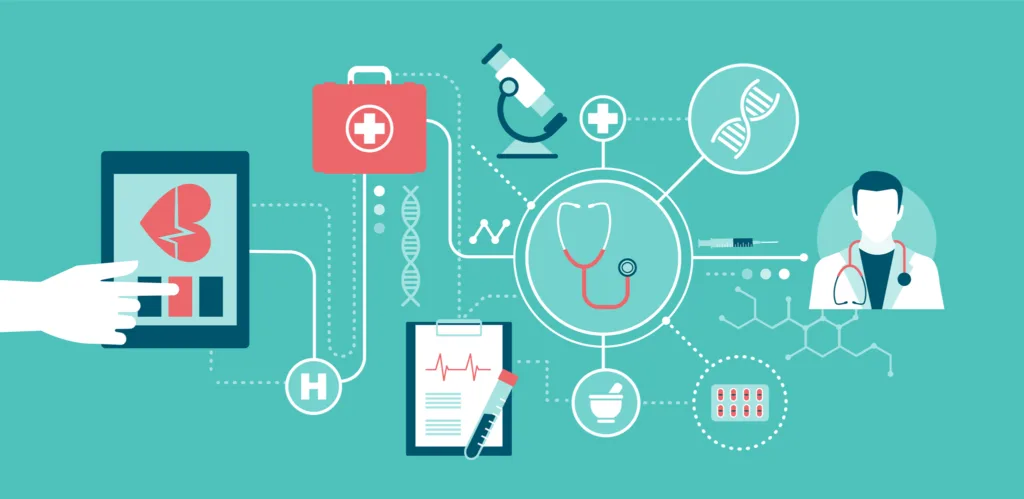
The future of Smart Healthcare with IoT will likely involve closer integration between connected devices, AI, cloud computing, 5G, robotics, and advanced analytics.
Wearable devices may become smaller and more capable, while connected medical sensors could provide more detailed health information.
5G and other advanced connectivity technologies may support faster and more reliable communication between healthcare devices.
Smart hospitals are also expected to become more sophisticated. Connected systems could help automate facility management, equipment tracking, patient monitoring, and other workflows.
Another important trend is greater integration between IoT healthcare solutions and electronic health records. Better integration could help healthcare professionals access relevant information from connected devices alongside traditional patient records.
Conclusion
Smart Healthcare with IoT is creating a more connected healthcare environment by linking medical devices, patients, healthcare professionals, and digital platforms. From remote patient monitoring and wearable technology to smart hospitals and connected medical equipment, IoT has a wide range of healthcare applications.
The technology can improve patient monitoring, increase operational efficiency, provide greater convenience, and support better resource management. However, healthcare organizations must address challenges related to data security, privacy, connectivity, interoperability, costs, and technical training.
As AI, 5G, cloud computing, and wearable technologies continue to advance, healthcare IoT is likely to become increasingly integrated into everyday healthcare. Organizations that implement these technologies thoughtfully can use connected data to build healthcare systems that are more efficient, responsive, and patient-focused.
FAQs
1. What is Smart Healthcare with IoT?
Smart Healthcare with IoT uses connected devices, sensors, medical equipment, and digital platforms to collect and exchange healthcare information. It can support patient monitoring, hospital operations, medication management, and other healthcare services.
2. What are the main uses of IoT in healthcare?
Major uses include remote patient monitoring, wearable health devices, smart hospitals, connected medical equipment, medication management, chronic disease monitoring, and emergency response.
3. What are the benefits of healthcare IoT?
Healthcare IoT can provide continuous monitoring, improve operational efficiency, increase patient convenience, support chronic disease management, and give healthcare professionals access to more real-time information.
4. What challenges does IoT face in healthcare?
Common challenges include data privacy and security, device interoperability, connectivity problems, high implementation costs, data overload, maintenance requirements, and the need for technical training.
