


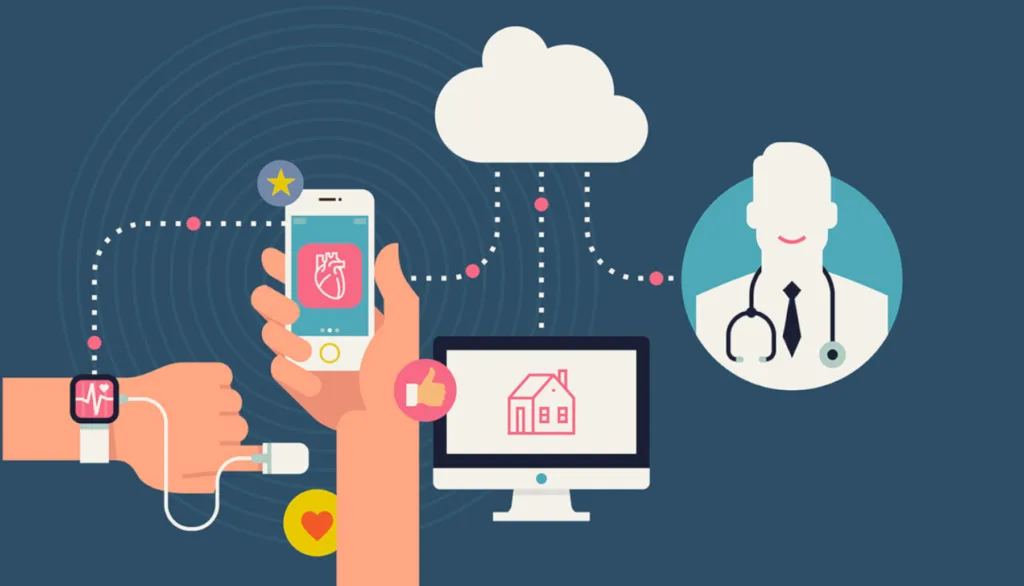
IoT Devices are changing the way healthcare providers monitor patients outside hospitals and clinics. Connected medical devices can collect health information in real time and transmit it to healthcare professionals, allowing doctors and caregivers to monitor patients remotely. This approach is becoming increasingly important as healthcare systems look for ways to provide continuous care while reducing unnecessary hospital visits.
Traditional patient monitoring often requires patients to visit a clinic or hospital for regular checkups. While these appointments remain essential, they only provide a snapshot of a patient’s health at a specific time. With connected devices, healthcare professionals can receive information at regular intervals or continuously, depending on the device and monitoring system.
This makes remote patient monitoring more convenient and data-driven. From smartwatches and connected blood pressure monitors to glucose sensors and wearable medical devices, healthcare IoT is creating new possibilities for delivering care beyond traditional healthcare facilities.
Table of Contents
What Are IoT Devices in Healthcare?
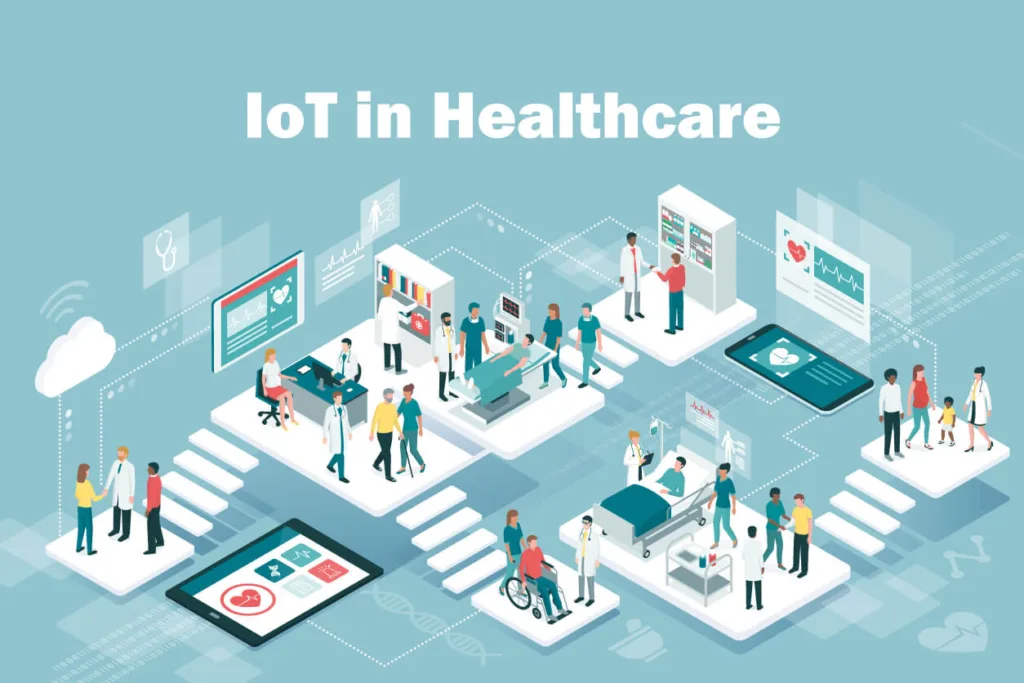
IoT Devices in healthcare are connected electronic devices that collect, transmit, and sometimes analyze health-related information. These devices can communicate with smartphones, cloud platforms, hospital systems, and other connected technologies.
Examples include:
- Smartwatches that monitor heart rate and activity
- Connected blood pressure monitors
- Continuous glucose monitoring systems
- Wearable ECG devices
- Pulse oximeters
- Connected weight scales
- Smart medical equipment
These devices can automatically collect information and send it to an authorized healthcare platform. Doctors and other healthcare professionals can then review the information and identify changes that may require attention.
The growth of healthcare IoT is making this type of connected monitoring increasingly practical for both patients and healthcare providers.
How IoT Devices Support Remote Patient Monitoring
Remote patient monitoring depends on the ability to collect health information outside a traditional clinical environment. IoT technology provides the connectivity required to make this possible.
For example, a patient recovering at home may use a connected blood pressure monitor. The device records measurements and sends the information to a digital platform. Healthcare professionals can review the results without requiring the patient to travel to a clinic for every measurement.
The process generally involves four steps:
- Data collection: A connected device measures a health parameter.
- Data transmission: The information is transmitted through Bluetooth, Wi-Fi, cellular networks, or another communication technology.
- Data storage and analysis: A healthcare platform stores and processes the information.
- Clinical monitoring: Authorized healthcare professionals review the data and respond when necessary.
This creates a continuous flow of information between patients and healthcare providers.
Major IoT Devices Used for Remote Patient Monitoring
Different IoT Devices can monitor different aspects of a patient’s health.
Smartwatches and Wearable Devices
Smartwatches can monitor measurements such as heart rate, physical activity, sleep, and, depending on the device, other health indicators.
Wearable devices can be particularly useful because patients can use them during everyday activities rather than only during medical appointments.
Connected Blood Pressure Monitors
Blood pressure monitors with internet or smartphone connectivity can automatically record and transmit measurements.
This can make it easier for healthcare professionals to track blood pressure trends over time, particularly for patients who need regular monitoring.
Continuous Glucose Monitors
Continuous glucose monitoring systems measure glucose levels at regular intervals. Some connected systems can send information to smartphones or other platforms.
This can provide patients and healthcare professionals with more detailed information about glucose patterns compared with occasional manual measurements.
Connected Pulse Oximeters
Pulse oximeters can measure blood oxygen saturation and pulse rate. Connected versions can transmit readings to monitoring platforms.
Healthcare providers can use this information alongside other clinical data when monitoring appropriate patients remotely.
Wearable ECG Devices
Some wearable devices can record electrical activity associated with the heart. These devices may help collect information that can be reviewed by healthcare professionals when clinically appropriate.
Together, these technologies demonstrate how healthcare IoT can extend monitoring beyond hospitals.
Benefits of IoT Devices for Remote Patient Monitoring
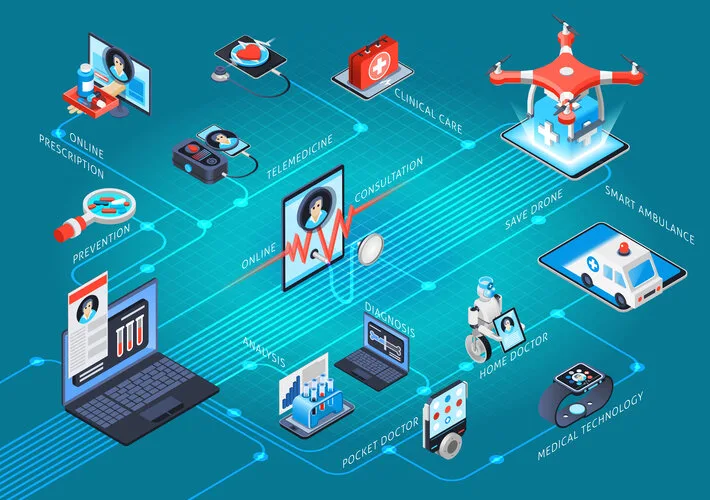
The use of connected devices can provide several potential benefits for patients and healthcare providers.
Continuous Monitoring
One of the biggest advantages of remote patient monitoring is the ability to collect health information outside regular appointments.
Instead of relying entirely on occasional checkups, healthcare providers may have access to a larger set of measurements collected over time.
Early Detection of Changes
Regular data collection can help identify unusual changes in a patient’s measurements. Depending on the condition and monitoring system, alerts may help healthcare professionals determine when further evaluation is appropriate.
Greater Patient Convenience
Patients may not need to travel to a healthcare facility simply to collect certain routine measurements. This can make monitoring more convenient, particularly for people who have difficulty making frequent trips.
Better Chronic Disease Management
People managing long-term conditions may need regular monitoring. Connected devices can make it easier to collect and share relevant information with healthcare professionals.
This is one of the most important uses of healthcare IoT, particularly as healthcare systems increasingly focus on long-term and preventive care.
More Data for Healthcare Professionals
Traditional appointments provide limited data points. Connected monitoring can provide measurements collected across days, weeks, or months.
This additional information can help healthcare professionals understand trends rather than looking at isolated measurements.
Challenges of Using IoT Devices in Healthcare
Although IoT Devices offer significant opportunities, implementing connected monitoring systems also creates challenges.
Data Privacy and Security
Health information is sensitive, so connected healthcare systems need strong security measures. Data should be protected during collection, transmission, storage, and access.
Device Accuracy
The quality of healthcare decisions depends partly on the accuracy and reliability of the measurements being collected. Devices used for medical monitoring need to be appropriately validated and maintained.
Internet Connectivity
IoT Devices depend on communication networks to transmit information. Poor connectivity can interrupt data transmission or delay information reaching healthcare professionals.
Device Compatibility
Healthcare organizations may use technologies from different manufacturers. Ensuring that devices and healthcare software can communicate effectively can be challenging.
Patient Adoption
Patients may need guidance on how to wear, operate, charge, and maintain connected devices. Simple interfaces and clear instructions can improve adoption.
The Role of AI and Healthcare IoT
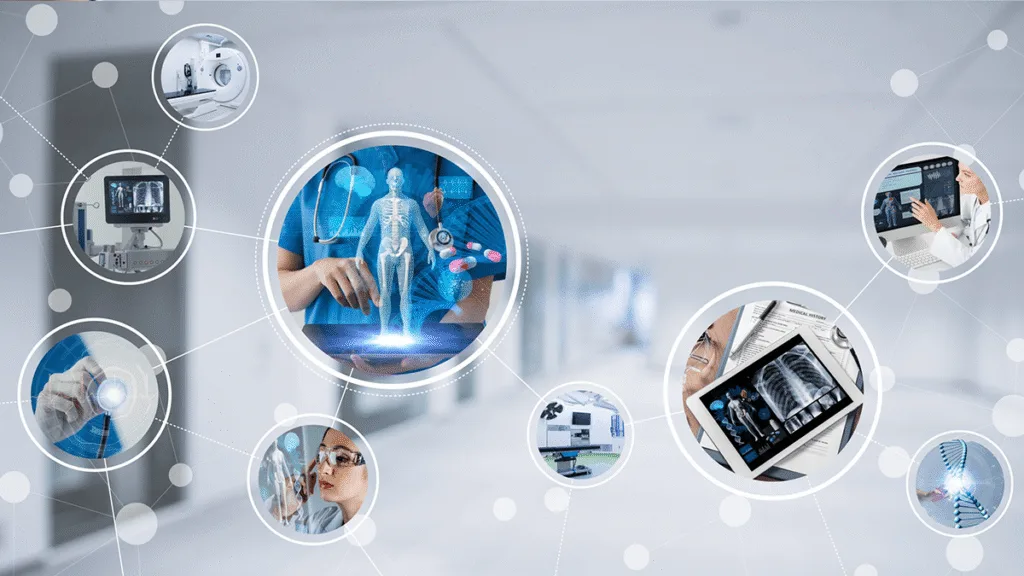
Artificial intelligence is expected to make healthcare IoT systems more capable. Connected devices can generate large amounts of information, and AI-based systems can help analyze that data.
For example, algorithms may identify patterns or changes in measurements and prioritize information for healthcare professionals. Instead of manually reviewing every data point, clinicians could potentially receive alerts about measurements that require closer attention.
However, AI should complement rather than replace professional medical judgment. Healthcare professionals remain responsible for interpreting patient information in its clinical context.
Future of IoT Devices in Remote Patient Monitoring
The future of IoT Devices in healthcare is likely to involve smaller sensors, better connectivity, improved analytics, and greater integration with digital health platforms.
5G and other advanced connectivity technologies may support faster communication between connected devices. Wearable and implantable technologies may also become more sophisticated.
Another important development is the integration of remote patient monitoring with electronic health records and other healthcare systems. Better integration could allow healthcare professionals to access relevant patient information from a more centralized environment.
AI-powered analytics may also become increasingly important. Instead of simply collecting data, future systems could analyze trends and provide more meaningful insights to healthcare teams.
As these technologies mature, healthcare IoT could become an increasingly important part of home-based healthcare and preventive medicine.
Conclusion
IoT Devices are transforming remote patient monitoring by allowing healthcare professionals to collect health information from patients outside traditional medical facilities. Connected blood pressure monitors, glucose monitoring systems, smartwatches, pulse oximeters, and wearable ECG devices can provide valuable information over time.
The benefits include greater convenience, continuous monitoring, improved chronic disease management, and access to more health data. At the same time, healthcare organizations must address challenges involving security, privacy, device accuracy, connectivity, interoperability, and patient adoption.
As AI, 5G, wearable technology, and connected healthcare platforms continue to develop, healthcare IoT is likely to play an even greater role in modern healthcare. The combination of connected devices and intelligent data analysis could help create healthcare systems that are more accessible, responsive, and focused on continuous patient care.
FAQs
1. What are IoT Devices in remote patient monitoring?
IoT Devices are connected medical or wearable devices that collect health information and transmit it to healthcare platforms or authorized professionals. Examples include blood pressure monitors, glucose monitors, pulse oximeters, and wearable health trackers.
2. How do IoT Devices improve remote patient monitoring?
They can collect health information regularly and transmit it remotely, allowing healthcare professionals to monitor patients without requiring every measurement to be taken during an in-person appointment.
3. What are the benefits of healthcare IoT?
Healthcare IoT can support continuous monitoring, improve patient convenience, assist with chronic disease management, provide more health data, and help healthcare professionals identify changes in patient measurements.
4. What is the future of remote patient monitoring?
The future is likely to involve more advanced wearable devices, AI-powered analytics, faster connectivity, cloud platforms, and better integration with electronic health records. These technologies could make remote monitoring more efficient and personalized.
