


Automation and robotics companies are at the forefront of a technological revolution that is reshaping industries and driving trading momentum in global markets.
As manufacturing, logistics, and warehousing increasingly rely on AI-driven machines and automated systems, investors are turning their attention to firms delivering cutting-edge solutions.
From industrial robots to intelligent automation platforms, these companies are creating new efficiencies while boosting profitability. The rising demand for robotics and automation technology is influencing stock prices, generating trading momentum that savvy investors can capitalize on.
Why Automation and Robotics Companies Are Driving Trading Momentum
Automation and robotics companies are playing a pivotal role in driving trading momentum across global markets. As industries increasingly adopt AI-powered systems, industrial robots, and intelligent automation platforms, companies providing these technologies are experiencing strong growth and attracting investor attention.
Efficiency gains, cost reductions, and faster production cycles make robotics solutions indispensable for manufacturers, warehouses, and logistics providers, fueling demand for automation technology stocks.
The ongoing digital transformation in industries like automotive, electronics, and e-commerce is creating long-term revenue opportunities for robotics firms. Investors recognize that companies leading in automation innovation are likely to secure high-value contracts and maintain competitive advantages. This has translated into increased trading volumes and upward price trends for stocks associated with robotics and automation.
Furthermore, government initiatives and subsidies aimed at promoting industrial modernization and smart manufacturing are boosting the sector. As firms expand globally and invest in research and development, automation and robotics companies continue to influence trading sentiment, making them attractive for both short-term trading and long-term investment strategies.
Key Players in the Automation and Robotics Market
Automation and robotics companies are driving innovation across industries and influencing trading momentum, with several major players leading the charge. ABB is a global leader in industrial robots and automation solutions, providing advanced technologies for manufacturing and energy sectors.
Fanuc specializes in robotic arms and factory automation systems, serving automotive, electronics, and precision manufacturing industries worldwide. KUKA, a German robotics giant, focuses on industrial and collaborative robots, emphasizing flexible production solutions for modern factories.
Software-focused automation companies like UiPath are transforming workflows through AI-driven robotic process automation (RPA), helping enterprises streamline operations and reduce costs. In research and niche robotics, firms such as Boston Dynamics and Intuitive Surgical are pioneering innovations in mobility, healthcare, and specialized automation.
These companies not only deliver technological solutions but also shape investor perception and trading behavior. Government contracts, large-scale industrial deployments, and partnerships with global manufacturers ensure consistent revenue streams, enhancing investor confidence. As a result, automation and robotics companies are increasingly central to trading momentum, drawing interest from institutional and retail investors seeking exposure to high-growth tech-driven industries.
Market Trends in Robotics and Automation Investments

The robotics and automation sector is evolving rapidly, driven by technological breakthroughs and increasing investor interest. Automation and robotics companies are benefiting from rising adoption across industries, creating a dynamic investment landscape and generating significant trading momentum. Key trends shaping the market include:
- Surge in factory and warehouse automation – Industries are deploying advanced robotic systems to improve efficiency, reduce labor costs, and meet growing consumer demand, especially in e-commerce and manufacturing.
- Growth in AI-powered robotics solutions – Artificial intelligence is enhancing robot capabilities, enabling autonomous decision-making, predictive maintenance, and smarter process automation.
- Expansion of collaborative robots (cobots) – Cobots designed to work safely alongside humans are increasingly adopted in small and medium enterprises, driving both innovation and new investment opportunities.
- Venture capital and private equity investment in robotics startups – Funding for early-stage robotics and automation ventures is surging, supporting breakthroughs in specialized robotics applications.
- Integration of IoT and cloud platforms in automation – Connected systems allow real-time monitoring, data-driven decision-making, and scalable automation solutions across distributed facilities.
How Robotics Innovation is Transforming Industries
Robotics innovation is redefining the way industries operate, driving efficiency, precision, and scalability across sectors. Automation and robotics companies are at the forefront, creating intelligent machines that perform complex tasks faster and more accurately than human labor.
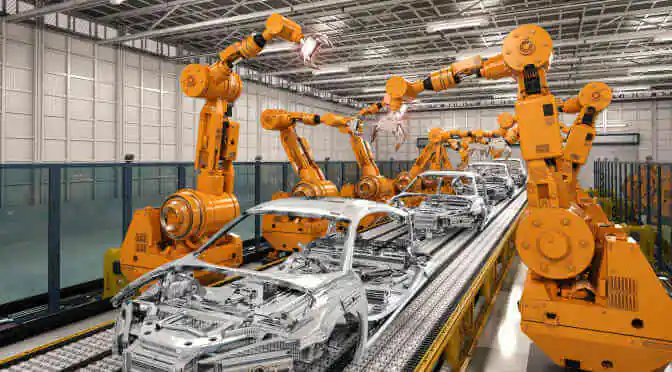
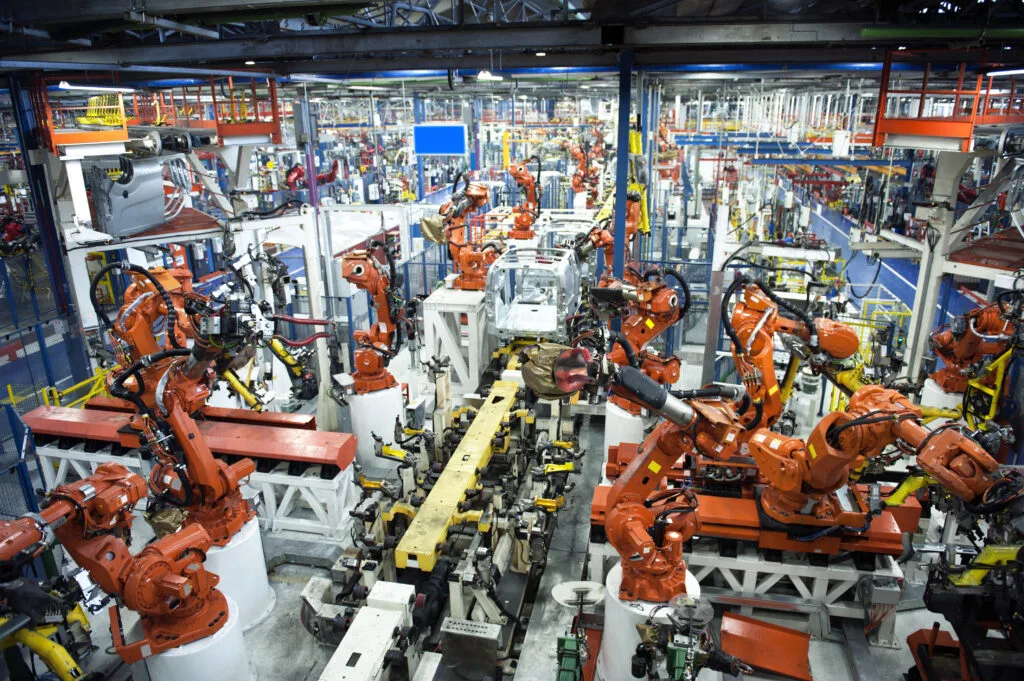
In manufacturing, robotic arms and automated assembly lines reduce errors and increase production speed, enabling companies to meet rising consumer demand while lowering operational costs.
In logistics and warehousing, autonomous guided vehicles (AGVs) and robotic sorting systems optimize inventory management, streamline deliveries, and minimize downtime. Healthcare is also experiencing transformation, with surgical robots, automated lab equipment, and rehabilitation robotics enhancing patient care and medical precision.
AI-powered robotics are extending their reach to agriculture, energy, and retail, providing solutions that improve monitoring, predictive maintenance, and process automation.
By integrating AI, IoT, and cloud connectivity, robots can adapt to changing environments and learn from operational data, driving continuous improvement. These technological advancements not only increase efficiency but also influence investor sentiment, as companies delivering cutting-edge robotics solutions see growing demand and stronger stock performance.
Challenges and Future Outlook for Automation and Robotics Companies
While automation and robotics companies are driving trading momentum and transforming industries, they face several challenges that could impact growth. High capital costs for research, development, and production remain a barrier for smaller firms.
Supply chain constraints, particularly in semiconductors and specialized components, can delay product deployment and limit scalability. Additionally, regulatory hurdles and safety standards must be navigated carefully, especially for collaborative robots and AI-driven autonomous systems.
Despite these challenges, the long-term outlook for the sector remains strong. Increasing demand for industrial automation, logistics efficiency, and AI-powered robotics ensures sustained growth opportunities. Governments worldwide are promoting smart manufacturing initiatives and offering incentives to support robotics adoption, further fueling market expansion.
Investors are closely watching companies that can innovate while managing costs and supply chain risks. Firms integrating AI, IoT, and cloud platforms into their solutions are well-positioned to capture market share.
Overall, while short-term volatility may arise from operational and regulatory challenges, automation and robotics companies are expected to remain central to trading momentum and long-term technological progress.
Conclusion
Automation and robotics companies are at the heart of a technological revolution that is transforming industries and driving trading momentum in global markets. From manufacturing and logistics to healthcare and AI-powered solutions, these companies are delivering innovations that improve efficiency, reduce costs, and enhance operational precision.
Rising investor interest, government initiatives, and venture funding are further amplifying their market impact.
While challenges such as high capital costs, supply chain constraints, and regulatory hurdles remain, the long-term outlook for automation and robotics firms is robust. Companies that continue to innovate, integrate AI and IoT technologies, and expand into emerging markets are poised to capture significant growth opportunities.
For investors, keeping an eye on leading automation and robotics companies offers a chance to benefit from both technological progress and trading momentum. As industries increasingly rely on intelligent machines, the sector is set to remain a driving force in shaping the future of business operations and investment landscapes.
