


In the foundational world of search engine optimization, two pillars uphold every successful strategy: understanding what your audience is searching for and decoding what your rivals are doing. Mastering these elements requires moving beyond guesswork and leveraging powerful SEO tools for keyword research and competitor analysis.
The right software suite doesn’t just provide data; it delivers actionable intelligence, illuminating the path to greater visibility and traffic. This article explores the top five platforms that excel in uncovering profitable keywords and providing a crystal-clear view of your competitive landscape.
By integrating these SEO tools into your workflow, you can make informed decisions, prioritize high-value opportunities, and build a content strategy that consistently outperforms the competition.
Table of Contents
Why Specialized Tools Are Non-Negotiable
While free options like Google’s Keyword Planner offer a starting point, they often provide limited, aggregated data. Professional SEO tools for keyword research and competitor analysis dive deeper, offering critical metrics like Keyword Difficulty (KD), search volume trends, Cost-Per-Click (CPC) estimates, and precise data on competitor rankings and backlink profiles.
This intelligence allows you to answer essential questions: Which keywords can I realistically rank for? What content is driving traffic to my competitors’ sites? Where are their keyword gaps that I can exploit? Investing in a robust tool is an investment in strategic clarity, saving countless hours of manual research and ensuring your efforts are directed toward the most impactful tasks.
Evaluating the Top 5 SEO Tools for Keyword Research & Competitor Analysis
The following five tools represent the best in the market, each with unique strengths catering to different needs, from all-in-one suites to specialized platforms.
1. Ahrefs: The All-in-One Powerhouse
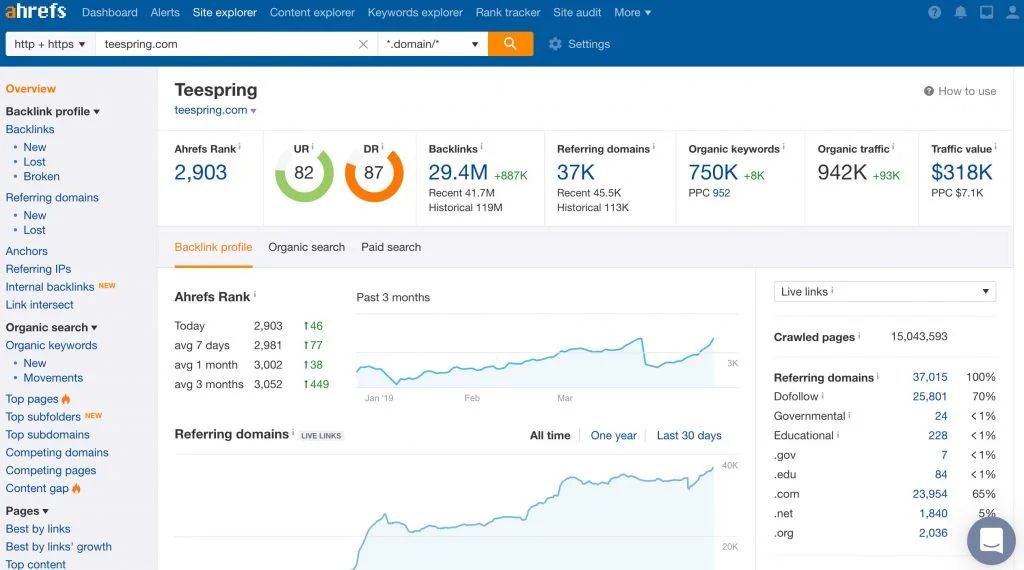
Ahrefs is frequently regarded as the industry standard, particularly renowned for its unparalleled backlink index. This strength directly fuels its exceptional competitor analysis capabilities.
- For Keyword Research: Its Keywords Explorer tool delivers comprehensive data for any seed keyword, including search volume, click-through rate (CTR) potential, and a list of immediate ranking parent topics. Its unique “Keyword Difficulty” score is based on the actual backlink profiles of the current top-ranking pages, giving you a realistic picture of the effort required.
- For Competitor Analysis: This is where Ahrefs shines. The Site Explorer feature allows you to dissect any competitor’s domain. You can see their top-performing pages by organic traffic, their exact ranking keywords, and their complete backlink profile—understanding exactly which sites are linking to them. This provides a complete blueprint of their organic strategy.
- Best For: SEO professionals and agencies who need deep, reliable backlink data and comprehensive competitive reverse-engineering.
2. SEMrush: The Versatile Marketing Suite
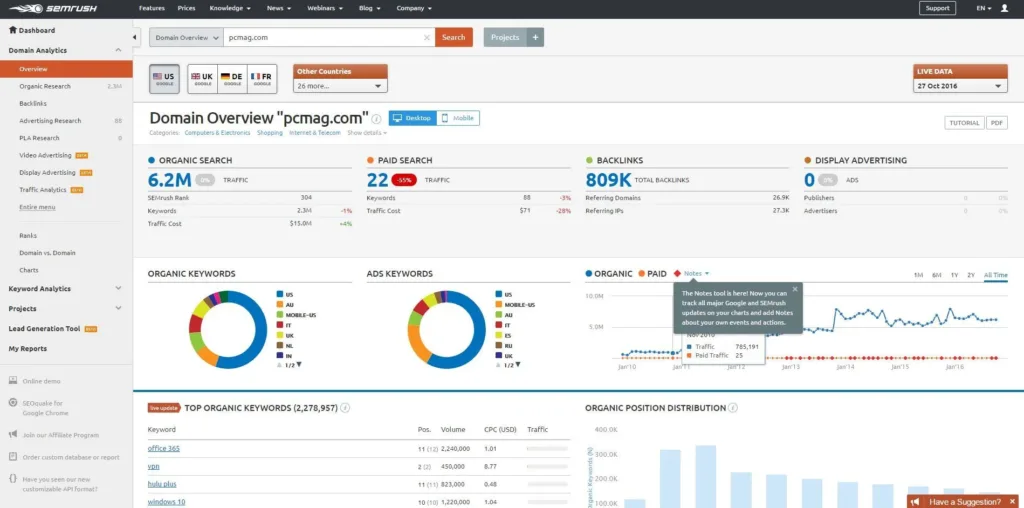
SEMrush is a formidable rival to Ahrefs, boasting a massive keyword database and exceptional versatility across marketing disciplines, including PPC and social media.
- For Keyword Research: Its Keyword Magic Tool generates extensive lists of related keywords, grouped neatly by topic cluster. It provides valuable metrics like “Intent” analysis and trends data. The “Keyword Gap” tool is a standout feature, allowing you to compare your keyword profile against up to five competitors to instantly see overlaps and missing opportunities.
- For Competitor Analysis: The Organic Research report reveals a competitor’s top pages, ranking keywords, and estimated traffic. Its “Traffic Analytics” tool offers insights into a competitor’s overall digital traffic, including referral and social sources, providing a broader view of their audience acquisition strategy beyond just SEO.
- Best For: Digital marketing teams who need a single platform for SEO, paid advertising, and content strategy, with a strong emphasis on keyword gap analysis.
3. Moz Pro: The User-Friendly Essential
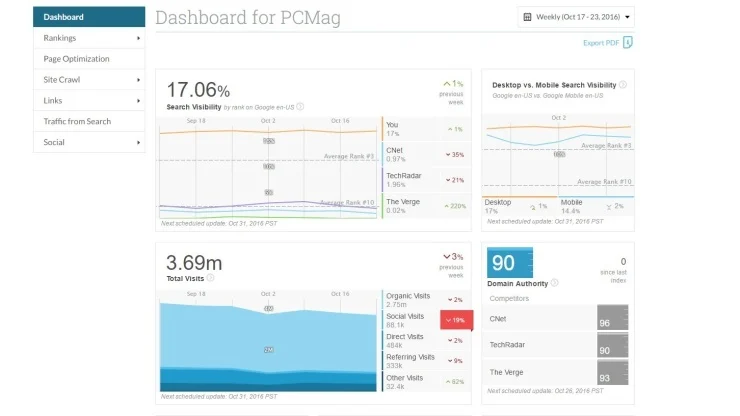
Moz has built a loyal following with its intuitive interface and educational resources, making powerful SEO concepts more accessible.
- For Keyword Research: Moz’s Keyword Explorer provides trusted metrics like Volume and Difficulty (using its proprietary “Difficulty Score”). A key feature is its organized list of “Keyword Suggestions,” which effectively groups terms by how closely related they are, aiding in topic modeling.
- For Competitor Analysis: The “Competitor Analysis” feature in Moz Pro lets you track key competitors and monitor changes in their domain authority and ranking keywords over time. While its link index is smaller than Ahrefs’, its “Link Explorer” still provides crucial insights into a competitor’s linking domains and top pages.
- Best For: Beginners, in-house marketers, and content teams who value clarity, excellent reporting, and an easier learning curve without sacrificing core functionality.
4. Ubersuggest: The Affordable Contender
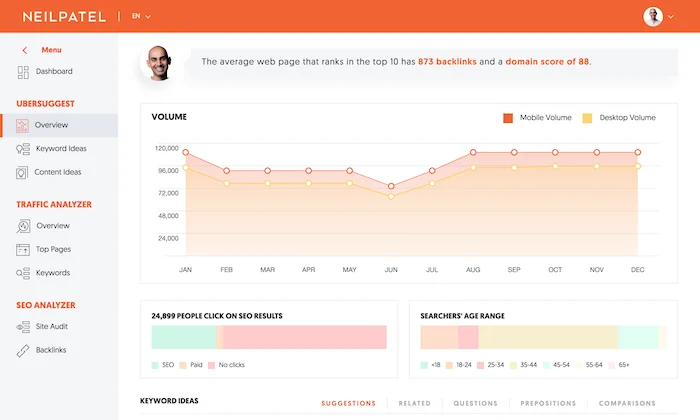
Created by marketing influencer Neil Patel, Ubersuggest positions itself as a cost-effective alternative, offering a surprising amount of data for its price point (including a generous free tier).
- For Keyword Research: Enter a keyword to get search volume, seasonal trends, and a list of related keyword ideas. Its “Keyword Ideas” are effectively categorized into broad, related, and question-based terms, which is helpful for content planning.
- For Competitor Analysis: The “Competitor Analysis” section outlines a site’s top SEO pages, estimated visits, and key backlinks. While not as deep as Ahrefs or SEMrush, it effectively highlights a competitor’s main strengths and popular content, making it a great starting point for analysis.
- Best For: Small business owners, solo entrepreneurs, and bloggers who need essential keyword research and competitor analysis capabilities on a tight budget.
5. Surfer SEO: The On-Page & SERP Analysis Specialist

Surfer SEO takes a different, complementary approach. It focuses on analyzing the search engine results page (SERP) for a target keyword to provide a detailed “blueprint” for what a top-ranking page should contain.
- For Keyword Research & Analysis: While not a traditional keyword database tool, Surfer’s strength lies in its SERP Analyzer. When you input a keyword, it dissects the top-ranking pages for factors like word count, heading structure, keyword density, and the use of images and videos. This provides a data-driven content outline.
- For Competitor Analysis: It automates the analysis of competing pages on the SERP. Instead of just showing you that they rank, Surfer shows you how they are structured. Its “Content Editor” then guides you in real-time to optimize your page to meet or exceed those statistical norms.
- Best For: Content creators, writers, and SEOs focused intensely on on-page optimization who want data-driven guidelines to create content that is engineered to rank.
Choosing Your Primary SEO Tool for Keyword Research & Competitor Analysis
Selecting the right tool depends on your budget, expertise, and specific needs. For an all-in-one deep dive, Ahrefs or SEMrush are the premium choices. For user-friendliness and strong fundamentals, Moz Pro is excellent. For those on a strict budget, Ubersuggest provides tremendous value. For unparalleled on-page guidance, Surfer SEO is a powerful complement to any of the others.
The most successful SEOs often use a combination. A common strategy is to use a primary tool like Ahrefs for discovery and backlink analysis, and a specialist like Surfer for on-page optimization. Ultimately, the best SEO tools are those that you will use consistently to turn data into a decisive strategic advantage.
Frequently Asked Questions (FAQs)
Q1: Can I do effective SEO without paying for these tools?
While you can start with free tools like Google Keyword Planner, Google Trends, and free trials of paid platforms, they have significant limitations for sustained competitor analysis. Professional tools offer the depth, accuracy, and historical data needed for a competitive strategy. Consider the cost of a tool as an investment against wasting time and resources targeting the wrong keywords.
Q2: Which tool is best for a very small business or beginner?
Ubersuggest is an ideal starting point due to its affordable pricing and generous free plan. Moz Pro is also a strong candidate for beginners because of its intuitive interface and the excellent educational content (the “Moz Academy”) that accompanies it, helping users understand the why behind the data.
Q3: How often should I conduct keyword and competitor analysis?
Keyword and competitor landscapes are dynamic. A monthly review of your core keywords and main competitors is a good baseline. However, you should conduct a deep analysis quarterly to identify new trending keywords, assess major ranking changes, and uncover new competitors. Always analyze keywords before creating new content.
Q4: Is it worth using more than one of these tools?
For professionals and agencies, yes. Many SEOs use a primary all-in-one tool (like Ahrefs or SEMrush) for overall strategy and a specialist tool like Surfer SEO for granular content optimization. This combination covers both the macro (what to target) and micro (how to build it) aspects of SEO most effectively.
