


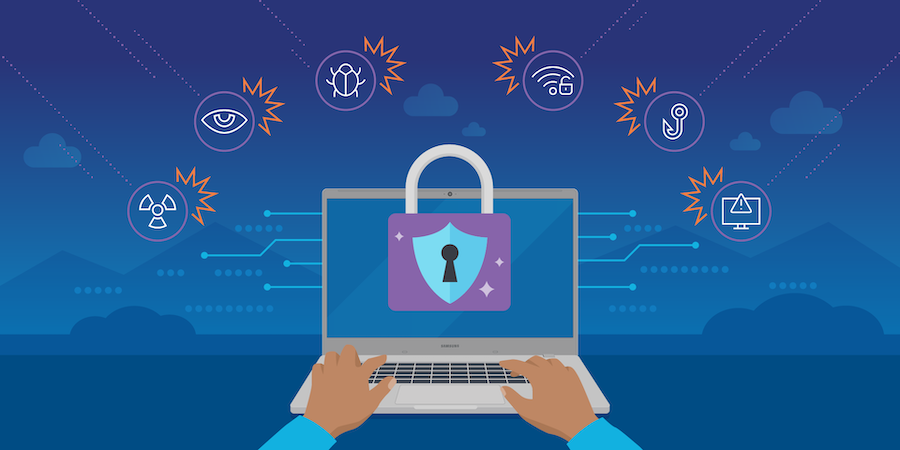
How Remote Work is Changing the Cybersecurity Landscape is a critical question for every modern organization. The rapid and often unplanned shift to distributed teams has permanently altered how businesses operate, dissolving the traditional perimeter-based security model and creating a new, more complex digital environment.
This new paradigm offers fantastic flexibility and access to global talent, but it also presents a sprawling array of vulnerabilities that cybercriminals are eagerly exploiting.
The once-clearly defined corporate network, protected by a centralized firewall, has been replaced by a decentralized web of home offices, coffee shop Wi-Fi, and personal devices. Understanding this shift is the first step toward building a resilient and secure remote-friendly organization.
Table of Contents
The Vanishing Perimeter: A Redefined Attack Surface
The most profound change brought by the rise of remote work is the dissolution of the traditional corporate network perimeter. For decades, security focused on building a strong “castle wall” around the internal network. Today, that castle has been replaced by a vast, distributed village where each employee’s home is a new gateway.
This redefined cybersecurity landscape creates several specific vulnerabilities:
- Home Network Vulnerabilities: Corporate IT departments have no control over a employee’s home router. Many are outdated, use default manufacturer passwords, and lack robust security features. This makes them easy targets for attackers seeking a backdoor into corporate systems.
- Unsecured Personal Devices: The line between work and personal life has blurred, leading to the use of personal laptops, tablets, and phones for work tasks (a trend known as BYOD – Bring Your Own Device). These devices may not have enterprise-grade antivirus software, encryption, or the latest security patches, making them weak links in the security chain.
- Public Wi-Fi Risks: While working from a café or airport offers flexibility, public Wi-Fi networks are notoriously insecure. Attackers can easily set up “evil twin” hotspots or intercept unencrypted data traveling over these networks, capturing sensitive login credentials and company data.
This expanded and poorly controlled attack surface means that security can no longer be about guarding a single location. The focus must shift to protecting data and identities wherever they reside.
The Human Factor: An Amplified Threat in a Distributed World
While technology creates new vulnerabilities, the human element remains the most significant risk, and remote work amplifies this in unique ways. The physical separation from colleagues and IT support staff makes employees more susceptible to social engineering attacks.
- Sophisticated Phishing and Smishing: Cybercriminals craft emails and text messages (smishing) that prey on the isolation of remote workers. An email that appears to come from the “IT Support Desk” requesting a password verification or a text message from “HR” about a new policy update can seem more legitimate when an employee can’t simply walk over to the department to verify it.
- Relaxed Security Posture: In a home environment, the formal atmosphere of an office fades. This can lead to lax security habits, such as sharing login credentials with family members to access a work device, leaving computers unlocked when stepping away, or discussing sensitive work matters in open spaces.
This human-centric vulnerability underscores that in a distributed model, every employee’s home office is a new front line in the corporate cybersecurity landscape. Training and awareness are no longer a secondary concern; they are a primary defense mechanism.
Building a Modern Defense for a Distributed Workforce
To navigate this new reality, organizations must abandon outdated perimeter-thinking and adopt a security model built for a borderless world. The goal is to create a secure environment where employees can work productively from anywhere without compromising safety. Key strategies include:
1. Adopting a Zero-Trust Architecture: The core principle of Zero-Trust is “never trust, always verify.” It assumes that no user or device, whether inside or outside the corporate network, should be inherently trusted. Access to applications and data is granted on a per-session basis, based on strict identity verification and device health checks. This model is perfectly suited for the modern cybersecurity landscape as it protects resources directly, rather than relying on network location.
2. Mandating Secure Remote Access: The use of a corporate Virtual Private Network (VPN) is a baseline requirement. A VPN encrypts all traffic between an employee’s device and the corporate network, securing it from prying eyes on public or home Wi-Fi. However, for enhanced security, many organizations are moving towards Zero-Trust Network Access (ZTNA), which provides granular, user-specific access to individual applications rather than the entire network.
3. Strengthening Endpoint Security: With employees using devices outside the corporate firewall, securing every endpoint (laptops, phones, tablets) is paramount. This requires robust Endpoint Detection and Response (EDR) solutions that can not only prevent malware but also detect and respond to advanced threats in real-time. Coupled with strict policies requiring full disk encryption and regular software updates, this hardens each individual node in the distributed workforce.
4. Doubling Down on Security Training: Continuous, engaging cybersecurity awareness training is non-negotiable. Training should be specific to the remote work context, teaching employees how to identify sophisticated phishing attempts, the importance of using the VPN, and how to secure their home network. Simulated phishing campaigns can help keep these skills sharp.
Conclusion: Embracing a Permanent Shift

The shift to widespread remote work is not a temporary disruption; it is a permanent feature of the modern economy. Consequently, the changes it has wrought upon the cybersecurity landscape are also permanent. Organizations that cling to legacy security models based on a defined physical perimeter do so at their own peril.
The path forward requires a fundamental rethink—shifting investment from perimeter defense to identity-centric and data-centric security solutions. By embracing Zero-Trust, securing endpoints, and empowering a security-aware culture, businesses can unlock the immense benefits of a distributed workforce while building a defense that is as flexible, resilient, and widespread as their new operational model.
Frequently Asked Questions (FAQs)
1. Is a VPN enough to keep my remote workforce secure?
A VPN is a critical first step as it encrypts internet traffic, but it is not a complete security solution on its own. It does not protect against phishing attacks, malware downloaded onto a device, or insecure employee behavior. A VPN should be part of a layered security approach that includes endpoint protection, Multi-Factor Authentication (MFA), and user training.
2. What is the single biggest security risk with remote work?
The combination of the expanded attack surface and the human factor is the most significant risk. Technically, unsecured home networks and personal devices create countless new entry points for attackers. However, it is often the isolated and potentially distracted remote employee who is tricked into clicking a malicious link that bypasses all technical defenses.
3. How can I encourage secure behavior from my remote employees?
Foster a culture of security, not just compliance. Make training relevant and engaging, focusing on real-world examples they might encounter. Provide clear, simple guidelines and the necessary tools (like a password manager and approved VPN). Most importantly, ensure employees feel comfortable reporting potential security mistakes without fear of punishment, as early reporting can mitigate a small incident from becoming a major breach.
4. What is the difference between a VPN and Zero-Trust?
A traditional VPN grants a user access to the entire corporate network once they are authenticated, operating on a “trust but verify” model. Zero-Trust, on the other hand, assumes no one is trusted by default. It verifies the user’s identity, the device’s security health, and the context of the request every time, granting access only to the specific application or data needed for that session, and nothing more. It is a more granular and secure model for a distributed workforce.
