


Future-proof is the paramount objective for any modern business leader making a technology decision. The choice between Cloud Software and On-Premise Software is one of the most fundamental and consequential decisions an organization can make. It’s a debate that goes far beyond simple IT preference; it strikes at the heart of a company’s operational flexibility, financial structure, and long-term strategic agility.
While On-Premise Software, with its local servers and perceived control, held sway for decades, the relentless march of digital transformation has propelled Cloud Software into the spotlight. But which model truly offers a path to longevity and resilience? The evidence increasingly points to the cloud as the definitive future-proof solution, though specific circumstances may still justify an on-premise approach.
This analysis will dissect the core differences between these two models, evaluate their strengths and weaknesses, and ultimately demonstrate why the scalability, innovation, and economic model of the cloud make it the most viable choice for businesses looking to thrive in the coming decades.
Table of Contents
Defining the Contenders: Cloud vs On-Premise Software
To understand the future, we must first define the present.
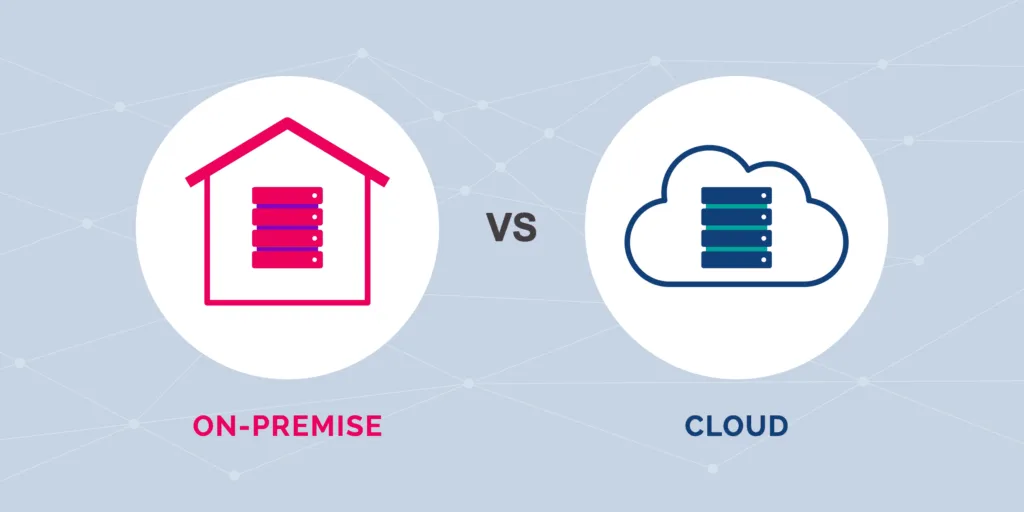
On-Premise Software is the traditional model. The software application is installed and run on computers located on the premises (in the building) of the organization using it. The company purchases licenses outright, typically through a perpetual one-time fee, and is responsible for maintaining the entire infrastructure: the servers, the networking hardware, the security, and the IT staff required to manage it all. The data resides within the company’s own data centers, providing a sense of direct control.
Cloud Software, also known as Software-as-a-Service (SaaS), is accessed via the internet. The applications are hosted and maintained on the vendor’s remote servers. Companies typically pay a subscription fee (monthly or annually) to access the software. The cloud provider handles all maintenance, updates, security, and hardware upgrades. Users access the application through a web browser from anywhere with an internet connection, and data is stored in the provider’s secure data centers.
The Core Differentiators: A Head-to-Head Comparison
The choice between these models hinges on several key factors:
1. Cost and Investment:
- On-Premise: Requires a significant capital expenditure (CapEx) upfront for software licenses, server hardware, and implementation. This is followed by ongoing operational expenses (OpEx) for power, cooling, physical space, and IT staffing for maintenance and support.
- Cloud: Operates on a predictable operational expenditure (OpEx) model with a recurring subscription fee. This eliminates massive upfront costs, transforming a capital expense into a more manageable operating expense. Costs scale with usage, so you only pay for what you need.
2. Deployment and Maintenance:
- On-Premise: Deployment is a complex, time-consuming project measured in months. The internal IT team bears the full burden of installing updates, patches, and new versions, which often requires downtime and significant planning.
- Cloud: Deployment is rapid, often achievable in days or weeks. The provider manages all updates and maintenance seamlessly, often deploying new features automatically with zero downtime required from the customer.
3. Scalability and Flexibility:
- On-Premise: Scaling is inflexible and expensive. Adding users or capacity requires purchasing and installing new hardware, a slow and costly process. Scaling down means you have expensive, unused hardware sitting idle.
- Cloud: Scaling is the cloud’s greatest strength. Resources can be scaled up or down instantly to meet demand. Adding new users is often as simple as adjusting a subscription plan. This elasticity is crucial for businesses with fluctuating needs or ambitious growth plans.
4. Security and Compliance:
- On-Premise: Offers a perception of control, as data never leaves the corporate firewall. The company is entirely responsible for its own security measures, which requires a high level of in-house expertise and constant vigilance.
- Cloud: Reputable cloud providers invest billions in security infrastructure, employing teams of world-class experts and offering robust security features that most individual companies could never afford on their own. They also provide compliance certifications (like GDPR, HIPAA) that can be inherited by their customers, simplifying regulatory adherence.
Why Cloud Software is Inherently More Future-Proof
While on-premise solutions are not obsolete, the trajectory of technology innovation firmly favors the cloud. Here’s why Cloud Software is built for the future:
- Continuous Innovation: Cloud providers roll out new features, AI tools, and integrations continuously. Users automatically benefit from these innovations without needing to purchase and install a new version. An on-premise system, in contrast, remains static until the company decides to go through another costly and disruptive upgrade cycle.
- Access to Advanced Technologies: Technologies like Artificial Intelligence (AI), Machine Learning (ML), and advanced data analytics are increasingly baked into cloud platforms. For an on-premise system to offer similar capabilities, it would require a monumental investment in specialized hardware and expertise.
- Support for a Modern Workforce: The future of work is hybrid, remote, and mobile. Cloud Software is inherently designed for this reality, allowing secure access from any device, anywhere. On-premise systems often require clunky and insecure VPNs to provide remote access, creating friction and potential vulnerabilities.
- Business Continuity and Disaster Recovery: Cloud providers offer built-in redundancy and disaster recovery across geographically dispersed data centers. If one data center fails, another takes over seamlessly. replicating this level of resilience on-premise is prohibitively expensive for most organizations.
- Ecosystem and Integration: The modern business application stack is a tapestry of interconnected tools. Cloud platforms are built with APIs and integration in mind, allowing them to connect easily with other best-in-class SaaS products. On-premise systems often exist as isolated silos, making data flow and process automation difficult.
The Niche Case for On-Premise Software

Despite the overwhelming advantages of the cloud, On-Premise Software is not entirely without merit. It remains a viable option in specific scenarios:
- Extremely Stringent and Unique Regulatory Requirements: Certain government or highly regulated industries may have data sovereignty laws or security needs that, at least for now, are easier to meet with a fully isolated on-premise system.
- Uninterrupted Ultra-Low-Latency Needs: Some organizations, like a high-frequency trading firm, might require microsecond-level latency that can only be guaranteed by having applications physically adjacent to their operations, though even this is being challenged by edge computing.
- Legacy Systems: Companies with deeply embedded, custom-built legacy systems that are impossible to migrate may have no short-term alternative.
However, for the vast majority of businesses, these are exceptions, not the rule.
Conclusion: The Verdict on Future-Proofing
The question of which model is future-proof has a clear answer. While On-Premise Software offers a sense of traditional control, it inherently lacks the agility, innovation, and economic efficiency required to navigate the rapid changes of the digital economy. The subscription-based, ever-evolving, and seamlessly scalable nature of Cloud Software aligns perfectly with the needs of a dynamic business environment. It transforms IT from a static cost center into a strategic, flexible asset that drives growth.
The future belongs to connected, intelligent, and agile systems. By choosing the cloud, businesses aren’t just buying software; they are investing in a pathway to continuous innovation and long-term resilience, ensuring they are built not just for today, but for whatever tomorrow brings.
Frequently Asked Questions (FAQs)
1. Isn’t cloud software less secure than keeping data on my own servers?
This is a common misconception. While on-premise offers direct control, it also places the entire burden of security on your internal team. Major cloud providers like AWS, Google Cloud, and Microsoft Azure invest more in security infrastructure, threat detection, and expert personnel than any single company could. They offer enterprise-grade security that is often far superior to what most businesses can achieve on their own.
2. Can I switch from an on-premise system to the cloud later?
Yes, this process is known as migration. While it requires careful planning and execution to move data and reconfigure processes, it is a very common practice. Many cloud providers offer tools and services specifically designed to facilitate this transition from on-premise environments.
3. What about internet dependency? Doesn’t the cloud stop working if my internet goes down?
While the cloud does require an internet connection for full functionality, this is increasingly mitigated by modern internet reliability and redundancy (e.g., having a failover connection). Furthermore, many cloud applications offer offline functionality, allowing users to work locally and sync their data once a connection is restored.
4. Are cloud subscriptions more expensive in the long run than a one-time on-premise license?
A pure comparison of license fee vs. subscription fee can be misleading. The Total Cost of Ownership (TCO) for on-premise includes hidden but significant costs: hardware purchases and refreshes, electricity, cooling, physical space, and the salaries of dedicated IT staff for maintenance and support. The cloud subscription bundles all these costs into a predictable, monthly fee, often resulting in a lower TCO, especially when the value of avoided downtime and access to innovation is factored in.
