



In the dynamic world of digital marketing, finding the right partners to amplify your message is crucial. For brands and agencies looking to scale their efforts efficiently, leveraging dedicated influencer marketing platforms is no longer a luxury—it’s a necessity.
These platforms streamline the entire process, from discovery and vetting to campaign management and performance analytics. This article explores the top 10 influencer marketing platforms that empower brands and agencies to execute impactful, measurable, and successful influencer campaigns.
Table of Contents
Why Brands & Agencies Need a Specialized Platform?
Managing influencer relationships manually is time-consuming and fraught with inefficiencies. A robust platform provides a centralized database of creators, ensures brand safety, simplifies contract and payment workflows, and delivers concrete ROI data. For agencies managing multiple clients, these tools are indispensable for maintaining organization, transparency, and strategic insight across all influencer campaigns.
The Top 10 Influencer Marketing Platforms
1. AspireIQ
A comprehensive solution favored by enterprise brands, AspireIQ excels in building long-term creator relationships. It goes beyond single campaigns to foster genuine advocacy.
- Key Features: Robust creator search, relationship management (CRM) tools, streamlined gifting, full campaign workflow automation, and detailed performance reporting.
- Pricing: Custom enterprise pricing based on needs.
- Best For: Mid-to-large-sized brands and agencies focused on building a scalable, repeatable influencer strategy.
2. Upfluence
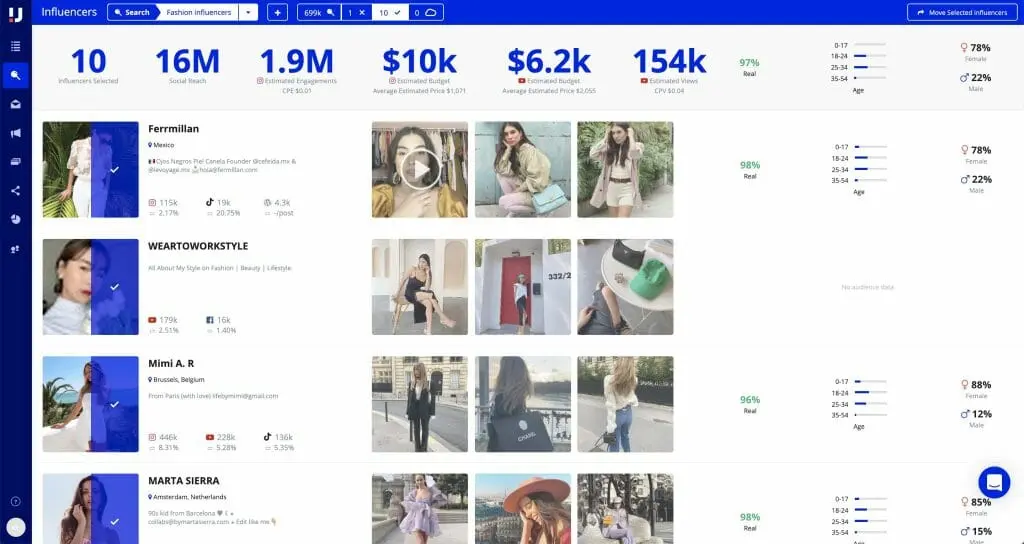
Boasting one of the largest databases with over 4 million influencers, Upfluence is a powerful all-in-one software. It integrates directly with e-commerce platforms like Shopify, making it ideal for sales-driven campaigns.
- Key Features: Advanced search with demographic and psychographic filters, influencer outreach automation, campaign management, and unique sales attribution tracking.
- Pricing: Starts at a few hundred dollars/month; custom plans available.
- Best For: E-commerce brands and performance-focused agencies looking to directly link influencer content to revenue.
3. Traackr
A platform built on the pillars of Discovery, Analytics, and Relationship Management. Traackr is known for its superior analytics and focus on influencer relationship health, helping brands invest in the right long-term partners.
- Key Features: Powerful audience authenticity metrics, brand affinity scores, competitive benchmarking, and detailed campaign ROI analysis.
- Pricing: Enterprise-level custom pricing.
- Best For: Large brands and sophisticated agencies that prioritize data-driven strategy and market intelligence.
4. CreatorIQ
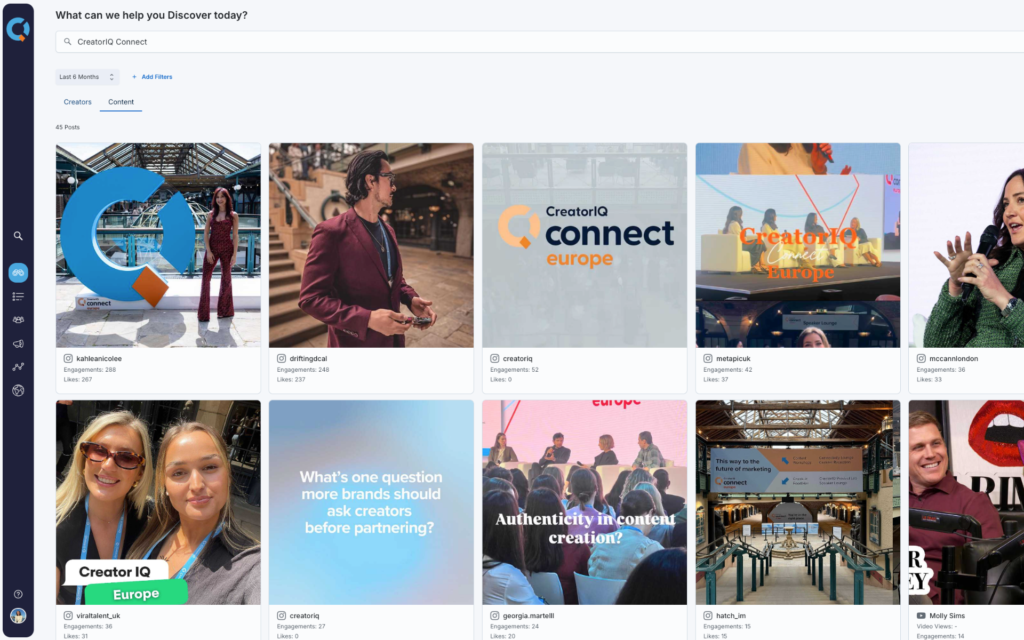
Trusted by major Fortune 500 companies, CreatorIQ is an enterprise-grade platform designed for global campaigns. It offers powerful intelligence and workflow tools to manage complex influencer partnerships at scale.
- Key Features: Advanced AI-driven search, fraud detection, cross-channel performance measurement (including TikTok and YouTube), and privileged partnership integrations with major social platforms.
- Pricing: Custom enterprise pricing.
- Best For: Large global enterprises and agencies managing complex, multi-tiered influencer programs.
5. Grin
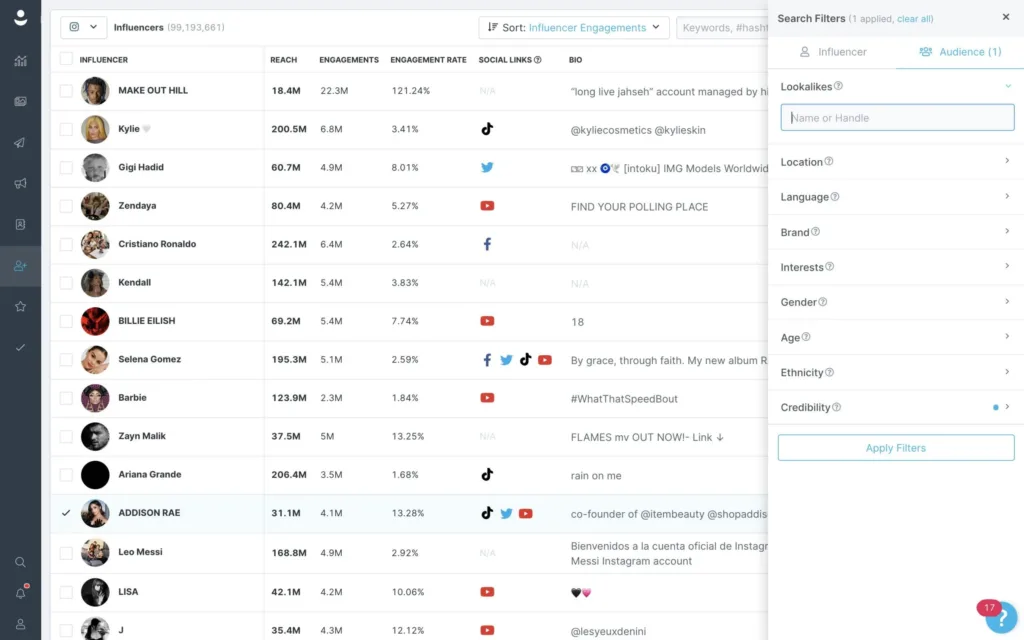
Grin is a popular choice for direct-to-consumer (DTC) brands, deeply integrating with e-commerce systems. It emphasizes authentic creator relationships and streamlines product seeding and affiliate tracking.
- Key Features: Deep e-commerce integrations (Shopify, BigCommerce), product seeding management, affiliate link tracking, user-generated content (UGC) rights management, and centralized payments.
- Pricing: Custom pricing based on brand size and needs.
- Best For: E-commerce and DTC brands aiming to build a community of authentic creators and leverage UGC.
6. Mavrck
Now part of the Lumanu suite, Mavrck combines influencer marketing with advocacy solutions. It’s designed to turn customers, employees, and micro-influencers into brand advocates.
- Key Features: All-in-one influencer and advocacy platform, UGC collection tools, referral and affiliate campaign automation, and detailed performance dashboards.
- Pricing: Custom pricing models.
- Best For: Brands and agencies looking to merge influencer marketing with broader customer and employee advocacy programs.
7. HypeAuditor
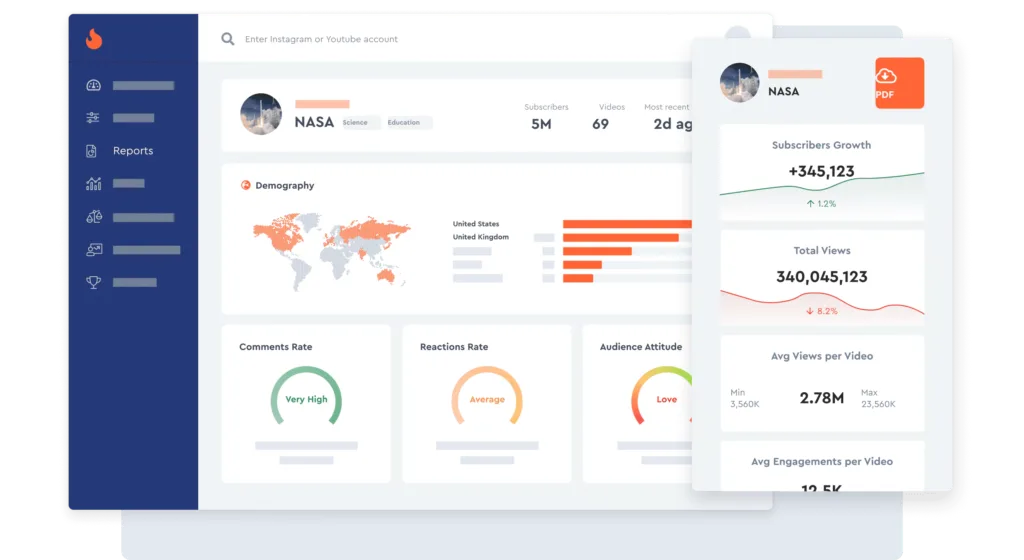
With a strong emphasis on fraud detection and audience quality analytics, HypeAuditor helps brands avoid influencers with fake followers and low engagement. It’s a vital tool for vetting and validation.
- Key Features: Industry-leading AI-powered fraud detection, detailed audience demographic and interest analysis, campaign performance prediction, and market trend reports.
- Pricing: Offers self-service plans starting around $99/month, plus custom enterprise plans.
- Best For: Brands and agencies of all sizes that prioritize authenticity and need rigorous vetting tools before engaging influencers.
8. Klear
Klear focuses on deep social listening and influencer discovery through advanced categorization. It helps brands find not just influencers, but the right experts within specific niches.
- Key Features: Detailed influencer categorization by interest and expertise, brand affinity tracking, campaign management, and competitor analysis.
- Pricing: Custom pricing for brands and agencies.
- Best For: Agencies and brands targeting very specific niches and wanting to understand the influencer landscape in depth.
9. Tagger by Sprout Social
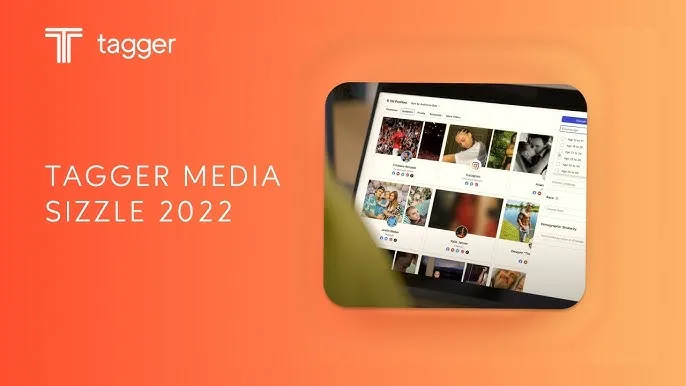
This platform offers end-to-end campaign management with a beautiful, intuitive interface. Tagger provides robust media planning and budgeting tools alongside its discovery and analytics features.
- Key Features: Smart influencer discovery, campaign planning and budgeting suites, detailed sentiment and impact analysis, and automated reporting.
- Pricing: Custom pricing tailored to agency and brand needs.
- Best For: Agencies and brands that want a visually intuitive, all-encompassing platform for strategic planning and execution.
10. Influencity
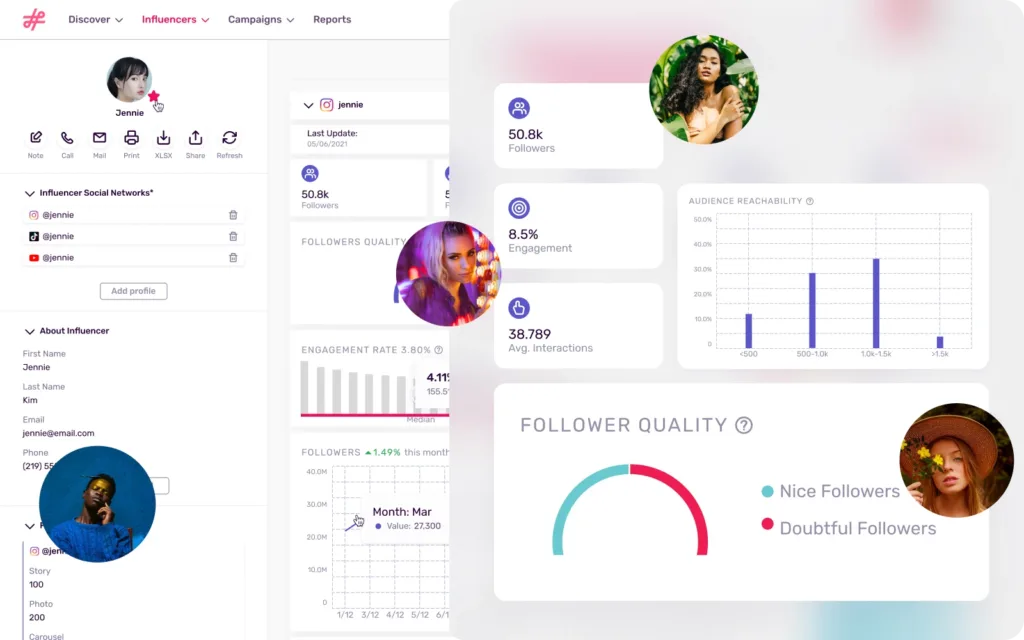
A versatile platform that balances powerful features with accessibility. Influencity provides strong search filters, campaign management, and reporting tools suitable for growing brands.
- Key Features: AI-driven search with predictive performance scores, campaign workflow management, real-time tracking, and customizable reporting.
- Pricing: Offers tiered plans starting from a few hundred dollars per month, making it more accessible for smaller teams.
- Best For: Growing brands and mid-sized agencies seeking a powerful yet cost-effective platform to scale their efforts.
Choosing the Right Influencer Marketing Platform for Your Goals
Selecting the best platform depends on your primary objectives. E-commerce brands should prioritize platforms with strong sales attribution and integration. Large agencies need robust workflow and client reporting tools. For those focused on brand awareness and authenticity, platforms with deep analytics and relationship management are key. Always take advantage of free demos to see which interface and feature set best aligns with your team’s workflow.
Maximizing Your Investment in Influencer Campaigns
Simply having a platform isn’t enough. Success comes from a clear strategy: define your goals (awareness, conversions, UGC), empower the creators you work with, and use the data from your platform to continuously optimize. The right influencer marketing platform provides the tools, but strategic human insight drives the real results for brands and agencies.
Frequently Asked Questions (FAQs)
Q1: What is the main benefit of using an influencer marketing platform over manual outreach?
The main benefit is efficiency and scalability. Platforms automate time-consuming tasks like discovery, vetting, outreach, and payment, while providing centralized communication and crucial performance analytics. This allows brands and agencies to manage more effective and measurable influencer campaigns simultaneously.
Q2: How much do these influencer marketing platforms typically cost?
Pricing varies widely. Some offer entry-level plans starting from a few hundred dollars per month, while enterprise-grade solutions require custom quotes that can run into thousands monthly. Costs typically scale with features, the size of the influencer database accessed, and the number of campaign seats or users.
Q3: Can small businesses benefit from these platforms, or are they only for large agencies?
Absolutely. Many platforms offer tiered pricing, and some are specifically designed with SMBs in mind. The automation, discovery, and professional management tools can give small businesses a competitive edge, allowing them to run strategic influencer campaigns that would be difficult to coordinate manually.
Q4: What should I look for when choosing an influencer marketing platform?
Key factors include: your primary goal (sales vs. awareness), your budget, the social platforms you prioritize (e.g., TikTok, Instagram, YouTube), the need for e-commerce integrations, and the importance of specific features like fraud detection or content rights management. Always request a demo to test the user experience firsthand.
