


The rise of embedded SaaS is transforming how businesses create and deliver digital solutions. Instead of offering standalone applications, more companies are integrating software functionalities directly into their existing platforms.
This approach allows organizations to enhance user experience, streamline operations, and add value without forcing customers to switch between multiple tools.
Embedded SaaS empowers businesses to deliver seamless workflows, improve customer retention, and differentiate themselves in competitive markets. In this article, we’ll explore why embedding software into software is becoming a strategic priority for growing businesses, the key benefits it offers, and how companies are successfully implementing this approach.
Top 5 Reasons Companies Choose Embedded SaaS
In today’s digital landscape, businesses are constantly looking for ways to deliver superior experiences while reducing operational complexity. One of the fastest-growing solutions is embedded SaaS, where software functionalities are integrated directly into existing platforms rather than offered as standalone tools.
This approach is becoming a strategic priority for organizations aiming to stay ahead of competition while improving efficiency and customer satisfaction. Below are the top reasons why companies are increasingly choosing embedded SaaS solutions:

- Improved User Experience
A seamless user experience is critical in ensuring customer satisfaction and long-term engagement. Embedded SaaS eliminates unnecessary steps by integrating tools within the software users are already familiar with. This reduces the need to toggle between multiple applications, minimizes disruptions, and helps users accomplish tasks more quickly. By keeping everything in one place, companies can ensure users stay focused and productive. - Higher Engagement
When users don’t have to leave a platform to access additional features, they are more likely to engage with the product consistently. Embedded functionalities like dashboards, analytics, or communication tools encourage users to spend more time within the platform, improving adoption rates and fostering deeper relationships. Higher engagement also leads to better customer retention, which is crucial in a subscription-driven market. - Faster Time-to-Market
Developing new software from scratch is resource-intensive and can delay go-to-market efforts. Embedded SaaS solutions allow companies to quickly integrate additional functionalities using APIs and modular components, dramatically reducing development timelines. Faster deployment means companies can respond to customer feedback and market demands with agility, staying ahead of competitors. - Data-Driven Insights
Embedded tools offer real-time access to customer behavior and usage patterns, allowing businesses to gather insights without additional infrastructure. These insights help product teams understand how users interact with the software, enabling more personalized recommendations, smarter decision-making, and continuous improvement of the platform’s features. - Increased Revenue Streams
With embedded SaaS, businesses can offer new services and capabilities without the overhead of launching entirely separate products. This opens up new monetization opportunities—such as premium features, advanced analytics, or integrations—allowing organizations to diversify revenue streams and strengthen customer relationships without significant investments.
These advantages demonstrate that embedded SaaS is far more than a technical trend—it’s a strategic solution that enables companies to innovate faster, enhance user satisfaction, and scale effectively. For businesses looking to thrive in an increasingly connected world, embedded SaaS offers the tools they need to deliver value while staying efficient and customer-centric.
Key Features of Embedded SaaS That Drive Adoption
Embedded SaaS solutions are gaining traction because they offer businesses a highly flexible and scalable way to enhance their products without the burden of complex infrastructure or expensive standalone applications. Below are some of the core features that make embedded SaaS an essential choice for organizations aiming to innovate quickly, remain secure, and maintain operational efficiency.

- Customizable APIs
APIs are at the heart of embedded SaaS, allowing platforms to seamlessly integrate third-party services or internal tools. Customizable APIs ensure interoperability between systems, enabling businesses to add new functionalities without disrupting existing workflows. This flexibility accelerates the development process and empowers teams to adapt quickly to evolving customer requirements.
- Modular Architecture
The modular design of embedded SaaS platforms allows companies to scale or customize their offerings without rebuilding the entire system. Modules can be easily added, removed, or updated depending on user demand or business goals. This approach is especially valuable for startups and fast-growing enterprises, as it minimizes risk while promoting experimentation and iteration.
- Security and Compliance
Handling sensitive customer data requires strict compliance with industry regulations such as GDPR, HIPAA, or CCPA. Embedded SaaS solutions come equipped with built-in security measures, including encryption, data masking, and access controls, ensuring that companies meet legal and ethical standards. By integrating compliance directly into the software, businesses can avoid costly fines and reputational damage while safeguarding customer trust.
- Scalable Infrastructure
Cloud-based frameworks power embedded SaaS, making it easy for businesses to scale their offerings as usage grows. Whether it’s a handful of users or millions, scalable infrastructure ensures that performance remains stable without requiring significant investments in hardware or maintenance. This makes embedded SaaS a cost-effective solution for both small businesses and enterprises looking to expand globally.
- Personalization and Custom Workflows
Modern embedded SaaS platforms also support personalized experiences and tailored workflows. By leveraging customer data and behavior patterns, platforms can automatically adjust functionalities, recommend relevant tools, or trigger specific actions to enhance the user journey. This not only improves satisfaction but also creates a more efficient experience for both customers and internal teams.
- Real-Time Analytics and Reporting
Embedded SaaS platforms provide instant access to actionable insights. Users can track performance metrics, engagement rates, and operational trends without needing to export data to external tools. These analytics help businesses make informed decisions in real time, fine-tune processes, and anticipate customer needs before they arise.
Real-World Examples of Embedded SaaS Transformations
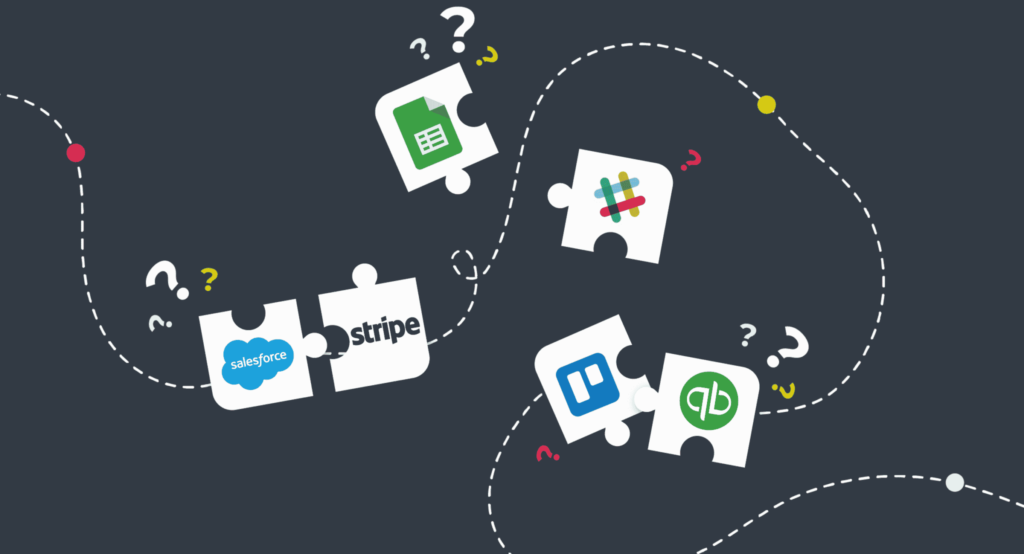
As more companies look to streamline workflows and enhance user experiences, embedded SaaS has become a go-to strategy. By integrating powerful tools directly into existing platforms, businesses can offer seamless solutions without forcing users to switch between multiple apps. Below are some of the most compelling examples of how leading companies are leveraging embedded SaaS to transform their offerings:
1. Slack’s App Integrations
Slack has become a central hub for team communication by embedding integrations with hundreds of popular tools such as Google Drive, Zoom, Salesforce, and Asana. These integrations allow users to access documents, schedule meetings, track tasks, and share files—all without leaving the Slack interface.
By embedding these tools, Slack reduces the need for context-switching, enabling teams to stay focused and more productive. This approach also simplifies onboarding, as users can connect their favorite apps instantly.
2. Shopify’s Embedded Checkout Tools
Shopify empowers e-commerce businesses by embedding payment gateways, order tracking, and analytics dashboards directly within its platform. Merchants can manage their sales, inventory, and customer data from a unified interface, improving operational efficiency.
Embedded checkout tools reduce friction during the purchase process, resulting in higher conversion rates and a smoother customer experience. By integrating essential services into its core platform, Shopify helps small and large businesses alike scale their operations without technical complexity.
3. HubSpot’s Marketing Automation Tools
HubSpot’s platform integrates email marketing, lead nurturing, CRM, and reporting tools into one cohesive system. These embedded functionalities allow businesses to automate workflows, segment audiences, and track campaign performance without toggling between separate solutions.
For sales and marketing teams, this integration improves coordination and accelerates response times, while users benefit from a consistent and personalized experience.
4. Atlassian’s Development Tools
Atlassian’s products like Jira and Confluence embed project management and collaboration tools into software development workflows. Teams can track issues, document processes, and share resources without having to rely on external tools or manual reporting. These embedded solutions increase transparency, accountability, and alignment across distributed teams, helping organizations meet deadlines and deliver higher-quality products.
These real-world examples clearly show how embedded SaaS is helping companies enhance productivity, improve user experience, and accelerate growth. By integrating essential tools into existing platforms, organizations can offer more value while keeping processes streamlined and user-friendly.

