


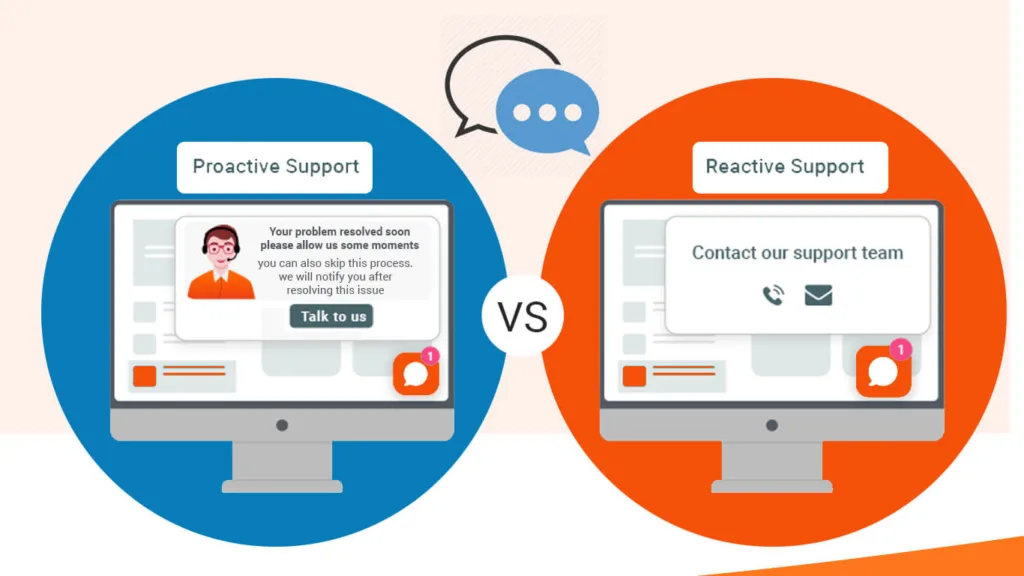
Proactive vs reactive support in SaaS is a critical consideration for companies aiming to improve user experience and customer satisfaction. As SaaS businesses grow, customer support strategies directly impact subscription retention, brand reputation, and long-term revenue.
Proactive support focuses on anticipating user needs, preventing issues before they arise, and offering solutions ahead of time, while reactive support responds to problems as they occur.
Both methods have their advantages, depending on the product, customer expectations, and industry context.
This article explores how proactive and reactive approaches differ, the benefits and challenges of each, and which method may offer a competitive edge in enhancing user satisfaction and driving sustainable growth.
What Is Proactive vs Reactive Support in SaaS?
Proactive vs reactive support in SaaS refers to two distinct approaches companies use to assist their customers. Proactive support is centered around anticipating customer needs and addressing potential issues before users even ask for help.
This may include sending automated alerts, sharing tutorials, or offering onboarding assistance to ensure a smooth experience. For example, a project management SaaS platform might send usage tips when a user signs up or flag inactive accounts to re-engage customers.
Reactive support, on the other hand, focuses on responding to customer requests or issues after they arise. This approach relies on support tickets, live chat, or email where users initiate contact when they encounter a problem. A classic example is a CRM tool’s help desk team solving login errors or feature-related questions only when customers reach out.
While both methods aim to improve user satisfaction and product adoption, the key difference lies in timing and intent. Proactive support prevents friction and builds trust by anticipating user challenges, whereas reactive support resolves issues as they occur.
SaaS companies often blend both approaches depending on customer segments, product complexity, and available resources to ensure high-quality service and long-term customer relationships.
Benefits of Proactive Support for SaaS Customer Experience
By anticipating user needs and addressing potential issues before they arise, companies can build stronger relationships, increase product adoption, and boost long-term revenue. Below are some of the most important benefits that proactive support brings to the customer experience.

1. Reducing Customer Churn
Churn is one of the biggest challenges SaaS companies face, as losing customers directly impacts recurring revenue. Proactive support helps combat churn by identifying early signs of dissatisfaction—such as a lack of usage or confusion about features—and offering solutions before customers decide to cancel their subscriptions. By staying one step ahead, companies not only solve problems but also demonstrate care and reliability, which reassures users and encourages them to stay with the service.
2. Improving Response Times
When customers face issues, waiting for help can lead to frustration and abandonment. Proactive support tools, like automated notifications or usage reminders, address common concerns without customers needing to reach out. This decreases wait times and improves the perception of responsiveness. Customers feel valued and confident that the service understands their needs, even before they ask for assistance.
3. Enhancing Product Adoption
Many users abandon or underutilize software simply because they are unsure how to use it effectively. Proactive support guides customers by offering tutorials, feature highlights, or personalized onboarding tips. This empowers users to explore the product confidently and use it to its full potential, increasing satisfaction and reducing support requests.
4. Building Customer Loyalty
Trust and loyalty are earned through thoughtful interactions. Proactive support strengthens customer relationships by showing users that the company is invested in their success. Regular check-ins, timely tips, and personalized assistance create a sense of partnership, making customers more likely to renew their subscriptions, refer others, and actively participate in feedback or community forums. Over time, this loyalty transforms into sustained growth for the business.
Key Differences Between Proactive and Reactive Support
Understanding the distinctions between proactive and reactive support helps SaaS companies tailor their customer service strategies to meet user expectations effectively. Below are the key differences that set these two approaches apart:

1. Timing of Engagement with Users
Proactive support reaches out to customers before they encounter issues. It uses analytics to predict potential problems and sends alerts, tips, or onboarding guidance early. In contrast, reactive support only responds after users report a problem, making it more dependent on customer-initiated interactions.
2. Tools and Systems Used (Automation vs. Ticketing)
Proactive support relies heavily on automation tools like customer behavior tracking, chatbots, and in-app messaging. These tools allow companies to engage with users at scale. Reactive support, however, depends on ticketing systems, help desks, and live chat platforms where users seek assistance after facing issues.
3. Impact on Customer Satisfaction
Proactive support anticipates user needs, leading to a smoother experience, fewer frustrations, and higher satisfaction. Reactive support, while solving problems, can sometimes feel slower or transactional, depending on wait times and support availability.
4. Resource Allocation and Cost Considerations
Proactive support requires investment in data analysis, AI-driven tools, and personalized outreach strategies. It may initially cost more but reduces the volume of incoming support requests. Reactive support is simpler but may require more manpower to address issues as they arise.
5. Relationship-Building and Brand Perception
Proactive engagement fosters trust, as users feel cared for before they encounter pain points. Reactive support, while necessary, often reinforces a problem-solving mindset rather than long-term partnership-building.
These contrasts highlight why proactive vs reactive support in SaaS requires thoughtful implementation based on product complexity and customer expectations.
Challenges of Implementing Proactive Support in SaaS
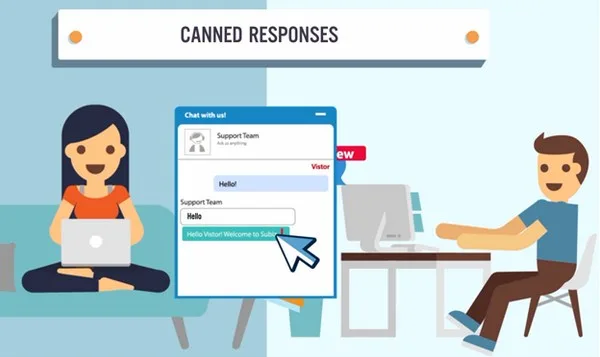
While proactive support offers significant benefits, implementing it effectively comes with challenges that SaaS companies must navigate carefully.
- Data Management
Proactive support relies on gathering and analyzing large volumes of customer data to predict behaviors and potential issues. Without proper data governance, segmentation, and analytics tools, companies risk sending irrelevant or inaccurate recommendations, which can frustrate users.
- Scalability
As the user base grows, offering personalized, proactive support to each customer becomes increasingly complex. Automating interactions while maintaining a human touch requires a delicate balance, and scaling without losing quality is a common hurdle.
- Balancing Personalization
Customers appreciate tailored support, but overly frequent or generic messages can overwhelm them. SaaS companies need to strike a balance between helpful insights and intrusive notifications to maintain user trust.
- Predicting User Behavior
Not all users follow predictable patterns. Making accurate recommendations or identifying potential issues before they occur depends on advanced algorithms, machine learning, and constant feedback loops. Incorrect predictions can lead to missed opportunities or unnecessary interventions.
Despite these challenges, companies that invest in data-driven strategies, scalable tools, and thoughtful communication frameworks can harness proactive support to enhance customer experience and long-term engagement.

