


A CRM system helps businesses manage customer relationships, organize sales activities, improve communication, and make better decisions using accurate customer data. Whether a company serves ten customers or thousands, keeping track of conversations, enquiries, purchases, follow-ups, and support requests can quickly become difficult without a centralized platform.
Many small businesses initially manage customer information through spreadsheets, email inboxes, notebooks, and messaging applications. These methods may work when the company is new, but they become inefficient as the number of customers and employees increases. Important information can be forgotten, sales opportunities may be missed, and customers may receive inconsistent service.
Customer relationship management software brings this information together in one place. It gives sales, marketing, customer service, and management teams a shared view of each customer. This allows businesses to communicate more effectively, follow up at the right time, and build stronger long-term relationships.
Table of Contents
What Is a CRM System?
A CRM system is a software platform that helps businesses store and manage information about customers, leads, prospects, and sales activities.
CRM stands for customer relationship management. The software records important information such as:
- Customer names and contact details
- Previous conversations
- Enquiries and support requests
- Sales opportunities
- Purchase history
- Scheduled meetings
- Follow-up reminders
- Marketing interactions
- Customer preferences
Instead of keeping this information across several disconnected tools, businesses can access it through a single platform.
Modern CRM software may also include sales automation, email marketing, analytics, customer support, lead scoring, forecasting, and reporting features.
Why Every Business Needs a CRM System?
Every business depends on customers. A company may have excellent products or competitive prices, but it can still lose sales if customer communication is slow, disorganized, or inconsistent.
A CRM system creates a structured process for managing customer relationships. It helps employees understand who contacted the business, what they need, when they were last contacted, and what action should happen next.
This visibility is valuable for businesses of every size. Small companies can avoid losing important enquiries, while larger organizations can coordinate customer activities across multiple employees, departments, and locations.
1. Centralizes Customer Information
One of the main benefits of customer relationship management software is that it creates a centralized customer database.
Without a CRM platform, customer information may be stored in personal email accounts, spreadsheets, mobile phones, handwritten notes, or separate applications. Employees may not know where to find the latest information, especially when another team member is absent.
A CRM system keeps customer details, communication records, sales activity, and support history together. Authorized employees can quickly access the information they need without repeatedly asking customers the same questions.
Centralized data also reduces duplication. When an employee updates a customer’s phone number, address, company information, or sales status, the updated details become available to other relevant users.
2. Improves Lead Management
Businesses often spend money on advertising, content marketing, social media, networking, and search engine optimization to generate leads. However, those efforts provide limited value when leads are not properly managed.
CRM for business helps companies capture enquiries from different sources and move them through a defined sales process.
A CRM platform can record:
- Where the lead came from
- Which product or service they want
- Who is responsible for contacting them
- When the last conversation occurred
- What stage they have reached
- When the next follow-up is required
This structure prevents leads from being ignored or forgotten. Sales managers can also identify which leads require immediate attention and which marketing channels generate the most valuable opportunities.
3. Strengthens Customer Relationships
Customers expect businesses to understand their needs and previous interactions. They do not want to repeat the same information every time they speak with a different employee.
A CRM system gives employees access to a customer’s communication and transaction history. Before making a call or replying to an email, the employee can review previous discussions, purchases, complaints, and preferences.
This allows the business to provide more relevant and personalized service.
For example, a sales representative may notice that a customer regularly purchases a specific product. The representative can inform the customer about related products, new features, or upcoming offers.
Personalized communication makes customers feel valued and can improve loyalty, repeat purchases, and long-term retention.
4. Automates Repetitive Sales Tasks
Sales employees often spend significant time completing administrative work instead of speaking with potential customers.
They may manually enter contact details, send similar emails, schedule reminders, update sales stages, and prepare reports. These repetitive tasks reduce the time available for selling and relationship-building.
Customer relationship management software can automate many of these activities.
Depending on the platform, businesses may automate:
- Follow-up reminders
- Welcome emails
- Lead assignment
- Sales-stage updates
- Meeting scheduling
- Quote creation
- Task notifications
- Customer onboarding messages
Automation helps businesses maintain consistent processes and reduces the possibility of important tasks being missed.
5. Improves Sales Team Productivity
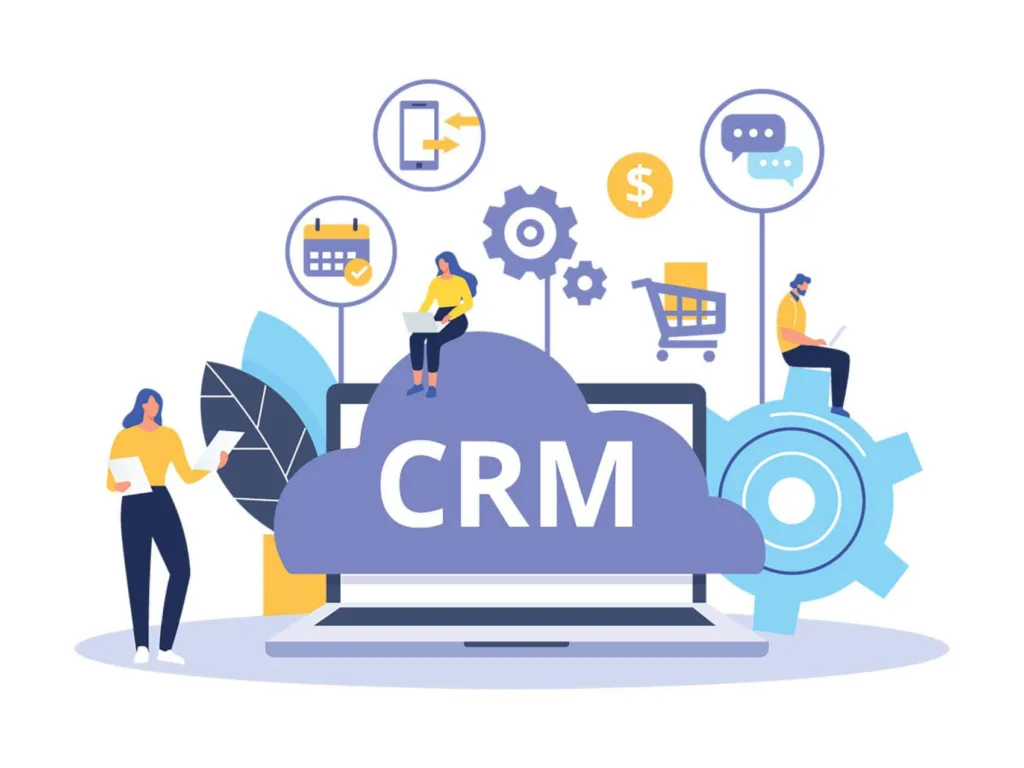
A CRM system gives sales employees a clear view of their daily responsibilities.
Instead of checking several spreadsheets and email threads, they can access their leads, meetings, follow-ups, tasks, and opportunities through one dashboard.
Sales representatives can prioritize leads according to urgency, potential value, or likelihood of conversion. Managers can monitor activity without constantly asking employees for updates.
CRM for business also helps new sales employees understand existing accounts. They can review previous communication and continue the relationship without starting from the beginning.
This is especially important when an employee leaves the organization. Customer information remains with the business instead of disappearing with the employee.
6. Supports Better Customer Service
CRM software is not only useful for sales teams. Customer service teams can also use it to manage questions, complaints, returns, and support requests.
When a customer contacts the company, employees can review the complete relationship history. They can see previous purchases, earlier problems, open requests, and recent communication.
This helps support teams provide faster and more informed answers.
Some CRM platforms allow businesses to create support tickets, assign cases to employees, set response deadlines, and track whether issues have been resolved.
Better organization can reduce response times and prevent customer problems from being overlooked.
7. Creates More Effective Marketing Campaigns
Marketing campaigns are more successful when they target the right customers with relevant messages.
A CRM system can organize contacts according to characteristics such as:
- Location
- Industry
- Purchase history
- Customer type
- Product interest
- Lead source
- Previous campaign activity
Businesses can use these segments to send more personalized marketing messages.
For example, a company can promote a product upgrade only to customers who use the older version. It can also send re-engagement campaigns to customers who have not purchased recently.
CRM data helps marketing teams understand which campaigns generate enquiries, conversions, and revenue. This allows businesses to reduce ineffective spending and focus on successful channels.
8. Provides Accurate Sales Forecasts
Business owners need reliable information to plan inventory, staffing, marketing budgets, and financial targets.
A CRM platform records the value and status of sales opportunities. Managers can review how many deals are in each stage, their expected closing dates, and their probability of success.
This information supports more accurate sales forecasting.
Although forecasts are never completely certain, they are more useful when based on current sales data rather than assumptions. Businesses can identify whether the sales pipeline is strong enough to meet future targets and take action when performance is below expectations.
9. Improves Team Collaboration
Sales, marketing, and customer service teams often work with the same customers. Without a shared system, information may not move smoothly between departments.
Marketing may continue promoting a product to someone who has already purchased it. A sales representative may contact a customer without knowing that they recently submitted a complaint. Customer service may not know what promises were made during the sales process.
A CRM system improves collaboration by giving different teams access to relevant customer information.
Employees can add notes, assign tasks, update records, and monitor activities. Everyone works from the same data, which reduces confusion and creates a more consistent customer experience.
10. Helps Businesses Retain Customers
Acquiring new customers is important, but businesses also need to maintain relationships with existing customers.
CRM for business can help identify customers who have not purchased recently, subscriptions that are close to renewal, or accounts showing reduced engagement.
Employees can use this information to contact customers before the relationship is lost.
A CRM platform can also schedule renewal reminders, satisfaction surveys, loyalty offers, and follow-up messages. These activities can improve retention and create opportunities for repeat sales.
11. Supports Data-Driven Decisions
Business decisions are more effective when they are based on reliable data.
CRM reports can help owners and managers understand:
- Lead conversion rates
- Sales performance
- Average deal value
- Customer acquisition sources
- Sales cycle length
- Customer retention
- Employee activity
- Revenue forecasts
These insights help businesses identify successful strategies and operational weaknesses.
For example, a company may discover that leads from search engines convert better than leads from social media. It can then adjust its marketing budget accordingly.
12. Supports Business Growth
Manual customer management becomes more difficult as a company grows. More customers create more conversations, records, tasks, sales opportunities, and support requests.
A scalable CRM system helps businesses manage this growth without losing control of customer relationships.
Companies can add users, create new sales pipelines, connect marketing tools, and introduce additional automation as their requirements change.
A well-organized CRM platform also provides consistent processes. This makes it easier to train employees, expand into new locations, and maintain service quality across a growing organization.
How to Choose the Right CRM for Business?
Businesses should choose customer relationship management software according to their actual needs rather than selecting the platform with the most features.
Important factors to consider include:
- Ease of use
- Required sales and marketing features
- Automation capabilities
- Reporting tools
- Mobile access
- Integration options
- Data security
- Customer support
- Scalability
- Total cost
Small businesses may prefer a simple cloud-based CRM with contact management and sales tracking. Larger organizations may require advanced automation, custom workflows, analytics, and multiple department integrations.
Employees should be involved in the selection process because they will use the platform every day.
Common CRM Implementation Mistakes
A CRM system will not provide meaningful results if employees do not use it correctly.
Common mistakes include choosing overly complicated software, importing inaccurate customer data, failing to train employees, and creating unclear sales processes.
Businesses should define their goals before implementation. They should also clean existing data, assign responsibilities, test workflows, and provide role-specific training.
It is better to begin with essential features and gradually introduce advanced tools. This approach makes adoption easier and reduces confusion.
Conclusion
Every business needs an organized way to manage customer relationships, sales opportunities, communication, and service requests.
A CRM system centralizes customer information, improves lead management, automates repetitive activities, strengthens collaboration, and supports better decision-making. It also helps companies deliver more personalized experiences and maintain long-term customer relationships.
The value of CRM for business increases as the organization grows. By choosing appropriate customer relationship management software and training employees properly, companies can improve productivity, increase sales, and build a stronger foundation for sustainable growth.
Frequently Asked Questions
1. What is the main purpose of a CRM system?
The main purpose of a CRM system is to help businesses manage customer information, communication, sales opportunities, marketing activities, and support requests through one centralized platform.
2. Do small businesses need CRM software?
Yes. Small businesses can use CRM software to organize customer details, track enquiries, schedule follow-ups, and prevent sales opportunities from being forgotten. Many cloud-based CRM platforms are designed specifically for small teams.
3. How does CRM software increase sales?
CRM software increases sales by improving lead tracking, automating follow-ups, organizing sales pipelines, and helping employees prioritize valuable opportunities. It also provides data that can improve sales strategies.
4. What should a business consider when choosing a CRM?
A business should consider ease of use, required features, automation, integrations, reporting, mobile access, security, scalability, vendor support, and total cost before selecting a CRM platform.
