


Web hosting for beginners can feel like a daunting and technical maze, but it is the essential first step to establishing a presence online. For anyone looking to build their first website, blog, or small online store, choosing the right hosting provider is crucial. It lays the foundation for your site’s performance, security, and future growth.
The best web hosting for beginners in 2026 isn’t necessarily the most powerful or expensive option; it’s the one that offers a perfect blend of simplicity, reliable support, and room to grow, all at an affordable price point. This guide cuts through the complexity to present the top 10 providers that make getting online straightforward for newcomers.
Key Considerations for Your First Web Host
Before diving into the list, it’s important to understand what makes a hosting service “beginner-friendly.” The ideal provider excels in a few key areas:
- Ease of Use: A custom control panel or the popular cPanel that is intuitive and easy to navigate.
- Customer Support: 24/7 access to knowledgeable and responsive support via live chat or phone.
- Value: A competitive price that includes essential features like a free domain, SSL certificate, and email accounts.
- Scalability: Clear upgrade paths so your hosting can grow alongside your website.
2026 Web Hosting Comparison: At-a-Glance
| Provider | Best For… | Notable 2026 Innovation | Starting Price (Est.) | Support Type |
| Bluehost | WordPress Beginners | AI-Guided Site Onboarding | $2.95/mo | 24/7 Phone & Chat |
| Hostinger | Budget & Speed | Proprietary hPanel + AI Builder | $1.99/mo | 24/7 Chat |
| SiteGround | Reliability & Safety | Google Cloud Infrastructure | $3.99/mo | 24/7 VIP Chat |
| DreamHost | Long-term Testing | 97-Day Money-Back Guarantee | $2.59/mo | 24/7 Chat & Ticket |
| A2 Hosting | Page Load Speed | Turbo Server (20x Faster) | $2.99/mo | 24/7 “Guru” Support |
| IONOS | 1-on-1 Help | Personal Support Consultant | $1.00/mo | Personal Call |
| GreenGeeks | Sustainability | 300% Renewable Energy Match | $2.95/mo | 24/7 Chat |
| GoDaddy | All-in-One Ease | Deep Domain/Builder Integration | $5.99/mo | 24/7 Phone |
| HostGator | Growing Content | Unmetered Storage/Bandwidth | $3.75/mo | 24/7 Phone & Chat |
| ScalaHosting | Managed Control | Free SPanel (cPanel Alternative) | $2.50/mo | 24/7 Expert Chat |
The Top 10 Web Hosting for Beginners in 2026

After extensive research and analysis of current market trends, here are the 10 best web hosting for beginners options for the year ahead.
1. Bluehost
Bluehost remains the gold standard for those starting with WordPress. Their 2026 updates include an AI-guided onboarding process that helps you design your site as you set up your hosting.
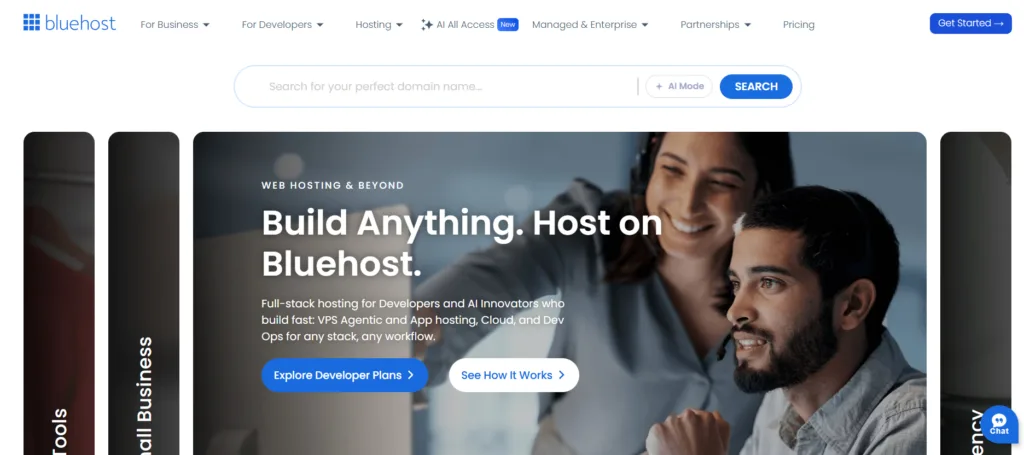
Ideal For: Bloggers and small business owners.
Top Perk: Official WordPress recommendation and a free domain for the first year.
2. Hostinger
Hostinger has perfected the balance of high performance and low cost. Their proprietary hPanel is arguably the most user-friendly interface in the industry.
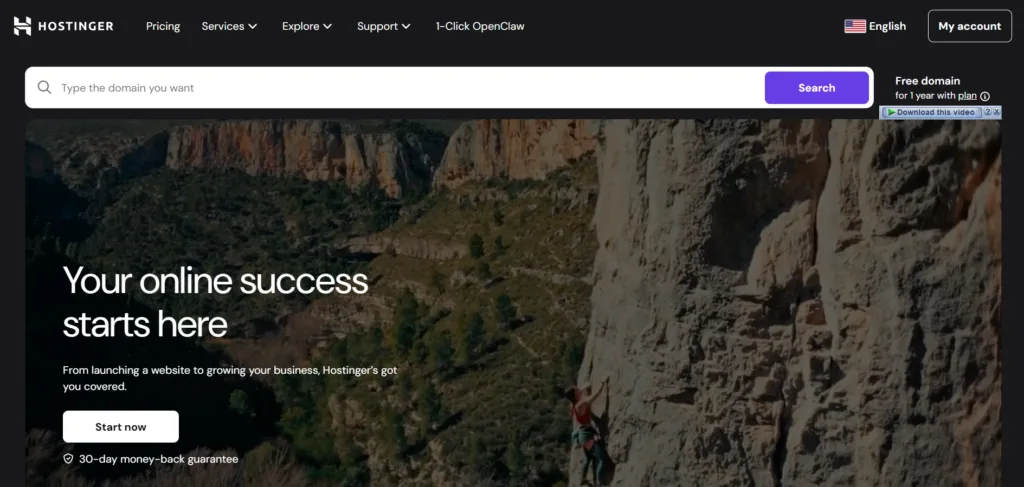
Ideal For: Students and those testing new project ideas.
Top Perk: Incredible loading speeds and some of the lowest introductory rates globally.
3. SiteGround
If you’re nervous about the technical side, SiteGround is worth the slightly higher price. Their support team is legendary for solving issues in minutes.
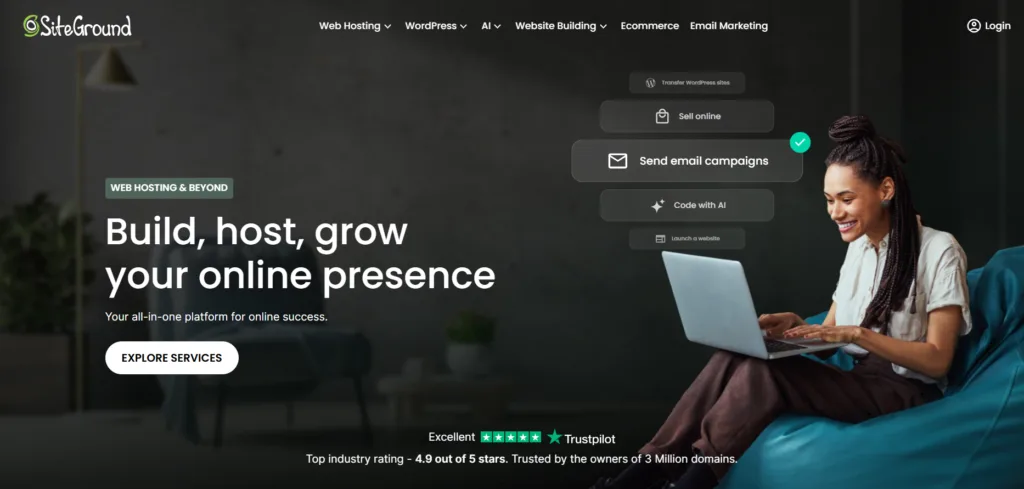
Ideal For: Small businesses that can’t afford downtime.
Top Perk: High-tier security and unique “speed-boosting” caching tools included for free.
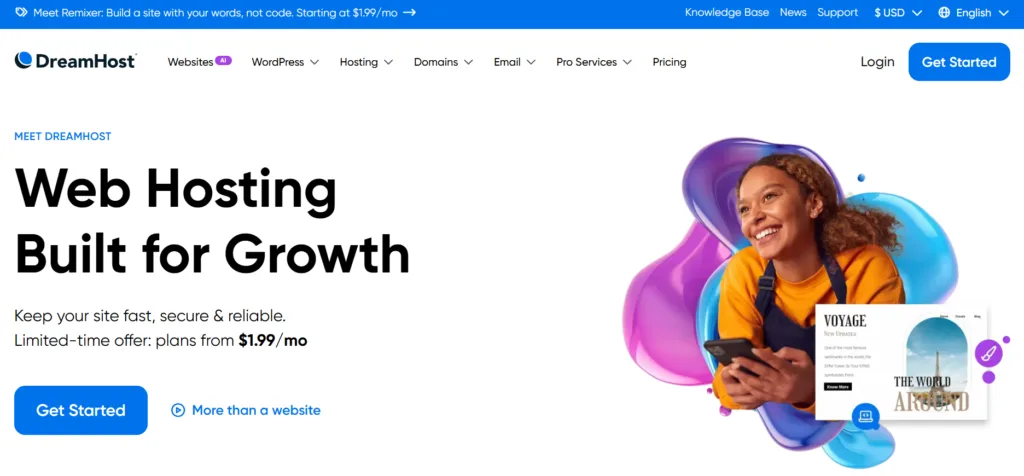
4. DreamHost
DreamHost stands out with a 97-day money-back guarantee. This allows beginners to experiment for three full months with zero financial risk.
Ideal For: Creative professionals and non-techies.
Top Perk: They manage all the technical updates for you, so your site stays secure automatically.
5. A2 Hosting
A2 Hosting’s “Turbo” servers are optimized for 2026’s speed-first web. Faster sites rank better on Google, making this a strategic choice for growth.
Ideal For: High-traffic blogs and photography portfolios.
Top Perk: “Anytime” money-back guarantee—a unique safety net in the hosting world.
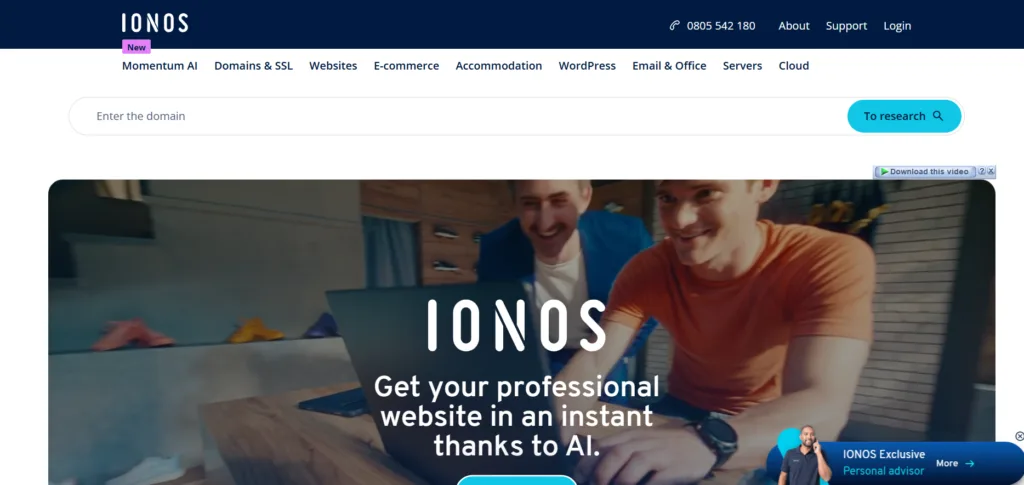
6. IONOS (by 1&1)
IONOS is unique because it assigns you a Personal Consultant at no extra cost. Having a direct point of contact makes the initial setup much less intimidating.
Ideal For: First-time entrepreneurs who want a human to talk to.
Top Perk: Ultra-low $1 introductory offers for the first year.
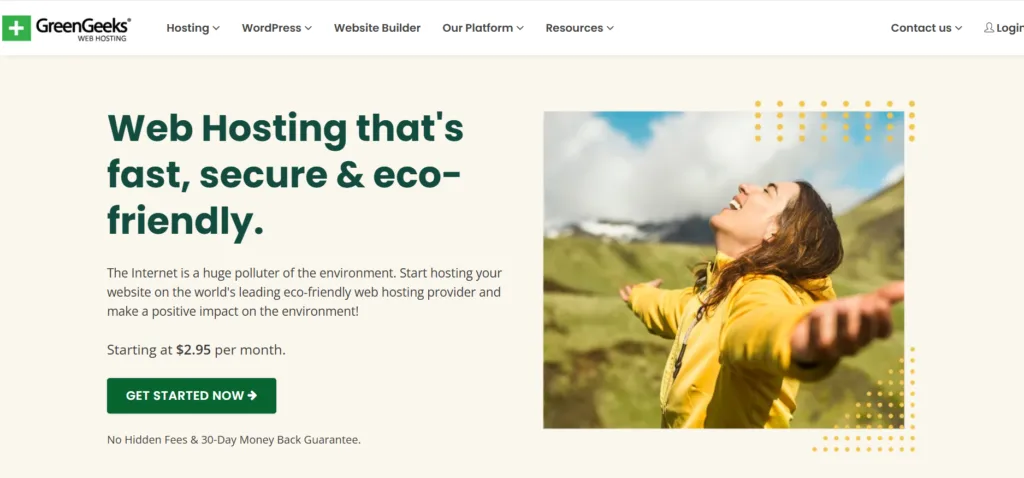
7. GreenGeeks
Establish your brand with a clear conscience. GreenGeeks matches 300% of the energy they consume with renewable energy credits.
Ideal For: Non-profits and eco-conscious brands.
Top Perk: Eco-friendly hosting that doesn’t sacrifice speed or security.
8. GoDaddy
GoDaddy excels at making the transition from “buying a domain” to “having a website” seamless. Their integrated website builder is perfect for those who don’t want to touch code.
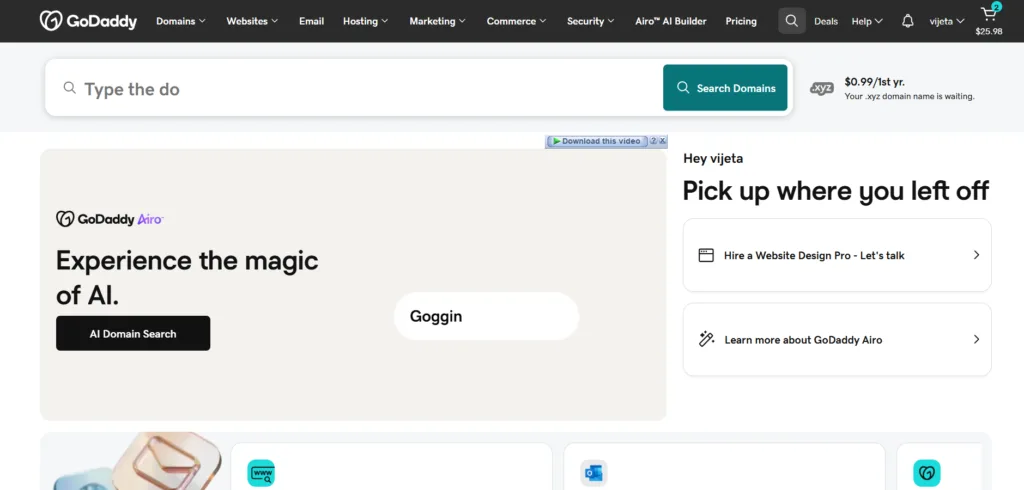
Ideal For: Local service businesses (plumbers, cafes, etc.).
Top Perk: 24/7 phone support and a massive library of “how-to” videos.
9. HostGator
Known for its “Hatchling” plans, HostGator allows beginners to start small and scale to massive “unmetered” plans without switching providers.
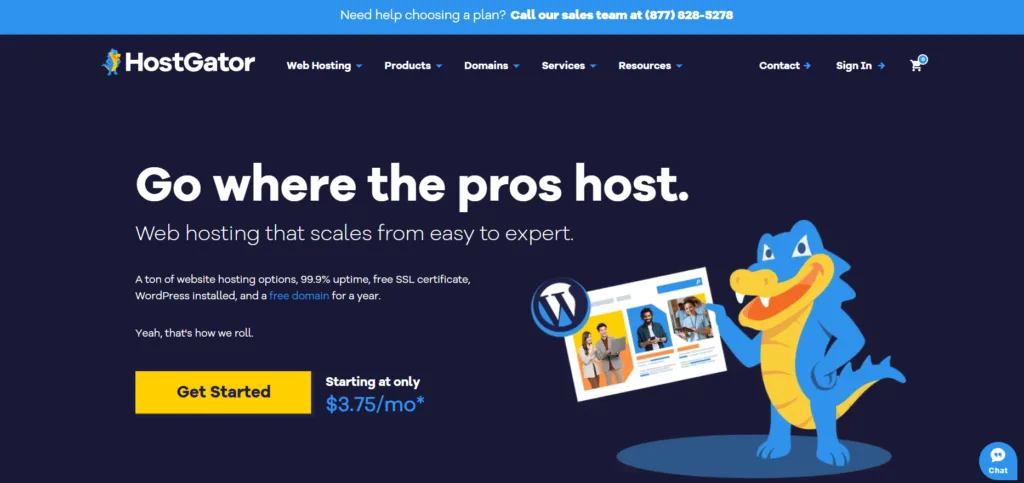
Ideal For: Growing startups and multimedia-heavy sites.
Top Perk: Reliable 99.9% uptime and easy-to-use drag-and-drop builders.
10. ScalaHosting
ScalaHosting’s SPanel is a breath of fresh air, providing a faster and more secure alternative to traditional control panels.
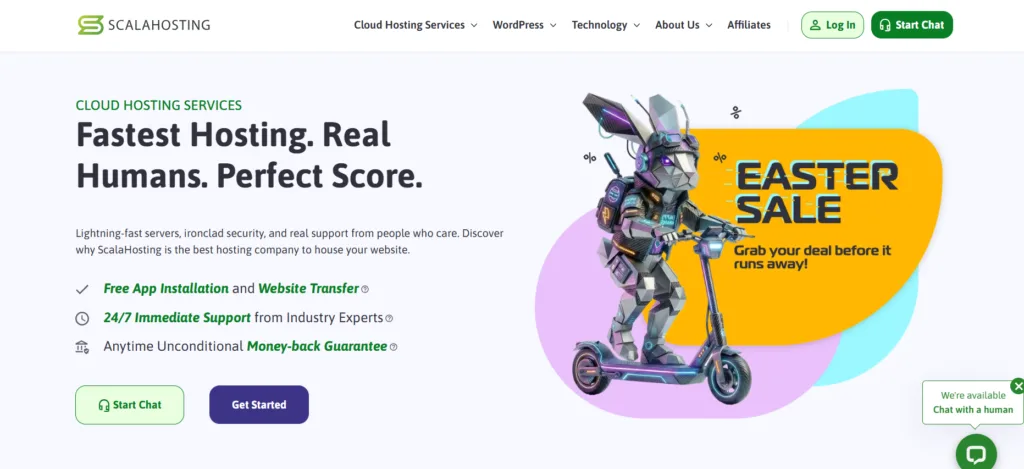
Ideal For: Tech-curious beginners who want more control.
Top Perk: Managed VPS features at shared hosting prices.
Common Mistakes to Avoid When Choosing Your First Host
- Ignoring Renewal Rates: Most hosts offer a low “introductory” price that jumps after the first year. Always check the renewal cost!
- Skipping Backups: Ensure your host offers automated backups so you can “undo” any mistakes you make while learning.
- Buying Too Much Power: Beginners rarely need “Dedicated” or “Enterprise” plans. Start with Shared Hosting and upgrade as your traffic grows.
- Final Verdict: Which One Should You Choose?
- If you want ease of use, go with Bluehost or Hostinger.
- If you want peace of mind, go with IONOS or SiteGround.
- If you want speed, go with A2 Hosting.
- The most important step is simply to begin. All ten of these providers offer the tools and support needed to turn your digital idea into a reality in 2026.
Getting Started with Your First Hosting Plan
The journey of a thousand miles begins with a single step, and in the digital world, that step is selecting a hosting provider. The providers listed above have consistently proven their dedication to making that first step as smooth as possible for beginners. By prioritizing ease of use, strong support, and clear value, they remove the technical barriers that often prevent great ideas from coming to life online. Your choice should ultimately align with your specific budget, the type of site you want to build, and the level of hand-holding you think you’ll need.
Frequently Asked Questions (FAQs)
1. What is the biggest mistake beginners make when choosing web hosting?
The most common mistake is opting for the absolute cheapest plan without considering the renewal rates. Many providers offer low introductory prices that jump significantly after the initial term. Beginners should also over-prioritize unlimited resources they’ll never use, instead of focusing on reliable support and user-friendly tools.
2. Do I need to know how to code to use these web hosting services?
No, not at all. All the providers on this list offer one-click installers for content management systems (CMS) like WordPress, which allows you to build a professional website using drag-and-drop editors and pre-designed templates without writing a single line of code.
3. Can I switch hosting providers later if I outgrow my first plan?
Yes, absolutely. All reputable hosting companies offer migration services (sometimes for a fee, sometimes for free) to help you move your website from your old host to their service. This means you can start with a beginner-friendly option and seamlessly upgrade to a more powerful host or plan as your traffic and needs grow.
4. What is the difference between shared hosting and other types?
Shared hosting is the most common and affordable type for beginners. It means your website shares a server and resources (like RAM and CPU) with other websites. It’s like living in an apartment building. As your site grows, you can move to VPS (Virtual Private Server) or dedicated hosting, which are like owning a townhouse or a single-family home, giving you more dedicated resources and control.
